Leave Your Message
Brazil is undergoing an unprecedented shift toward sustainable mobility. As Latin America's largest economy, the country is witnessing a massive surge in electric vehicle (EV) adoption, driven by rising fuel costs, aggressive corporate decarbonization targets, and supportive municipal policies in major urban centers like São Paulo, Rio de Janeiro, Curitiba, and Belo Horizonte. With the expansion of the EV fleet, the demand for high-quality, resilient EV battery chargers and charging infrastructure has reached critical levels.
Unlike other mature EV markets, the Brazilian market presents a unique blend of opportunities and challenges. The country relies heavily on road transport for logistics, making fleet electrification a primary driver for industrial-grade charging infrastructure. E-commerce platforms, delivery networks, and public transport operators are actively transitioning to electric fleets. However, implementing these systems requires chargers that can withstand Brazil's diverse tropical climates, fluctuating grid conditions, and localized installation requirements.
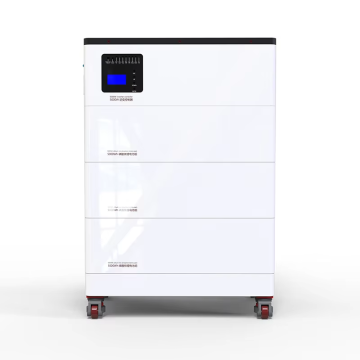
Brazil stands as a global leader in renewable energy, particularly in distributed solar generation. The integration of photovoltaic (PV) solar panels, energy storage systems (ESS), and smart EV battery chargers is a rapidly growing trend. By using solar-plus-storage EV charging stations, commercial businesses and residential complexes in Brazil can drastically lower their operational costs while bypassing grid capacity limitations.
The deployment of EV charging stations in Brazil is categorized into three primary application scenarios:
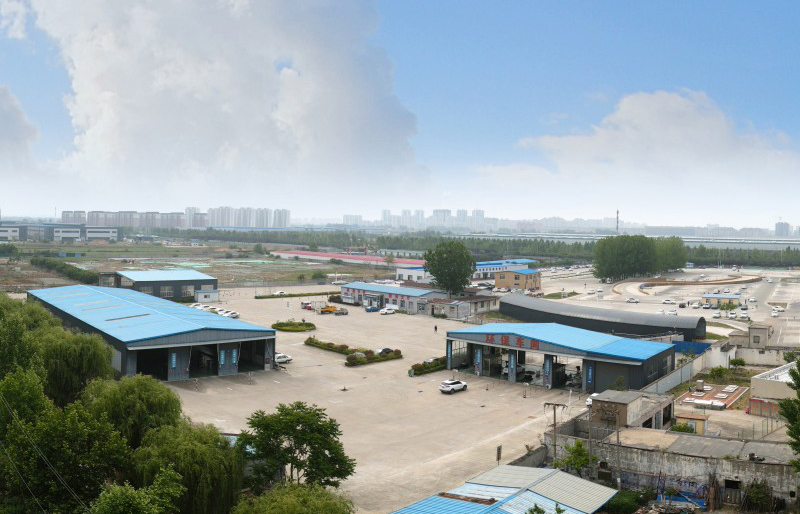




Engineered with military-grade materials, our IP55/IP65-certified charging stations deliver unmatched performance in temperatures ranging from -35°C to 75°C, with reinforced waterproof and dustproof capabilities.
This resilience is highly critical for Brazil's coastal cities (combating high humidity and salinity) as well as the hot, arid northern regions.
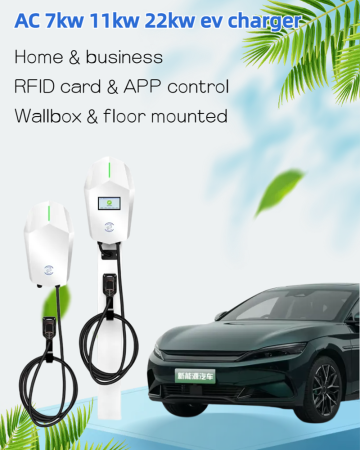
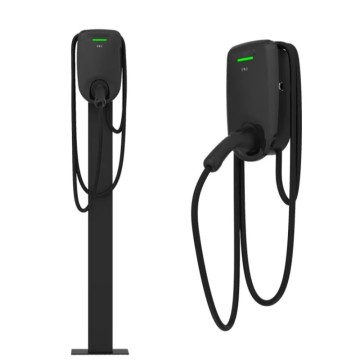
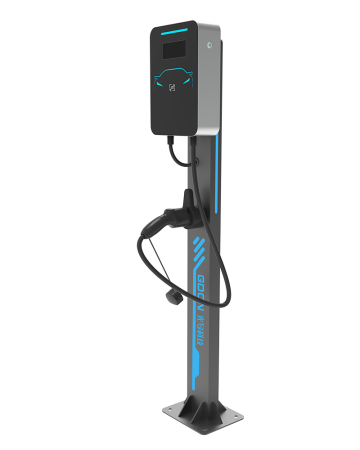
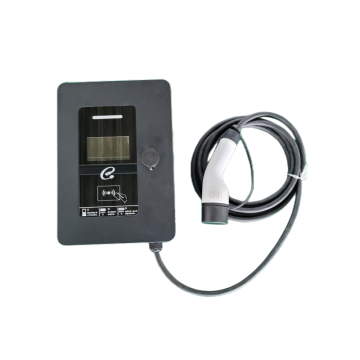
Modular designs support wall-mounted, floor-standing, and portable configurations, adaptable to diverse scenarios:
Proprietary OCPP 2.0-compliant systems enable:
Designed to cater to both overnight slow charging and rapid on-the-go replenishment:
With over 30 years of manufacturing excellence, our solutions power sustainable mobility across 45+ countries, from Iceland's Arctic conditions to Saudi Arabia's desert climates. Strategic partnerships with European grid operators and APAC infrastructure developers ensure localized compliance with IEC/CE/UL certifications.
As we expand our presence in the Brazilian market, we continue to establish partnerships with local distributors, grid operators (Concessionárias de Energia), and commercial real estate developers. Our compliance framework ensures our systems integrate smoothly with Brazil’s electrical standards and local grid codes.

98.6% field reliability rate verified by 2023 TÜV audit, ensuring maximum uptime for charging networks.
24-month warranty + lifetime technical support provided by our dedicated engineering team.
Tailored branding, color schemes, and software customization for local Brazilian B2B clients and network operators.
Carbon-neutral manufacturing processes aligning with global ESG standards and corporate sustainability goals.
The EV charger industry in Brazil is transitioning from a niche market to a critical utility sector. Several regulatory and technological trends are shaping the future of EV battery charger manufacturers and distributors operating in the country:
The Brazilian Association of Technical Standards (ABNT) is actively updating safety and performance guidelines for EV supply equipment (EVSE). Compliance with international standards such as IEC 61851 and IEC 62196 is mandatory, and local certifications (including Inmetro and ANATEL for communication modules) are becoming standard requirements. Importers and local assemblers must work with factories that understand these regulatory landscapes to ensure seamless customs clearance and legal operation.
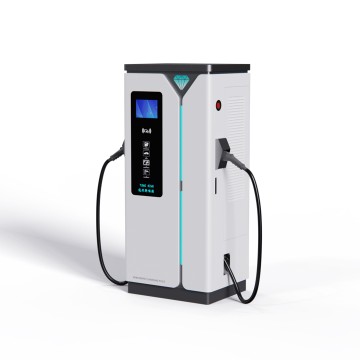
While home charging (AC) remains dominant for individual car owners, commercial operators are shifting their focus to DC fast chargers. Fleet operators running electric buses in São Paulo or delivery vans in Rio de Janeiro cannot afford long charging windows. High-power DC chargers (ranging from 60kW to 180kW and above) are essential to charge vehicles during driver shifts or overnight cycles. Tongxing’s 180kW DC fast chargers, featuring dual-plug configurations and intelligent power sharing, are perfectly aligned with this commercial demand.
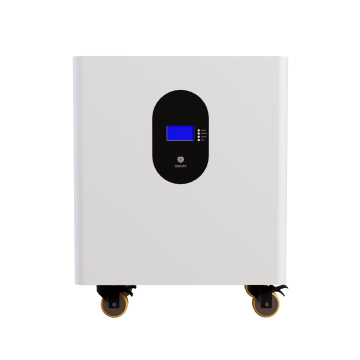
Due to high commercial electricity tariffs in Brazil during peak hours, businesses are increasingly deploying solar microgrids. Under the current Brazilian regulatory framework for Distributed Generation, solar energy generated on-site can offset grid consumption. EV chargers integrated with energy storage batteries (such as LiFePO4 packs) allow commercial operators to charge vehicles using stored solar energy, avoiding peak-hour demand charges and ensuring business continuity even during local grid outages.
To build a unified charging network, interoperability is key. Brazilian network operators (CPOs) require hardware that supports OCPP 1.6J or OCPP 2.0.1 protocols. This allows them to connect chargers from different manufacturers to a single management platform, handle real-time billing, monitor charger health, and implement smart charging algorithms. Tongxing's full-stack software capability ensures compatibility with all major global and local Brazilian CPO platforms.