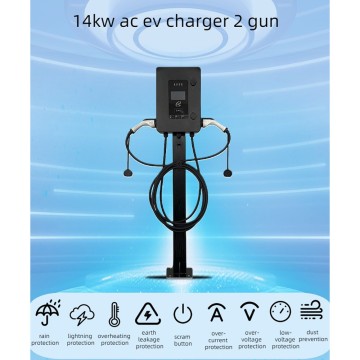
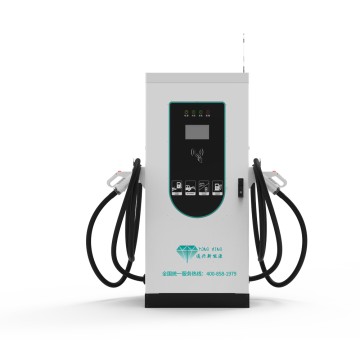
Leave Your Message
Engineered for resilience and optimized for grid integration, these systems represent the cutting edge of industrial and commercial charging hardware.
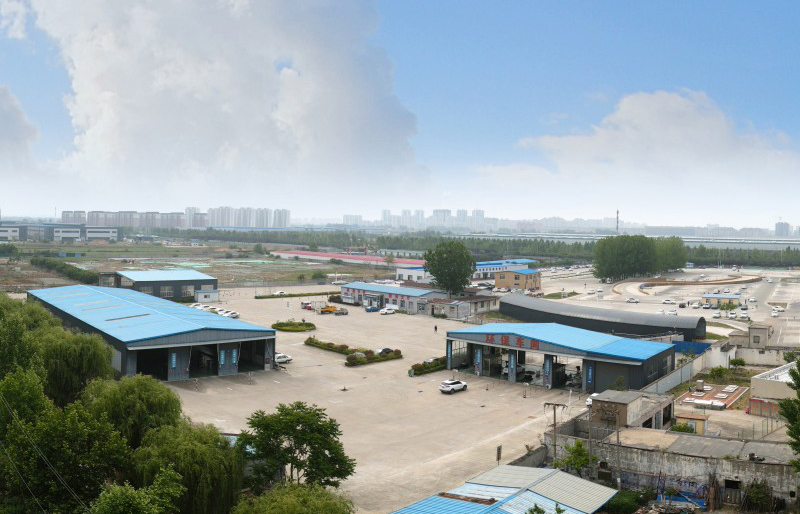
As a certified national high-tech enterprise with 23 years of expertise in the energy sector, Tongxing specializes in R&D, production, and global distribution of innovative EV charging systems. Our comprehensive product portfolio spans from 3.5KW residential chargers to industrial-grade 720KW ultra-fast charging stations, complemented by integrated photovoltaic (PV) and energy storage solutions.
By leveraging our extensive manufacturing capacity, Tongxing is uniquely positioned to supply the Sri Lankan market with robust, high-efficiency charging systems designed to handle local grid dynamics and tropical environmental conditions. We collaborate with local distributors, municipal developers, and energy enterprises to deploy future-proof charging infrastructure.
Sri Lanka's automotive and energy sectors are undergoing a significant transition. Driven by global shifts toward carbon neutrality and local economic factors, the demand for electric vehicles (EVs) has experienced a steady upward trajectory. In recent years, fluctuations in imported fossil fuel supplies have highlighted the strategic importance of energy self-reliance. For Sri Lanka, electrifying the domestic transport sector—ranging from passenger cars to public buses and the iconic three-wheelers (tuk-tuks)—is no longer just an environmental initiative; it is an economic priority.
As the adoption of electric vehicles increases in major urban centers like Colombo, Kandy, Galle, and Negombo, the lack of a comprehensive charging infrastructure remains the primary bottleneck. This gap has created an urgent demand for reliable, high-performance car charger factories and manufacturers capable of supplying hardware that matches the country's unique operating conditions. Establishing a stable network of public, commercial, and residential charging stations is essential to eliminate range anxiety and build consumer confidence in electric mobility.
The industrial and commercial sectors in Sri Lanka are positioning themselves to capitalize on the EV revolution. Large logistics hubs, manufacturing zones near Colombo Port, and export-oriented apparel factories are actively evaluating the electrification of their delivery fleets. To support these operations, commercial charging depots equipped with high-capacity DC fast chargers are required. These industrial setups demand robust hardware that can deliver continuous high power without degradation, ensuring minimal vehicle downtime.
Furthermore, real estate developers and property management firms are standardizing EV charging provisions in new residential condominiums and commercial office complexes. Having a smart, metered charging station installed in residential garages is becoming a key selling point for premium properties. As a result, global manufacturers are partnering with local electrical engineering companies to distribute certified AC wallboxes and DC fast chargers that comply with local grid regulations.
The Sri Lankan government, in coordination with the Ceylon Electricity Board (CEB) and the Lanka Electricity Company (LECO), is working to establish standardized guidelines for EV charging stations. These policies aim to govern electricity tariffs for EV charging, ensure safety standards, and manage the impact of high-power charging on the national grid. Because the grid can experience voltage instability and peak-load stress, the integration of smart charging features is critical. Car charger manufacturers must supply equipment that supports dynamic load management to protect localized grid infrastructure from overloading.
Our state-of-the-art production facilities and engineering expertise ensure that every charger delivered to Sri Lanka meets the highest global standards of quality and efficiency.




Sourcing EV chargers for Sri Lanka requires hardware that can withstand harsh tropical climates. Sri Lanka experiences high relative humidity, intense seasonal monsoon rains, elevated ambient temperatures, and corrosive salt-laden air in coastal cities like Colombo and Galle. Standard indoor-rated chargers are highly susceptible to moisture ingress, internal condensation, and thermal throttling under these conditions. To prevent premature component failure, charging stations must feature high IP (Ingress Protection) ratings, robust anti-corrosion coatings, and advanced thermal dissipation paths.
Tongxing's product lineup is engineered to meet these environmental demands. Our IP55 and IP65-certified charging stations utilize military-grade materials and double-layer cabinet designs to isolate sensitive electronics from moisture and salt spray. Furthermore, our advanced cooling systems ensure continuous operation at full rated capacity even in ambient temperatures up to 75°C, preventing thermal shutdowns and ensuring reliable public service.
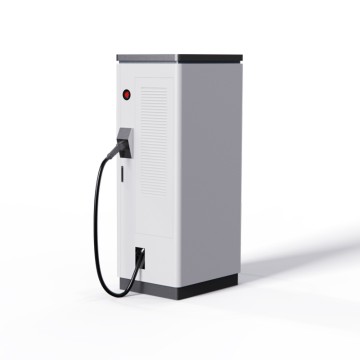
The integration of electric vehicles into Sri Lanka's national grid requires intelligent energy management. As high-power DC chargers (60kW to 240kW and above) become more common, their sudden load demands can cause voltage fluctuations on local distribution lines. To mitigate this risk, Tongxing integrates Dynamic Load Balancing (DLB) capabilities into our chargers. This system allows the charger to monitor the real-time electrical load of the property and dynamically adjust the charging current supplied to the vehicle. By preventing peak demand spikes, DLB protects the building's electrical infrastructure and supports the stability of the local utility grid.
Additionally, our chargers support integration with solar photovoltaic (PV) systems and battery energy storage systems (BESS). Given Sri Lanka's abundant solar resource, combining EV charging with solar generation is an ideal pathway to achieve true zero-emission mobility. Our OCPP-compliant software allows operators to prioritize solar energy for vehicle charging, reducing dependence on the grid and lowering operational costs.
Engineered for extreme performance, flexibility, and intelligence to support diverse commercial, residential, and industrial applications.
Deploying EV charging hardware in Sri Lanka requires a deep understanding of local urban planning, commercial habits, and transport networks. Different environments require specific charging configurations to maximize utility and return on investment.
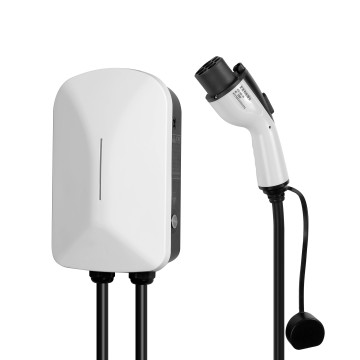
In high-density residential areas of Colombo, such as luxury high-rises and multi-family apartments, parking space is at a premium. For these locations, compact, wall-mounted AC chargers (7kW to 22kW) are the ideal solution. Equipped with RFID access control and mobile app integration, these chargers allow residents to secure their charging points and track energy usage. Property managers can utilize OCPP-based backend software to monitor overall consumption and automatically bill individual tenants, simplifying utility management.
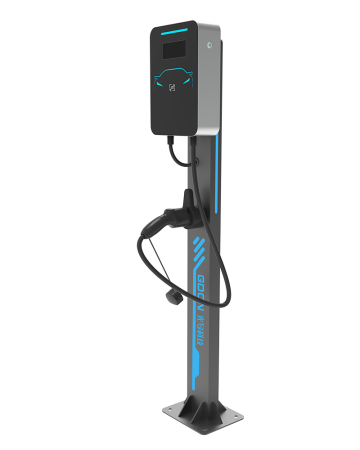
Sri Lanka's tourism sector is increasingly focusing on sustainability. Eco-friendly hotels, boutique villas, and luxury resorts along the southern coast and in the cultural triangle can attract high-value guests by offering destination EV charging. Installing smart AC chargers allows tourists to charge their vehicles overnight. By pairing these chargers with rooftop solar PV installations, resorts can offer carbon-neutral charging, reinforcing their environmental credentials and contributing to Sri Lanka's green tourism goals.
To facilitate long-distance travel across the island, a reliable fast-charging network along major transit routes is essential. The Southern Expressway (E01), connecting Colombo to Galle and Hambantota, is a critical corridor. Placing 120kW to 240kW DC fast charging stations at highway service areas enables drivers to charge their vehicles in under 20 minutes. These multi-standard stations (supporting CCS2 and CHAdeMO) ensure compatibility with various EV models imported into Sri Lanka, making long-distance travel practical.
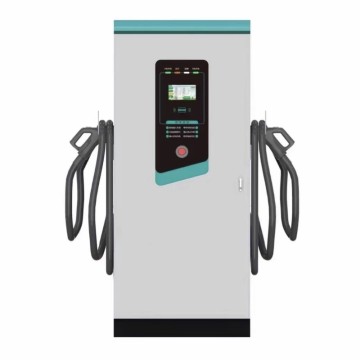
Logistics operators, courier services, and public transit fleets in Colombo are starting to transition to electric vans and three-wheelers to lower operating costs. These commercial fleets require dedicated charging depots that operate on tight schedules. High-power DC chargers with dual-connector outputs allow multiple fleet vehicles to charge simultaneously, ensuring high vehicle availability and optimized depot operations.
With over 30 years of manufacturing excellence, our solutions power sustainable mobility across 45+ countries, from Iceland's Arctic conditions to Saudi Arabia's desert climates. Strategic partnerships with European grid operators and APAC infrastructure developers ensure localized compliance with IEC/CE/UL certifications.
This extensive global experience ensures that our products are fully compliant with international safety and performance standards, making them highly reliable for deployment in Sri Lanka's growing EV infrastructure network. Our engineering team provides comprehensive support to align our systems with local grid codes and installation requirements.

We provide reliable technology, comprehensive support, and flexible manufacturing services to help our partners succeed in the EV charging market.
98.6% field reliability rate verified by a 2023 TÜV audit, ensuring consistent performance.
24-month comprehensive warranty combined with lifetime technical support for peace of mind.
Tailored OEM/ODM and custom branding services designed for our B2B clients and local operators.
Manufactured using carbon-neutral processes, aligning with global environmental standards.
Explore our full line of AC and DC charging systems, designed to support residential, commercial, and public utility deployments across Sri Lanka.