As electric vehicles (EVs) keep getting more popular, it’s no surprise that folks are looking for better, more efficient ways to charge them. I recently came across a report from the International Energy Agency, and it blew my mind — EV sales jumped by 43% in 2020 alone! That just goes to show how much everyone’s craving flexible charging options. 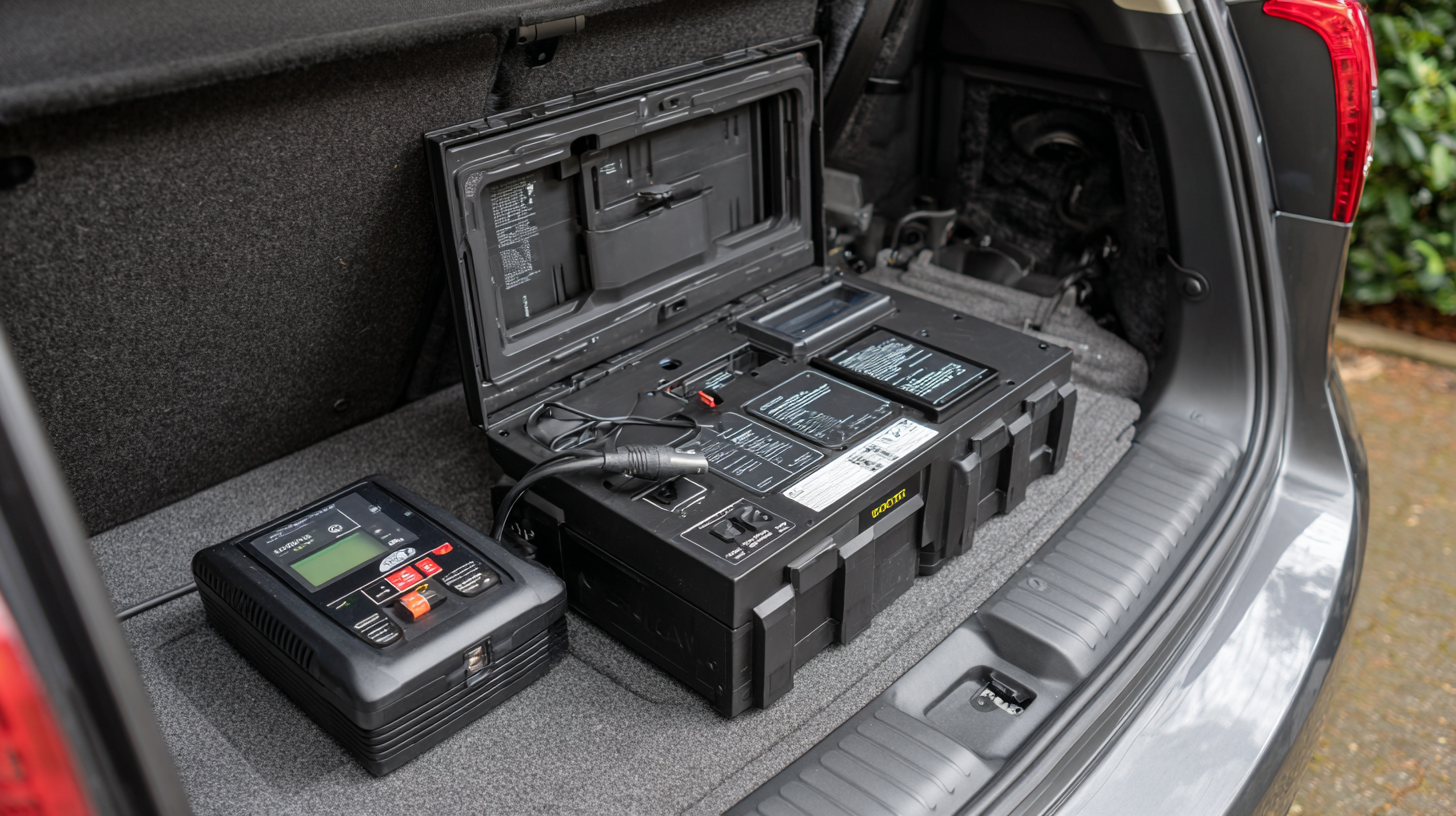 One gadget that really stands out for EV owners, especially those hitting the road or going off the beaten path, is the Car Inverter Charger. Here at TONGXING NEW ENERGY TECHNOLOGY CO., LTD., we totally get how important it is to have cutting-edge charging tech. We have a pretty wide range — from small residential chargers at 3.5kw to huge industrial stations hitting 720kw for ultra-fast charging — all packed with features like photovoltaic (PV) integration and energy storage. Our goal with this guide? To help you figure out which Car Inverter Charger suits your needs best, so you can enjoy a smoother, more reliable EV experience wherever you go.
Key Features to Look for in a Car Inverter Charger
Choosing the right car inverter charger isn’t just about picking any random model — it’s all about finding one that really fits your power needs. First off, you wanna look at how much power it can put out. That’s what tells you how many devices you can charge at once and what kinds of electronics you can safely run. For example, a small inverter with around 300 watts can handle a bunch of gadgets like your laptop and phone without breaking a sweat. But if you’re looking to power bigger stuff, like appliances, you’ll want something with more wattage to get the job done.
Another thing to think about is how many outlets and ports it has. It’s super handy to find one with a mix of AC outlets and USB ports — that way, you can power up all kinds of devices at the same time without fumbling around. Also, don’t forget safety features. Things like over-voltage protection, short-circuit safeguards, and cooling systems aren’t just fancy add-ons — they actually protect your gear and help the inverter last longer.
And of course, size matters, especially if you’re planning to take it on the road. A smaller, more portable model is way easier to store and carry around — perfect for travelers or anyone living the mobile life. With the right inverter in your corner, you’ll never have to worry about staying powered up, no matter where life takes you.
Different Types of Car Inverter Chargers Explained
So, when you're out shopping for a car inverter charger, it's really helpful to know the different types available—especially since automotive tech is evolving so fast these days. Basically, there are two main kinds: modified sine wave and pure sine wave inverters. The modified sine wave ones are usually cheaper and can handle powering a lot of devices, but if you're trying to run sensitive electronics—like your laptop or some fancy gadgets—they might not be the best fit. On the other hand, pure sine wave inverters give you a much steadier power supply, making them perfect for charging those high-end devices or even household appliances on the go.
The market for electric vehicle power inverters worldwide is actually expected to grow a ton. By 2024, it’s projected to hit around 7.38 billion USD, and from 2025 to 2030, the growth rate (that’s CAGR) is expected to be about 18.6%. That’s pretty impressive, right? This surge is mainly because more people are jumping into electric vehicles, and there’s a big need for efficient charging tech. Plus, advancements in charging—like faster charging systems—are super important because they make EVs more practical and convenient, cutting down those annoying long waits. Knowing the ins and outs of these inverter types and their uses can really help folks make smart choices, whether for personal use or business, based on what they actually need.
Ultimate Guide to Choosing the Best Car Inverter Charger for Your Needs
| Type of Inverter Charger | Power Output | Input Voltage | Output Voltage | Best For |
| Pure Sine Wave Inverter | 2000W | 12V | 120V | Sensitive Electronics |
| Modified Sine Wave Inverter | 1500W | 12V | 120V | Appliances without Sensitive Electronic Components |
|
Car Charger Inverter | 1000W | 12V | 120V | Charging Laptops and Smaller Devices |
| Portable Power Station | 500W | Built-in Battery | 110V/220V | Camping and Outdoor Use |
| Inverter with Built-in USB Ports | 1500W | 12V | 120V | Charging Multiple Devices Simultaneously |
Top 5 Brands for Reliable Car Inverter Chargers
When you're on the hunt for a reliable car inverter charger, there are a few brands that really stand out in terms of quality and performance. One name that often pops up is **BESTEK**. People love it for its impressive power output and the fact that it comes with multiple ports—super handy if you're trying to charge a bunch of devices at once. Plus, these inverters are usually pretty compact, so they fit easily in any vehicle without hogging too much space. Anda big bonus: they come with safety features, giving you peace of mind while you're on the road.
Then there's **Krieger**. If you're looking for something rugged and efficient, Krieger's got you covered. Their inverters are built tough and are perfect for heavy-duty jobs—think powering tools or bigger appliances during your trips. They use pure sine wave technology, which makes power delivery super smooth, so they're kinda like the professionals' choice.
And last but not least, **Energizer** offers some pretty cool, compact inverter chargers that are perfect if you're just using them casually. Their lighter models are super convenient for charging your phone, laptop, or small gadgets while you're on the move. Basically, Energizer makes it easy to keep your devices charged without fuss—everything you need for a smooth, on-the-go charging experience.
Essential Tips for Buying a Car Inverter Charger
When you're trying to pick out the best car inverter charger, the first thing you really wanna do is think about what you actually need. Take a look at the gadgets you plan to power — their voltage and wattage needs — because that’s gonna help you find an inverter charger that fits just right. For example, if you're always running multiple devices at once, going for a higher wattage inverter is a smart move. That way, you won’t have to worry about overloading the system or anything like that.
Another thing to keep in mind is safety. Many of the newer inverter chargers come with handy features like overload protection, short circuit prevention, and over-temperature alarms — all super important for keeping your gear and your vehicle safe. Picking a model with built-in fuses or circuit breakers can give you some peace of mind, especially when you’re out and about.
And don’t forget about portability and how easy it is to use the thing. Check out the size and weight, especially if you’re planning to move it around between cars or stash it in tight spots. A smaller, lighter inverter is just way more convenient when you want quick and easy access to power on the go.
Common Mistakes to Avoid When Choosing a Car Inverter Charger
When you're picking out a car inverter charger, a lot of folks tend to overlook some pretty important factors that can actually influence how well it works and how safe it is. One common mistake? Not really paying attention to the power rating. I mean, did you know that, according to Research and Markets, car inverters can be anywhere from 150 watts to over 3000 watts? Big difference, right? If you go for an inverter that's not powerful enough, it could overheat or even damage both the inverter itself and the devices you're trying to charge. So, it's a good idea to add up the total wattage of all your devices you'll be running at the same time, just to be safe.
Another thing a lot of people miss is checking what kind of waveform the inverter produces. Yeah, I get it—modified sine wave inverters are cheaper, so they seem like a good deal. But here’s the catch: they can actually harm sensitive electronics like laptops or medical gadgets. The Electric Power Research Institute points out that pure sine wave inverters deliver cleaner, more stable power, making them a much better choice for delicate stuff. Sure, they cost a bit more upfront, but honestly, they tend to save you money in the long run by avoiding repairs or replacements and preventing that frustrating downtime.
Common Mistakes to Avoid When Choosing a Car Inverter Charger
How to Install and Use Your Car Inverter Charger Safely
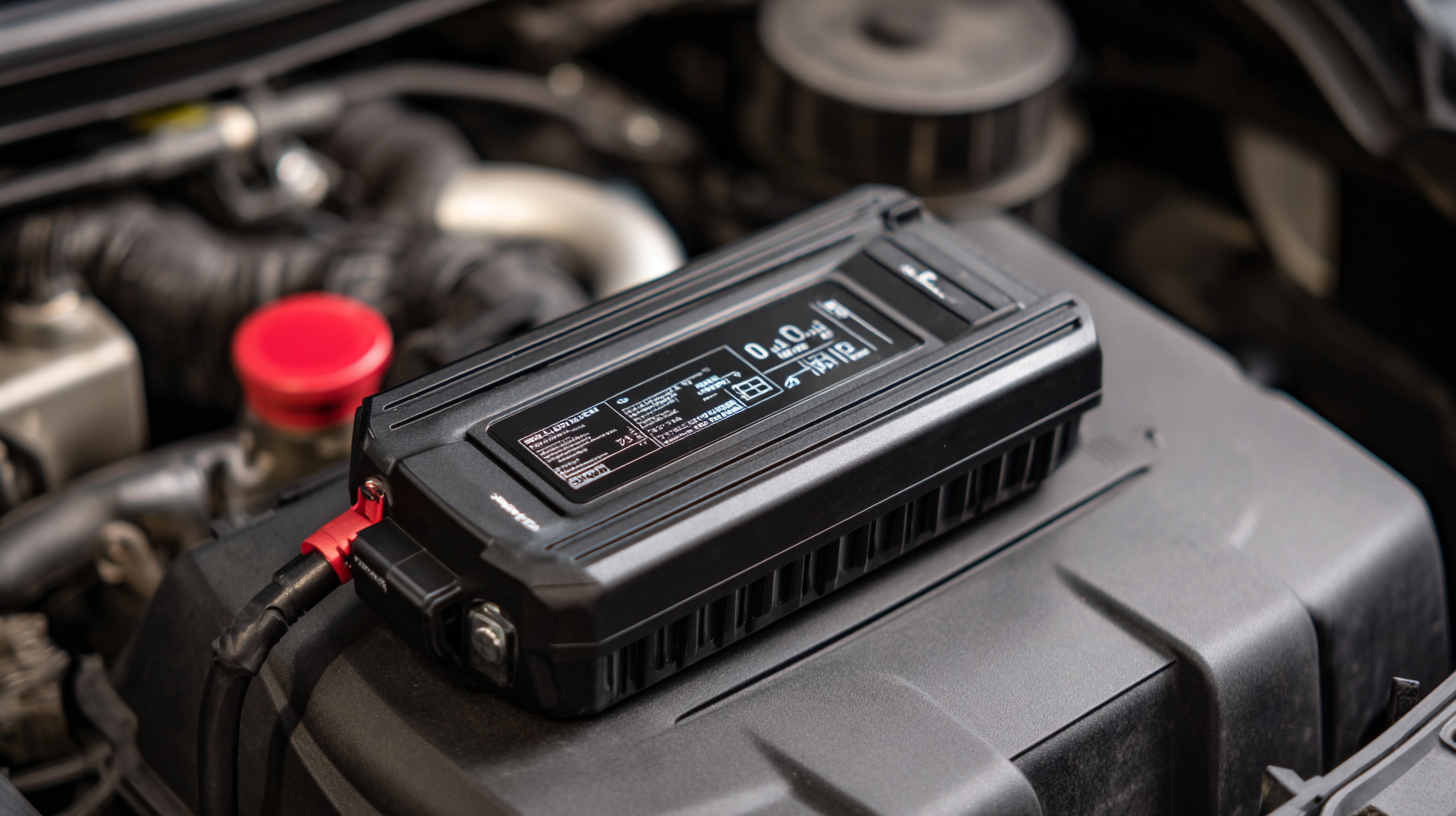
When you're choosing the best car inverter charger, safety should really come first. Making sure you install it properly is key—not only does it help your device run smoothly, but it also cuts down on any risks. First off, pick a good spot inside your vehicle, ideally near the battery, to keep power loss minimal. Just make sure you mount the inverter securely so it doesn’t wiggle around while you're driving. It's super important to follow the manufacturer’s instructions when connecting it to your battery. Using the right size wires and double-checking all the connections can help prevent overheating or electrical problems later on.
Once you’ve got everything set up, it’s good to know how to use your inverter properly so you get the most out of it. Check the wattage of the gadgets you plan to power—just to make sure they’re within what the inverter can handle. Pro tip: plug in one device at a time, especially if you're dealing with multiple gadgets, so you don’t overload the system. Oh, and if you’re into more advanced energy setups, TONGXING NEW ENERGY TECHNOLOGY CO., LTD has a bunch of options—from Home Chargers to industrial-grade solutions. Their systems are pretty modern and easy to integrate with different power sources, giving you reliable energy, whether it's for your car or even bigger projects.
FAQS
: The top brands for reliable car inverter chargers include BESTEK, Krieger, and Energizer. BESTEK is known for its powerful output and multiple ports, while Krieger offers robust build quality and high efficiency. Energizer provides compact models that are great for casual users.
Before buying a car inverter charger, consider the specific devices you intend to power, their voltage and wattage requirements, and look for safety features such as overload and short-circuit protection. Additionally, evaluate the inverter's portability and ease of use.
Look for car inverter chargers with protections against overload, short circuits, and over-temperature. Models with built-in fuses or circuit breakers are ideal for safeguarding your devices and vehicle.
Ensure proper installation by selecting a suitable location near the battery to minimize power loss, securely mounting the inverter, and following the manufacturer's guidelines for connecting it to the battery using appropriate gauge wires.
To maximize benefits, check the wattage requirements of the devices you want to power to ensure they are within the inverter's capacity, and plug in one device at a time to prevent overload.
Yes, TONGXING NEW ENERGY TECHNOLOGY CO., LTD specializes in advanced energy solutions, offering a range of products from residential chargers to industrial-grade options, designed for reliability and seamless integration with various energy sources.
You can charge various devices with a car inverter charger, including phones, laptops, power tools, and larger appliances, depending on the inverter's wattage capacity.
The design of a car inverter charger is important for portability and ease of use. A compact and lightweight design can significantly improve accessibility, especially if you need to move it between vehicles or store it in tight spaces.
Pure sine wave technology in car inverters provides a smooth and consistent power supply, making them ideal for sensitive electronics and heavy-duty use, which is particularly beneficial for professionals who rely on power tools.