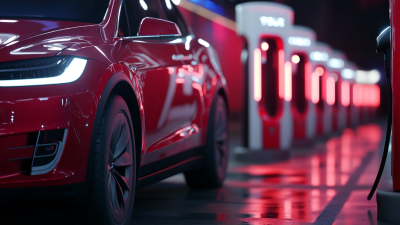
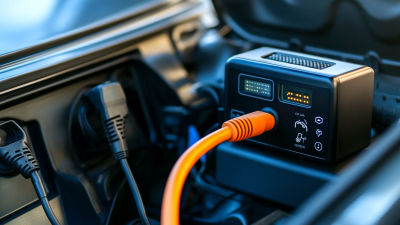
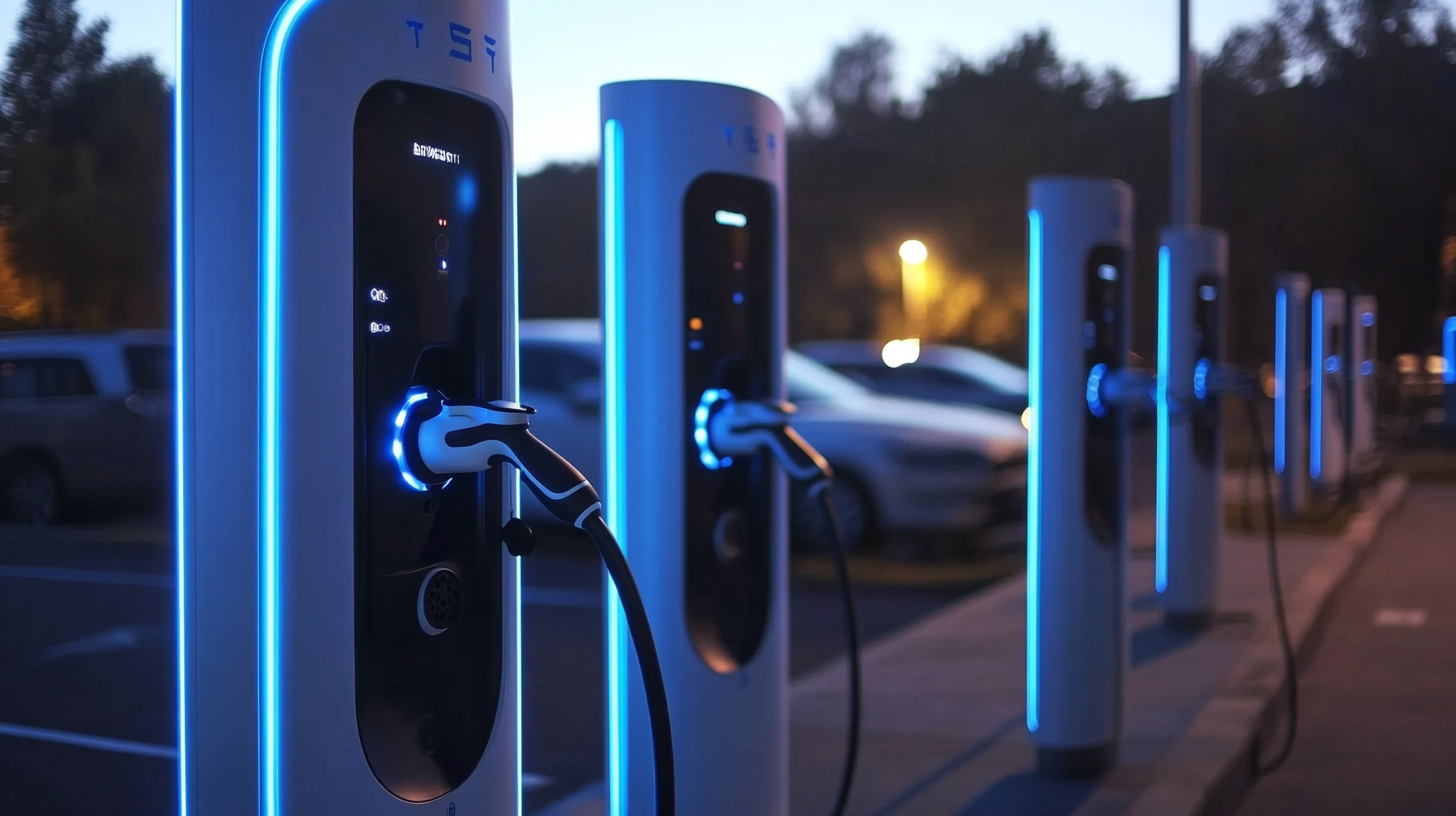
In the rapidly evolving landscape of electric vehicles, Ac Ev Chargers have emerged as a critical component in the transition towards sustainable transportation. With countries around the world striving to reduce carbon emissions and promote cleaner energy, the demand for reliable and efficient charging solutions is higher than ever. TONGXING NEW ENERGY TECHNOLOGY CO., LTD. is proud to contribute to this burgeoning market with our extensive range of products, from 3.5 kW residential chargers to cutting-edge 720 kW industrial-grade ultra-fast charging stations, all enhanced by integrated photovoltaic (PV) and energy storage solutions. As we explore the top 10 examples of the best AC EV chargers for global buyers, it's essential to recognize the importance of quality and innovation in capturing a foothold in the international market, echoing our commitment to forging a sustainable future.
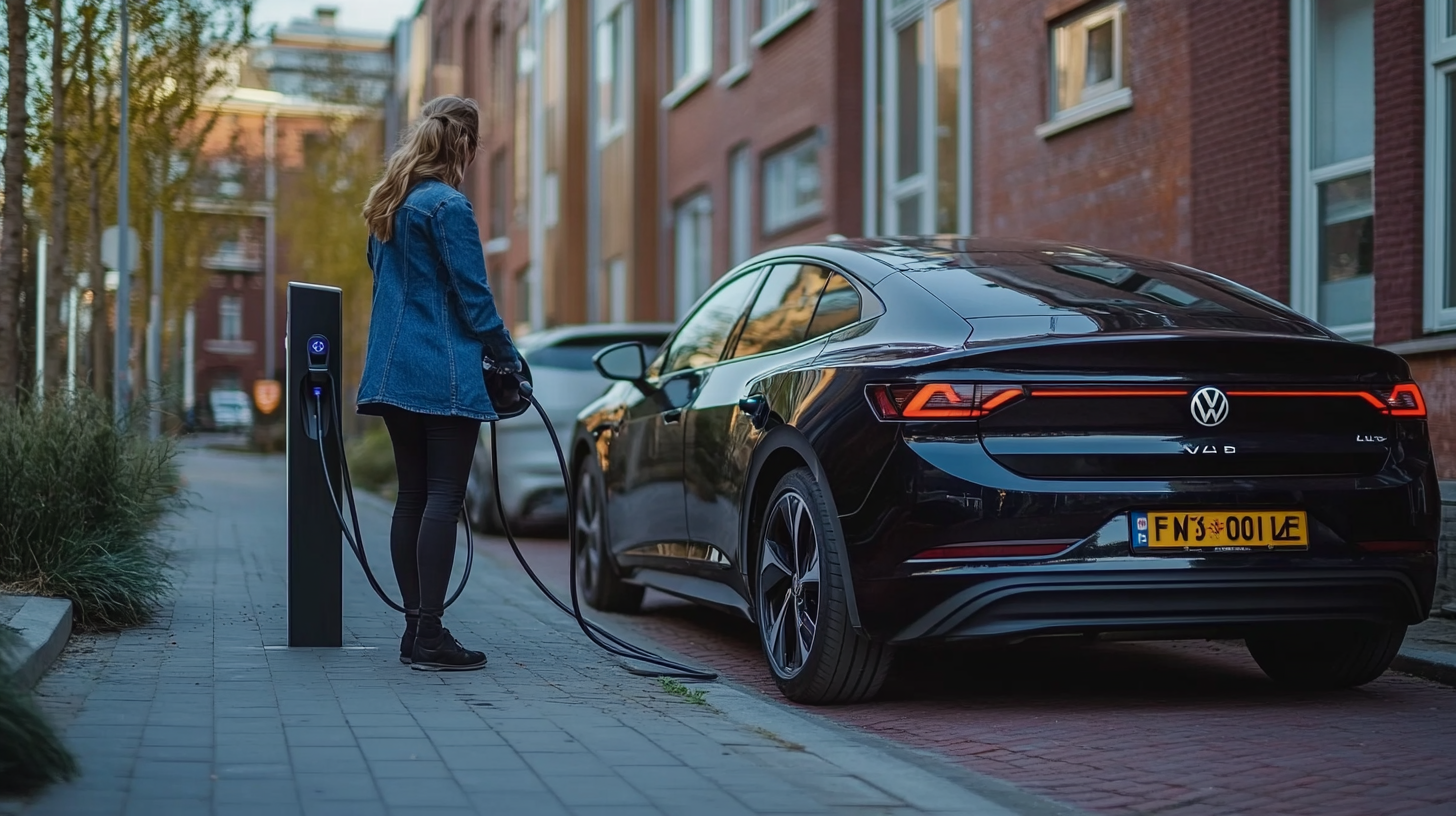
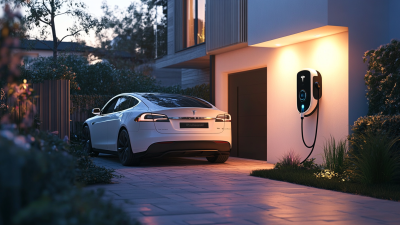
When choosing an AC EV charger for home use, you must consider several vital features to ensure compatibility, efficiency, and convenience. One of the primary factors is the charger’s power output. Typically measured in kilowatts (kW), a higher output means faster charging times. For most home applications, a 7.2 kW charger is sufficient, but opting for a 22 kW option can future-proof your investment while allowing for quicker top-ups during high-demand times.
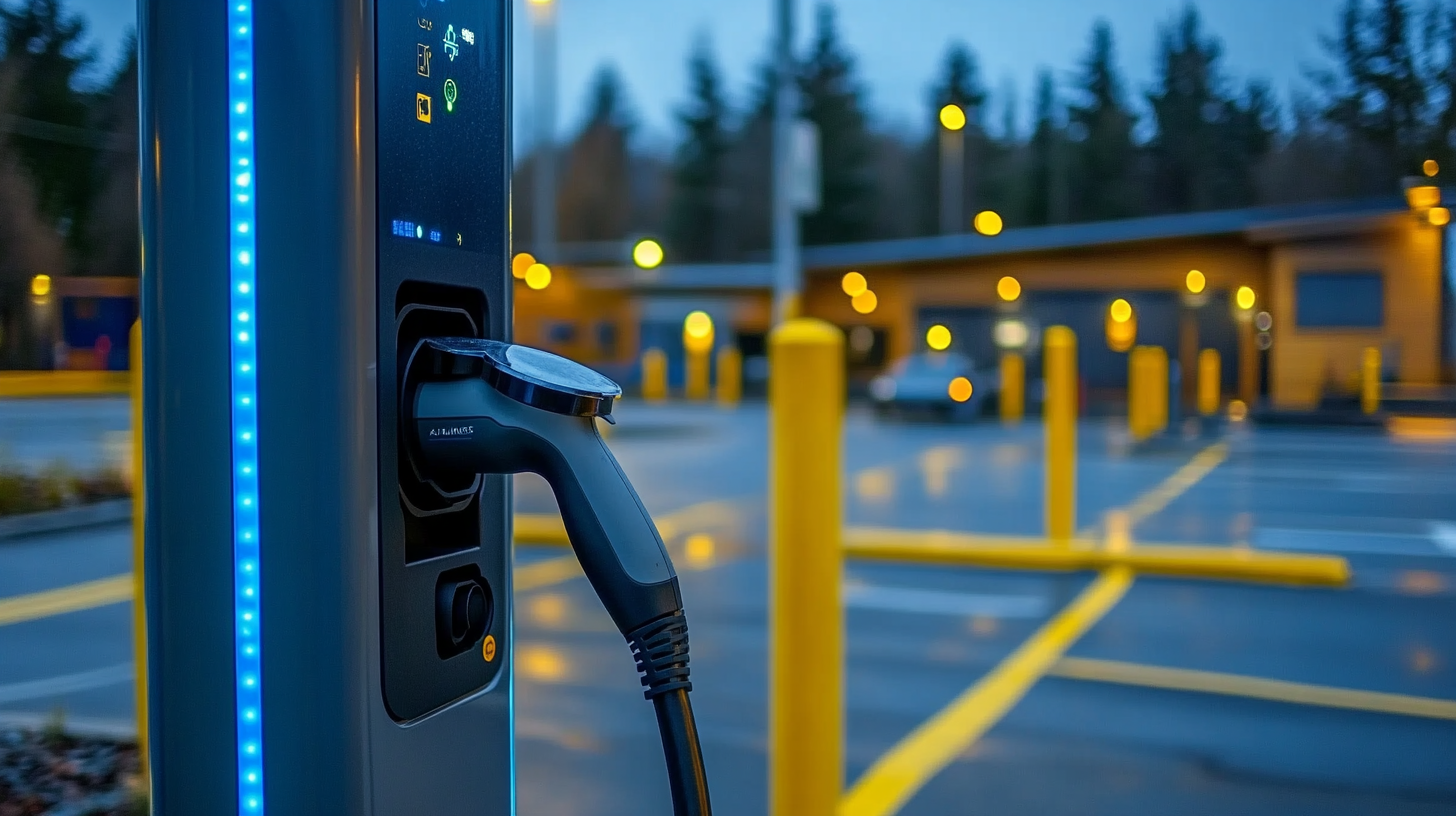
Another crucial aspect is the charger’s connectivity options. Many modern AC EV chargers offer smart features, including Wi-Fi and app integration, enabling users to monitor charging sessions, schedule charging times, and receive updates on their device's status. This versatility not only enhances user experience but also contributes to more efficient energy use, especially during off-peak hours. Additionally, look for safety certifications and features like built-in surge protection and weatherproofing, ensuring the charger remains reliable and secure throughout its lifecycle.
Electric vehicles (EV) are becoming increasingly significant in the transportation sector due to their environmental benefits and advancements in battery technology. As the demand for EVs rises, so does the need for efficient and accessible charging solutions. This blog explores the top 10 AC EV chargers, focusing on their pricing and performance.
When choosing an AC EV charger, several factors should be considered. First, assess the charging speed, as different chargers offer varying power outputs. A higher-power charger can significantly reduce charging time, which is especially beneficial for those with busy schedules. Additionally, consider the compatibility with different EV models, as not all chargers work seamlessly with every vehicle.
Another important aspect is the pricing structure. While some chargers may have a lower upfront cost, they could incur higher installation or operational expenses. It's vital to evaluate the long-term value of the chargers you’re considering. Look for models with adjustable power settings or smart features that enhance usability and efficiency.
Remember, investing in a reliable AC EV charger can contribute to a more sustainable driving experience, making it an essential consideration for both current and prospective EV owners.
This chart displays the comparative charging speeds of the top 10 AC EV chargers available in the market. The data reflects the maximum output power in kilowatts (kW) that each charger can deliver.
When selecting the right AC EV charger, charging speed is a crucial factor that can significantly affect your overall electric vehicle experience. Recent advancements in charging technology have led to the development of faster AC chargers, making it possible to charge your vehicle more efficiently. For instance, new industry reports indicate that Level 2 chargers can deliver between 3.3 kW to 22 kW, allowing drivers to add approximately 10 to 60 miles of range per hour of charging, depending on their vehicle's capacity and the charger's output.
When choosing an AC EV charger, consider the charging speed required for your daily needs. If you typically park your car at home for extended periods, a higher-powered charger can provide significant range boosts overnight. Conversely, for those who may use Public Charging stations regularly, understanding the typical charging speeds available can help optimize planning.
As the world accelerates toward an electric future, the importance of eco-friendly features in AC EV chargers cannot be overstated. Recent industry reports indicate that sustainable charging solutions can reduce carbon emissions significantly. For instance, a study by the International Energy Agency found that the shift from conventional to electric vehicles could lead to a reduction of up to 24 gigatons of CO2 emissions globally by 2030. This transition is heavily reliant on the deployment of efficient and green Charging Infrastructure.
Leading manufacturers are now focusing on integrating sustainable technologies into their AC chargers. Notably, many models now include energy-smart features such as programmable charging timers and solar integration capabilities. A report by Wood Mackenzie indicates that chargers equipped with such features can optimize energy consumption by up to 30%, leveraging renewable energy sources when demand is low. Moreover, advances in materials science have led to the creation of chargers made from recycled materials, further reducing their environmental footprint. Such innovations are not only paving the way for cleaner energy usage but also enhancing the overall user experience in an increasingly eco-conscious market.
| Model | Charging Power (kW) | Eco-Friendly Feature | Connectivity | Price Range (USD) |
|---|---|---|---|---|
| Model A | 7.2 | Solar Compatibility | Wi-Fi, Bluetooth | 350 - 450 |
| Model B | 22 | Recycled Materials | Ethernet, Wi-Fi | 600 - 800 |
| Model C | 11 | Energy Monitoring | Wi-Fi | 400 - 550 |
| Model D | 3.7 | Smart Grid Ready | 4G LTE | 200 - 300 |
| Model E | 7.4 | Low Energy Consumption | Wi-Fi, Bluetooth | 300 - 400 |
| Model F | 16 | Carbon Neutral Certification | Wi-Fi, Ethernet | 500 - 700 |
| Model G | 2.9 | User-Friendly App | Bluetooth | 150 - 250 |
| Model H | 7.2 | Biodegradable Packaging | Wi-Fi | 350 - 450 |
| Model I | 22 | Green Energy Source | Ethernet, 4G LTE | 600 - 800 |
| Model J | 3.6 | Energy Efficient | Wi-Fi, Bluetooth | 200 - 350 |
As electric vehicle (EV) adoption continues to surge globally, the demand for efficient and reliable AC EV chargers cannot be overlooked. According to a report by the International Energy Agency (IEA), the global stock of electric cars surpassed 10 million in 2020, pushing manufacturers to innovate their charging solutions. User experiences and ratings play a crucial role in selecting the best AC EV chargers. Consumers have highlighted the importance of charging speed, installation ease, and overall reliability in their reviews.
A survey conducted by J.D. Power revealed that 78% of EV owners expressed satisfaction with the convenience of their Home Charging Stations. The diversity of charging options has led to numerous positive user experiences with brands like ChargePoint and ClipperCreek. ChargePoint, for instance, has received high praise for its user-friendly app and robust network accessibility. ClipperCreek’s robust design and affordability also garnered favorable ratings from users, with many reporting minimal downtime and easy installation processes. By examining these user experiences, potential buyers can make informed decisions when investing in AC EV chargers that meet their needs.
The electrification of transportation is accelerating rapidly, with the global electric vehicle (EV) charging market set to expand significantly. According to recent forecasts, the EV charging station market could reach a staggering USD 221.18 billion by 2034, driven by widespread adoption of battery electric vehicles (BEVs) and plug-in hybrids (PHEVs). This transition is underscored by emerging technologies including wireless charging and vehicle-to-grid (V2G) systems, which promise to reshape how consumers interact with EV charging infrastructure.
As the market continues to grow, innovations such as smart charging systems are becoming increasingly essential. Industry insights predict that the revenue for EV charging cables alone could soar from USD 1.79 billion in 2025 to USD 6.41 billion by 2033. This trend highlights the importance of adaptability in both hardware and software solutions to meet the rising demand for efficient charging options.
C EV charger?
Level 2 AC chargers can deliver between 3.3 kW to 22 kW, enabling drivers to add approximately 10 to 60 miles of range per hour of charging.
If you park your car at home for extended periods, a higher-powered charger is beneficial for overnight range boosts. For those using public charging stations regularly, understanding typical available speeds can aid in planning.
Always check the specifications of your electric vehicle to ensure it is compatible with the charging station’s power output.
Consider investing in a charger that supports bidirectional charging for greater flexibility and potential cost savings on energy.
Eco-friendly features are important as they can significantly reduce carbon emissions and promote sustainable practices in electric vehicle charging infrastructure.
Manufacturers are integrating energy-smart features, such as programmable charging timers and solar integration, to optimize energy consumption and utilize renewable sources.
The shift from conventional vehicles to electric vehicles, supported by sustainable charging solutions, could lead to a reduction of up to 24 gigatons of CO2 emissions globally by 2030.
Chargers made from recycled materials contribute to reducing environmental footprints and promote cleaner energy usage in the electric vehicle market.
Advances in materials science have led to the development of chargers that are not only more sustainable but also enhance the overall user experience by being eco-conscious.