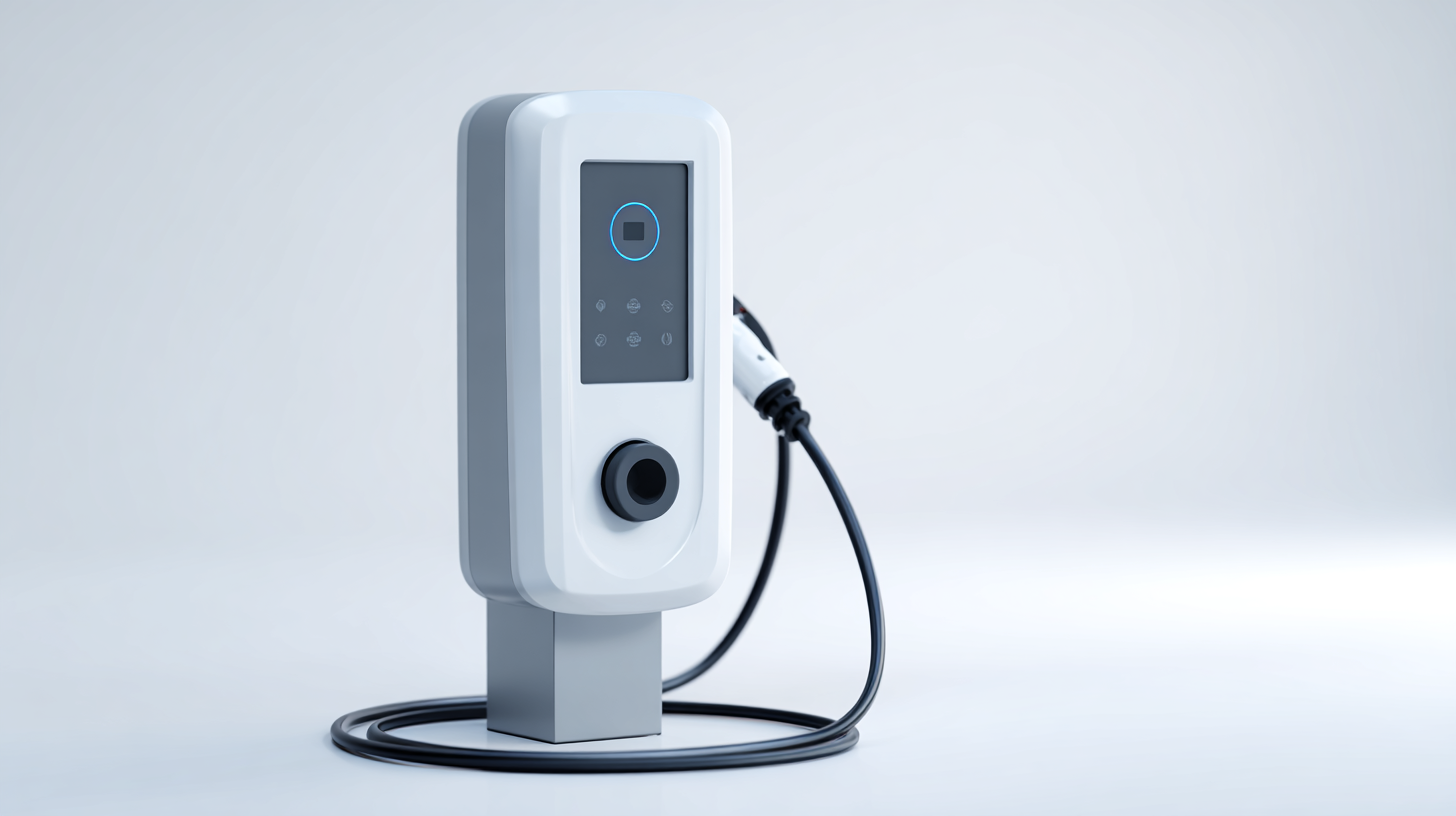
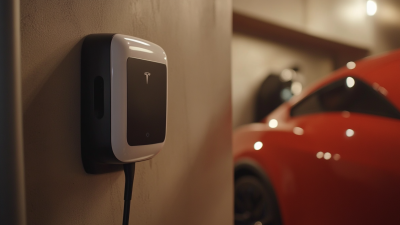
You know, as more and more folks are jumping on the electric vehicle (EV) bandwagon, having a solid and efficient EV Home Charger is just becoming a must. I came across this industry report recently that says the EV charging market is set to hit a whopping $40 billion by 2026! That's mainly because so many people are embracing electric vehicles and really want convenient ways to charge them.
Here at TONGXING NEW ENERGY TECHNOLOGY CO., LTD., we totally get how crucial it is to have top-notch charging technology. That’s why we’ve got a wide range of products, from 3.5kW home chargers to heavy-duty 720kW ultra-fast charging stations for businesses.
Our advanced Ev Home Chargers don’t just deliver fantastic performance for your home; they also work perfectly with integrated photovoltaic (PV) systems and energy storage solutions, so homeowners can charge their vehicles in a way that's bothsustainable and super efficient.
In this blog, we’ll dive into the technical details of the best EV home chargers out there, highlighting the latest trends in the industry and sharing some great strategies to boost their performance.
Understanding EV Home Charger Types: Which One Suits Your Needs?
So, when you're trying to pick the right home charger for your electric vehicle (EV), it's super important to get a handle on the different types out there to find what works best for you. You've got the usual suspects: Level 1, Level 2, and Dc Fast Chargers. Fun fact—according to a recent report from the International Energy Agency (IEA), around 90% of folks charging their EVs at home are using Level 2 chargers. Why? Well, they’re just way more efficient than Level 1 chargers. Level 2 chargers can pump out anywhere from 3.3 kW to 19.2 kW of power, which is great because it means you can usually get a full charge overnight without breaking a sweat.
Now, don’t forget—the charger you choose should also match up with your car model and how much you drive every day. A study from the Electric Power Research Institute (EPRI) points out that if you’ve got a longer daily commute, say over 30 miles, going for a Level 2 charger can really speed things up and save you time. But if you mostly charge in public and don’t drive much on the daily, then a Level 1 charger might just do the trick for your overnight needs. So, making your choice based on these tips not only helps things run smoothly but also makes life a whole lot easier for you.
Unveiling the Technical Specifications of the Best EV Home Charger for Optimal Performance
| Charger Type | Charging Speed (kW) | Connector Type | Smart Features | Installation Complexity |
| Level 1 Charger | 1.4-1.9 kW | NEMA 5-15 | Minimal | Easy |
| Level 2 Charger | 3.7-22 kW | J1772 | Yes | Moderate |
| DC Fast Charger | 50-350 kW | CHAdeMO, CCS | Advanced | Complex |
| Portable Charger | 3.6-7.2 kW | J1772 | Basic | Easy |
Key Technical Specifications to Look for in an EV Home Charger
Choosing the right charger for your EV at home? Well, it’s super important to get a grip on the key technical specs to really make the most of it. Recently, the SAE J3400 EV Coupler Recommended Practice rolled out some solid guidelines that are all about helping both suppliers and automakers. This means that, as consumers, we can have a safer and way more user-friendly charging experiencewhen we plug in. And let's face it, with more folks getting into electric vehicles these days, having reliable Charging Infrastructure is a big deal. So, when you're looking at your charging options, definitely think about how well they mesh with these new standards.
Now, a few specs you should really pay attention to are charging speed, power output, and safety features. Home chargers can range pretty widely, starting from around 3.5 kW for regular use and going all the way up to crazy industrial options like 720 kW ultra-fast chargers. And don’t forget about what’s coming down the road! It’s smart to keep in mind how your charger might work with renewable energy sources, like solar panels or energy storage solutions. As smart charging laws and standards keep evolving, having a charger that can adapt will not only make your life easier but will also help us move toward a more sustainable energy future.
Comparing Charging Speed: Level 1 vs. Level 2 EV Chargers
So, if you're thinking about charging your electric vehicle (EV) at home, it's really important to get a grip on the differences between Level 1 and Level 2 chargers. Level 1 chargers are pretty much the most basic setup you can have. They run off a regular 120-volt outlet, which is super convenient since you don't need any fancy installation. But here's the kicker: the charging speed is kind of on the slower side. You’re looking at about 4-5 miles of range added per hour. So, if you’ve got a smaller battery or you can just let it sit overnight, a Level 1 charger might work just fine for you.
Now, if you want something a bit faster, that's where Level 2 chargers come into play. These guys use a 240-volt outlet and can really crank things up, adding around 25 miles of range each hour. This can be a game-changer for folks who commute daily or for those with bigger batteries. Sure, getting one installed might cost you a bit more upfront, but honestly, the time you save with faster charging is totally worth it in the long run.
A Few Tips to Pick the Right Charger:
- Think about how you drive: If you're putting in long hours on the road every day, investing in a Level 2 charger could really save you time and give you some peace of mind.
- Check out your home's electrical setup: You want to make sure your place can handle a Level 2 charger. If you're not sure, it might be good to chat with a pro.
- Keep an eye out for smart features: Some Level 2 chargers come with nifty Wi-Fi options, letting you track charging times and energy usage right from your phone. This little addition can make things a whole lot easier.
The Importance of Safety Features in Electric Vehicle Chargers
So, you know those electric vehicle (EV) chargers? They're super important for charging your electric car safely and efficiently right at home. Seriously, you can't overlook their safety features. A report from the National Fire Protection Association points out that if Ev Chargers aren't installed or used properly, the risk of electrical fires goes up. That's why it's a big deal for homeowners to pick chargers that come with solid safety mechanisms. You've got features like overcurrent protection, ground fault circuit interrupters (GFCIs), and temperature control systems. These things really help keep any potential hazards at bay, giving you some peace of mind while your car's powering up.
And get this – the 2022 EV Charger Market Report found that how safe folks think the charging infrastructure is plays a huge role in how confident they feel about electric vehicles. In fact, about 78% of potential EV buyers say safety features are at the top of their list when they’re choosing a home charging unit. Technology like real-time monitoring and automatic shut-off not just ramps up user safety but also extends the life of your vehicle’s battery. So, when you think about it, investing in a quality, safety-first home EV charger isn’t just smart; it can seriously boost your car's performance and give you that peace of mind you really want as the electric vehicle market keeps growing.
Performance Comparison of Electric Vehicle Chargers
Installation Considerations for Your Home EV Charging Station
So, you're thinking about putting in an EV charging station at home? That’s a great idea, but there are a few key things to think about if you want it to work well. Did you know that a study from the Electric Vehicle Association found that proper installation could boost your charging efficiency by as much as 30%? Yeah, it really makes a difference! It all comes down to picking the right type of charger that fits your electric vehicle and following the local electrical guidelines. For most homes, a Level 2 charger is what you’ll want—it typically runs on 240 volts and can fully charge your car in about 4 to 8 hours. Perfect for overnight charging if you ask me!
Here are some handy tips for installation:
1. **Location**: You'll want a spot that’s easy to get to and as close to your electrical panel as possible. This not only keeps the wiring simple but also helps keep those installation costs down.
2. **Electrical Capacity**: Check that your home’s electrical system can manage the extra load. It’s a good idea to have a licensed electrician come in to check things out and suggest any upgrades if needed.
3. **Weatherproofing**: If you’re going for an outdoor installation, definitely look into weatherproof charging stations to shield them from the elements. Make sure to pick chargers that are rated for outdoor use so they won’t get damaged over time.
By keeping these installation tips in mind, you can really get the most out of your EV charging station, both in terms of performance and how long it lasts!
Maintaining Optimal Performance: Tips for Your EV Charger
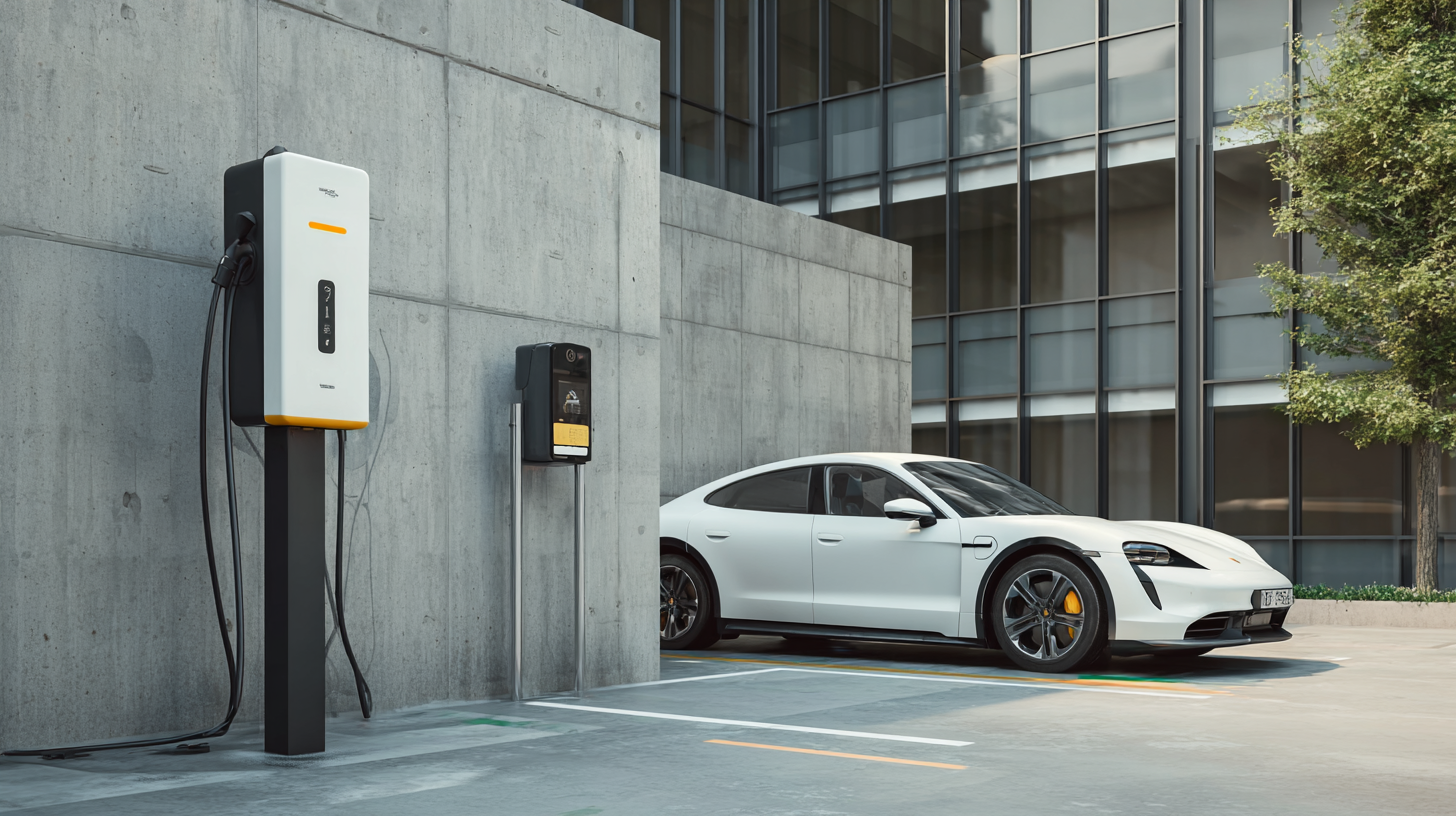
So, if you're charging your electric vehicle (EV) at home, keeping it running smoothly is super important for making sure it lasts and works efficiently. One of the easiest ways to do this is by regularly checking and giving your EV charger a good clean. You’d be surprised how quickly dust, dirt, and other little bits can pile up, which might mess with how well the charger works. Just grabbing a soft cloth to wipe it down and making sure the vents aren’t blocked can really help avoid overheating issues and keep that charge consistent.
Oh, and don’t forget to update the firmware on your EV charger! A lot of the newer models come with smart tech that lets you update the software. These updates can really boost performance and add better features for safety. Keeping it current means you're also getting the latest safety enhancements. While you’re at it, it’s a smart move to snag a surge protector. That way, your charger gets some armor against power spikes, helping to keep everything running at its best and protecting your investment.
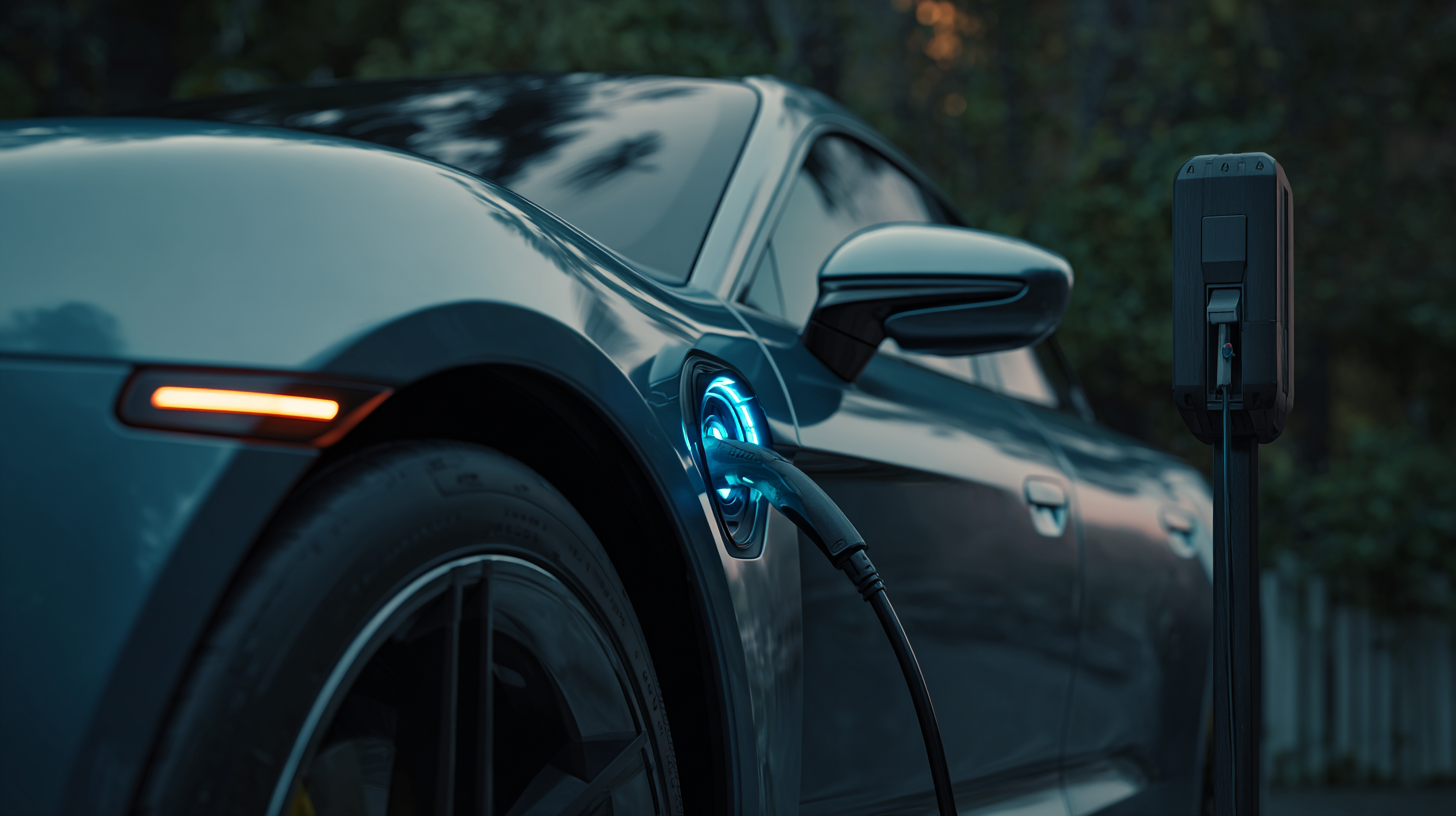
Empowering Your Drive: The Future of Charging with Portable EV Fast Chargers (7Kw, 11Kw, 22Kw)
As the electric vehicle (EV) market continues to grow at an unprecedented rate, with projections indicating that global EV sales could reach 28 million units by 2030, the demand for efficient charging solutions is more crucial than ever. Portable EV fast chargers, particularly those offering 7Kw, 11Kw, and 22Kw outputs, are emerging as essential tools for both individual and commercial users seeking convenience and reliability. These chargers not only provide faster charging times but also enhance accessibility, allowing drivers to maintain their vehicles' charge levels without being tied to stationary charging points.
Our featured charging units boast a user-friendly interface with a 4.3-inch touch screen that facilitates seamless operation. Users can authenticate through multiple methods, such as QR codes, RFID cards, or passwords, ensuring secure access. The integration of metering information allows operators to monitor consumption units effectively, contributing to more efficient energy management. Furthermore, the communication between the EVSE (Electric Vehicle Supply Equipment) and a central server via the optional OCPP 1.6J protocol enables advanced connectivity, which is vital for monitoring and managing charging stations at scale.
Safety is paramount in the design of these chargers, adhering to rigorous standards such as IEC 62196:2017 and IEC 61851:2017. Enhanced safety parameters include protections against overcurrent, overvoltage, leakage, and surge events, ensuring that both the vehicle and the user are well-protected during the charging process. With technological advancements paving the way for innovation in the charging landscape, portable fast chargers stand out as essential investments in our sustainable driving future.
FAQS
: Level 1 chargers use a standard 120-volt outlet, charging about 4-5 miles of range per hour, while Level 2 chargers operate on a 240-volt outlet, providing approximately 25 miles of range per hour.
Level 1 chargers are suitable for those with smaller battery capacities or for individuals who can leave their vehicle plugged in overnight.
Level 2 chargers offer faster charging speeds, making them ideal for daily commuters or those with larger battery capacities, thus saving time on recharging.
Yes, Level 2 chargers usually require professional installation and may have a higher initial cost compared to Level 1 chargers.
Look for chargers equipped with overcurrent protection, ground fault circuit interrupters (GFCIs), and temperature control systems to enhance safety during the charging process.
According to the 2022 EV Charger Market Report, 78% of potential EV buyers prioritize safety features when selecting a home charging unit, indicating that safety significantly impacts consumer confidence.
Some Level 2 chargers come with smart features like Wi-Fi connectivity, allowing users to monitor charging times and energy usage through an app.
A high-quality, safety-focused charger not only ensures user safety but also protects the vehicle's battery and enhances overall performance, which is essential in the growing electric vehicle market.
A Level 2 charger typically provides about 25 miles of range per hour.
You should assess your home's electrical capacity to ensure it can support a Level 2 charger and consult a professional if necessary.