Leave Your Message
Hey there! So, you know how everyone's trying to figure out better energy solutions? Well, Solar Car Chargers are a pretty cool development in the world of eco-friendly transport! Here at TONGXING NEW ENERGY TECHNOLOGY CO., LTD., we're totally pumped about leading the way with our awesome lineup of products — from 3.5kw chargers for your home to some seriously powerful 720kw ultra-fast charging stations for industrial needs. What’s great about our Solar Car Chargers is that they don’t just charge your car; they’re also designed to integrate solar energy systems and storage solutions. This means they’re super efficient and actually tap into renewable energy for your daily drive. We’re really excited about this next wave of sustainable energy, and we’re on a mission to help folks and businesses cut down their carbon footprint while enjoying the perks of electric vehicles. In this blog, we’ll dive into how Solar Car Chargers could totally change the game for future transportation!

Hey, have you noticed how the automotive industry is really shaking things up these days? It’s all about solar energy now, and honestly, it’s pretty exciting! Car makers and folks like you and me are seriously focusing on sustainability these days, which is why you’re seeing more electric cars pop up with solar panels attached. This whole thing isn’t just about making cars run better; it’s also about joining the global movement to tackle climate change head-on.
Thanks to some cool breakthroughs in solar tech, integrating these systems into vehicles is becoming way more doable. We’ve got lighter solar cells now and better energy storage solutions, so electric vehicles can soak up the sun’s energy much more efficiently. Automakers are even getting creative with ideas like solar car chargers—imagine being able to charge your car while you’re on a long road trip or just parked somewhere! It’s a game changer that not only shrinks the automotive industry’s environmental footprint but also gives drivers more freedom to control their energy use.
Plus, it’s pretty clear that consumers are getting more into the solar vibe, which shows a shift towards looking for greener choices. With gas prices going up and people getting more worried about the environment, these solar car chargers are like a breath of fresh air for those wanting to cut down their carbon footprint. As this trend keeps rolling, we’re headed toward a future where solar energy could really reshape how we drive, making sustainable options more accessible and practical for all of us!
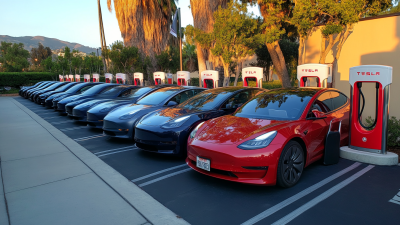
The electric vehicle (EV) charging sector is experiencing unprecedented growth, driven by advancements in charging technology and increasing demand for sustainable transportation solutions. The expansion from 60kW to 240kW commercial OCPP EV charging stations plays a crucial role in this evolution, enabling faster charging capabilities that are essential for scaling Ev Infrastructure. According to a report by BloombergNEF, the global EV market is expected to reach 50% of new car sales by 2030, which will necessitate a robust and efficient charging network.
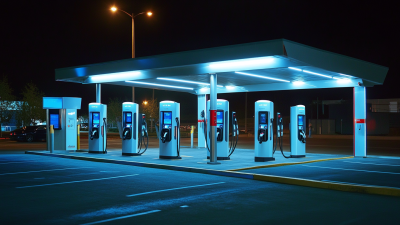
Our advanced range of charging stations, offering options from 30kW to 720kW, is designed to meet the demands of this expanding market. With features that include one to three guns compatible with CCS1, CCS2, Chademo, and GBT standards, along with a user-friendly interface displayed on a 7-inch LCD screen, these units ensure accessibility for various EV models. The integration of OCPP 1.6/2.0 and IP54/55 ratings guarantees flexibility and longevity, making them ideal for both public and private installations. With a 24-month warranty, high conversion efficiency, and low standby power consumption, our charging stations support a sustainable and cost-effective charging solution for the future.
The shift to higher power charging stations contributes significantly to reducing wait times for EV users, enhancing overall user experience and adoption rates. Fast charging capabilities, along with dual safety protections for both users and vehicles, position these stations as essential infrastructure in the quest for widespread electric vehicle usage. As more stakeholders recognize the importance of reliable and efficient charging solutions, investments in advanced commercial OCPP EV charging stations will be key to unlocking substantial growth in the EV charging sector.
: Solar car chargers harness solar energy through photovoltaic cells that convert sunlight into electricity. This energy can charge electric vehicles directly or be stored in batteries for later use, allowing for off-grid power solutions.
Solar car chargers help reduce reliance on electrical grids and fossil fuels, leading to lower greenhouse gas emissions and cleaner air. They contribute to a sustainable driving ecosystem when paired with electric vehicles.
Solar car chargers can be set up in various locations, including residential homes, commercial parking lots, and as portable charging solutions for on-the-go use.
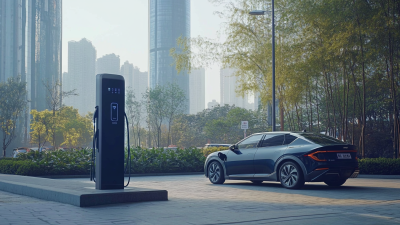
Integrating solar charging stations into urban designs can reduce carbon footprints, lower operational costs for municipalities, and enhance the urban landscape while promoting green energy usage.
Yes, many advanced solar car chargers can integrate with home energy management systems to optimize energy use based on real-time charging needs and solar production.
Solar car chargers can minimize costs associated with construction and electrical infrastructure, as they generate energy on-site, making them economically attractive for both individuals and municipalities.
By providing a more accessible and widespread charging network, solar charging stations can ease concerns about running out of battery, encouraging more people to adopt electric vehicles.
The International Energy Agency projects that the number of electric vehicles worldwide could reach 145 million by 2030, enhancing the demand for solar Charging Infrastructure as a sustainable solution.
Yes, many solar car chargers are equipped with smart technology for efficient energy management and real-time monitoring, allowing users to track energy production and consumption.
By integrating solar charging stations, cities can support sustainability goals, promote the use of electric vehicles, and reduce reliance on fossil fuel sources, fostering a greener urban environment.