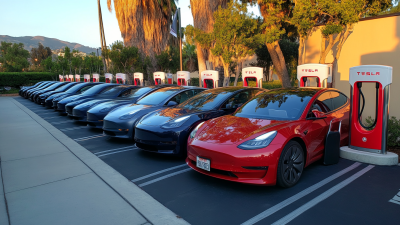
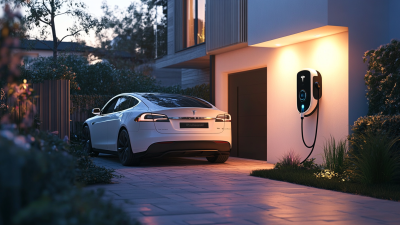
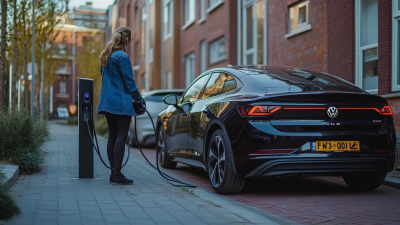
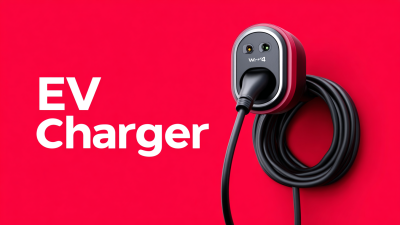
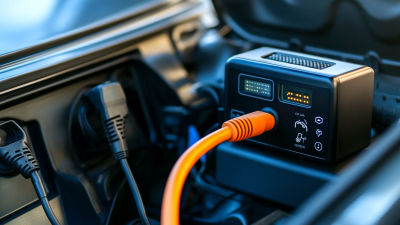
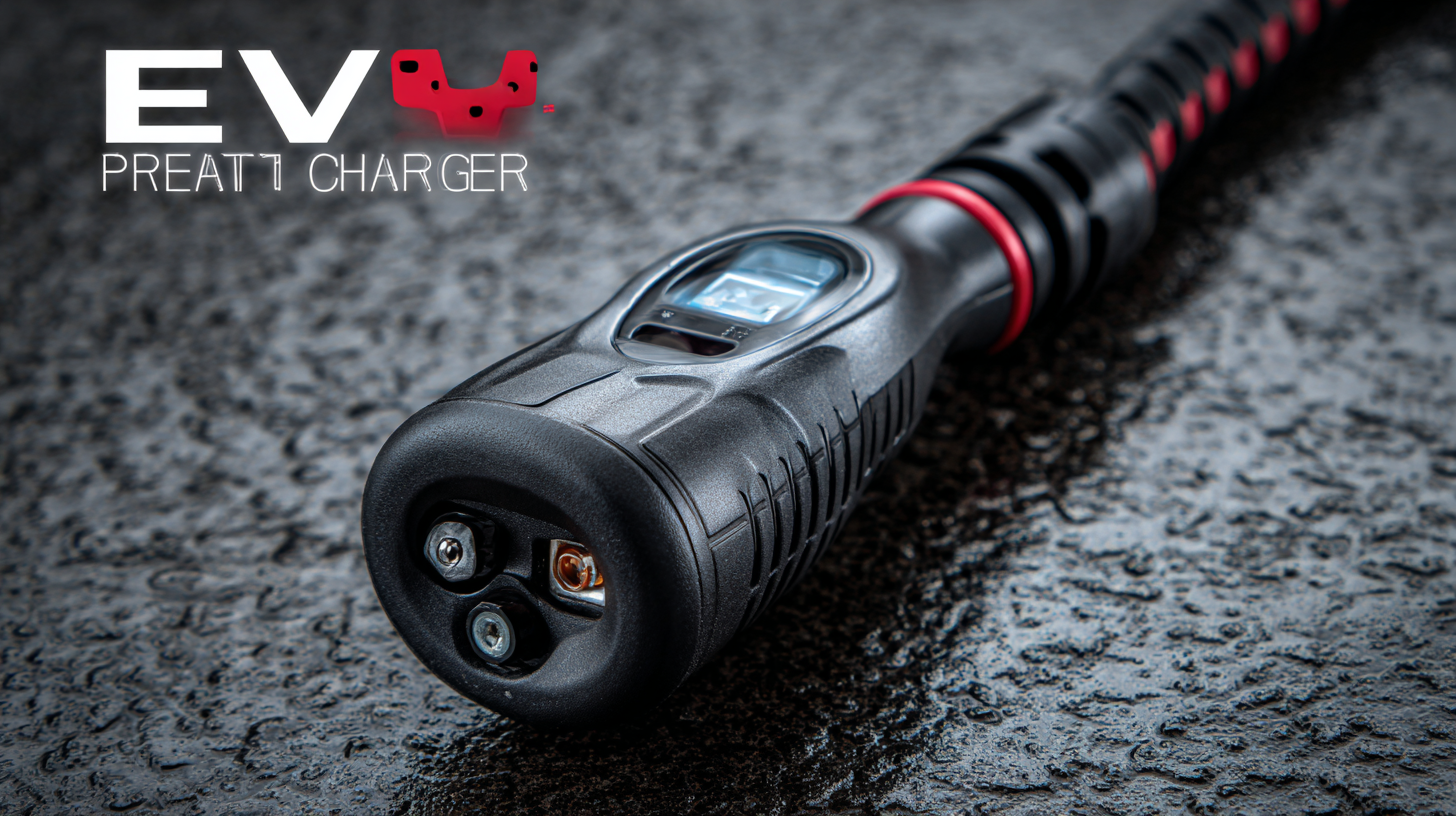
 You know, more and more people are jumping on the electric vehicle (EV) bandwagon, and that’s really ramping up the need for some top-notch Ev Car Chargers. China’s really stepping up its game as a leading player in this market. I mean, just think about it – a report from the International Energy Agency showed that the number of electric cars worldwide topped 10 millionin 2020! Pretty wild, right? This just goes to show how important it is to have a solid Charging Infrastructure in place. That’s whereTONGXING NEW ENERGY TECHNOLOGY CO., LTD. comes in. They’ve got a wide range of products, from small 3.5 kW chargers for home use to these powerhouse industrial 720 kW ultra-fast charging stations. Everything is crafted with the user in mind. Plus, they’re all about making the most out of energy with their integration of solar power and energy storage solutions, which not only cuts down on energy waste but also helps save on maintenance costs. By focusing on stellar after-sales support and keeping a close eye on market trends, they’re really carving a niche for themselves in the ever-growing Ev Charger industry. So, when you go with them, you’re not just getting quality – you’re also scoring a bit of peace of mind.
Advantages of After-Sales Service in EV Charger Exports from China
You know, electric vehicles (EVs) are really taking off these days, and with that boom, there's a growing need for top-notch EV chargers. It's pretty interesting to see how China has stepped up as a big player in the global market for these chargers. Now, one big reason behind this success? It's all about after-sales service. When people shell out good money for a quality charger, they're not just buying a gadget; they're starting a relationship built on trust and support, right? And that’s where after-sales service comes into play, making sure customers feel backed up and well-informed long after their purchase.
Good after-sales support can really boost customer satisfaction. Companies that go the extra mile to offer quick troubleshooting and maintenance are likely to win over loyal customers. This focus on service doesn’t just end with the sale; it helps to create lasting relationships and encourages people to come back for more. In a world where tech changes at lightning speed, having access to reliable support means customers can keep up with the latest innovations, ensuring their EV charging setups stay efficient and current. So, in a nutshell, after-sales service isn’t just an add-on; it’s a game-changer that can really set companies apart in a crowded market.
Cost-Effective Maintenance Solutions for Premium EV Car Chargers
You know, as the electric vehicle (EV) market really starts to take off, the need for high-quality EV car chargers is really picking up too. Recent reports are saying that by 2028, the global EV charger market could hit a whopping $38 billion, with China totally leading the charge on exports. But here’s the catch—keeping these top-notch chargers in shape can get pretty pricey. Luckily, there are some budget-friendly maintenance options out there that can help you get the most out of these crucial charging pieces.
Regular maintenance is super important if you want to keep things running smoothly and safely. A good rule of thumb is to set up check-ups every six months, paying special attention to the connectors and cables to see how they're holding up. According to the International Energy Agency, chargers that get regular TLC can boost their reliability by as much as 30%, which means way fewer unexpected outages.
And hey, have you heard about remote monitoring tech? It can really help slash maintenance costs. By keeping an eye on data from afar, technicians can spot issues before they blow up into bigger problems, which cuts down on the need for those on-site visits. A study by McKinsey points out that companies that jump on the predictive maintenance bandwagon have managed to knock maintenance costs down by about 20-25%. So, by embracing these smart maintenance strategies, not only do we keep things running smoothly, but we also help support a more sustainable Ev Infrastructure overall.
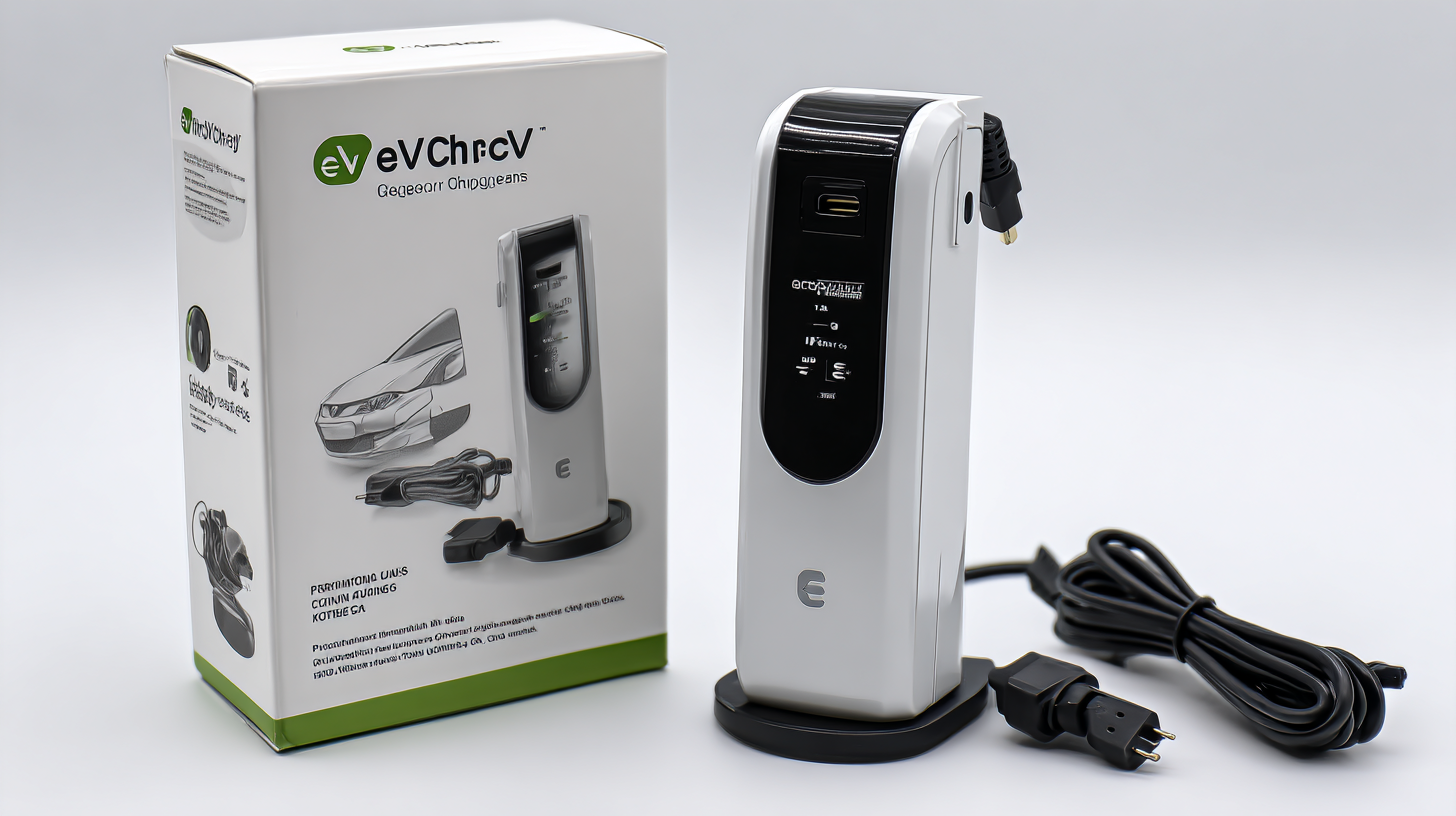
Enhancing Customer Satisfaction through Reliable Support Services
You know, as the electric vehicle (EV) market really starts to take off, keeping customers happy is super important for getting more people on board. Recent reports show that about 69% of folks who own EVs really care about having reliable support services when they’re picking out charging solutions. This just goes to show that it’s not just about having top-notch chargers; it’s also about making sure customers feel supported before and after they make a purchase.
Chinese manufacturers seem to have gotten the memo. They’re stepping up their game by producing high-quality EV car chargers and improving their service, too. A recent analysis from the International Energy Agency (IEA) revealed that exports of EV chargers from China have skyrocketed by more than 50% in the past year alone, which really highlights how they’re becoming leaders in the global market. Companies are pouring money into after-sales support now, setting up dedicated customer service teams and putting loads of resources online to make sure customers feel confident. When you combine great products with awesome service, it’s no surprise that you're gonna build a loyal customer base eager to join the EV revolution!
Premium Quality EV Car Chargers: Leading Global Exports from China - Enhancing Customer Satisfaction through Reliable Support Services
| Charger Type | Output Power (kW) | Charging Time (hours) | Global Exports (Units) | Customer Satisfaction Rating (%) |
| Level 2 Charger | 7.2 | 4-5 | 500,000 | 92 |
| DC Fast Charger | 50 | 0.5-1 | 300,000 | 89 |
| Residential Charger | 3.7 | 6-8 | 150,000 | 95 |
| Portable Charger | 1.8 | 8-10 | 200,000 | 87 |
| Commercial Charger | 22 | 2-3 | 250,000 | 90 |
Comparative Analysis of Warranty Policies in Global EV Charger Markets
You know, the electric vehicle (EV) market is really booming all over the world, and that’s created a pretty big demand for quality EV chargers. So, if you take a closer look at warranty policies in different markets, it can really give both customers and manufacturers some valuable insights. For example, research shows that the US roadside assistance market is set to hit around USD 3,346.2 million by 2032, with a steady growth rate of about 4.5% a year. This just goes to show how crucial it is to have reliable EV charging options along with solid warranty policies that can boost consumer trust.
Take the UK, for instance—they’re kind of digging into the warranty provisions for high-voltage lithium-ion batteries in EVs. This is part of a larger trend where folks are really thinking critically about warranties from manufacturers and suppliers. As electric mobility picks up speed, getting a grip on the warranty landscape becomes super important for both consumers and businesses. Plus, having a strong charging infrastructure, along with clear and comprehensive warranty terms, can really give an edge in the growing EV charger export market from China, where premium quality is starting to be a big deal.
Strategies for Reducing Long-Term Repair Costs for EV Chargers
The electric vehicle (EV) market is really changing fast, especially with China leading the way in both making EVs and building stuff like chargers. As more folks around the world want high-quality chargers for their electric cars, it’s super important for manufacturers to come up with smart strategies to keep those repair costs low over time. Not only do these strategies help the chargers last longer, but they also make the whole user experience way better.
One great way to cut down on repair costs is to use predictive maintenance technologies. Sounds fancy, right? But really, it just means using data and Internet of Things (IoT) tech to keep an eye on how chargers are doing in real-time. This way, manufacturers can catch problems before they turn into big, expensive issues. Plus, if they invest in high-quality materials and smart design, chargers will be more durable, which means fewer service visits and lower maintenance costs overall.
And another thing—forming strong repair partnerships can really help with keeping EV chargers up and running smoothly. By training local techs and making sure they have the parts they need, downtime for users is greatly reduced. This not only boosts customer satisfaction, but it also helps manufacturers stamp their mark as leaders in the global EV charger market, all while supporting the greener electric vehicle movement. Pretty cool, right?
The Role of After-Sales Support in Building Brand Loyalty for EV Products
You know, the electric vehicle (EV) market is changing really fast, and let me tell you, after-sales support is becoming super important for keeping customers loyal to brands. Lately, it seems like more and more EV buyers don’t really care which brand they choose. Instead, they’re focusing on what really matters, like how the car performs, the features it has, and how much it’ll cost them in the long run. This isn’t just a little shift; it’s a big change in how people think about owning cars. The whole experience of ownership, especially how well after-sales services are delivered, is key to keeping customers around. I came across a study that showed about 70% of folks consider after-sales support crucial when deciding whether to buy from a brand again. That’s huge!
So, what should manufacturers do to ride this wave? They really need to step up their after-sales game—not just fixing stuff when it breaks, but actually making the overall experience better using tech solutions. You know, thinking outside the box! Things like loyalty programs that tap into customer data could really crank up trust—something that’s super valuable today. For instance, companies that use data analytics to tailor their services often see a 20% boost in retaining customers. Pretty impressive, right?
One tip would be to build a rock-solid after-sales support team that’s quick to help customers with any questions or issues. Investing in this not only helps to keep customers happy but can turn them into enthusiastic advocates for your brand. That’s what really drives growth in the competitive EV market! Plus, if you keep the lines of communication open with proactive updates about their vehicle’s performance and maintenance needs, it can really enhance how they feel about owning their car. It’s all about that personal touch!
Maximizing Efficiency: A Comprehensive Guide to the GB/T 7-22KW EV Charging Station Wallbox for Your Electric Vehicle
In the quest for maximizing efficiency in electric vehicle (EV) charging, the GB/T 7-22KW EV Charging Station Wallbox stands out as a game-changer for modern households. One of its key features is the Dynamic Load Balancing (DLB) function, designed to work harmoniously with existing household electrical systems. This innovative technology ensures that when the EV charger is in use alongside other appliances, it maintains a dynamic equilibrium of total household current. By doing so, it effectively prevents the risk of overload, which can be a common concern in many homes.
The DLB system allows users to set a maximum current value for the main line. This is crucial, as the charger automatically adjusts its charging current—ranging between 6A to 32A—based on the idle load quota. This capability ensures that the total household current remains within safe limits, eliminating the need for costly upgrades to the home’s electrical infrastructure. By utilizing the available power supply more effectively, the GB/T 7-22KW Wallbox not only enhances charging efficiency but also contributes to a more sustainable approach in managing energy consumption at home.
FAQS
: Customer satisfaction is critical in the EV market as it drives the adoption of electric vehicles. A high percentage of EV owners prioritize reliable support services, influencing their choice of charging solutions.
Chinese manufacturers are leading in producing high-quality EV car chargers and enhancing service offerings. Their exports of EV chargers have significantly increased, highlighting their dominance in the global market.
After-sales support is vital for fostering brand loyalty as consumers increasingly prioritize the ownership experience over brand allegiance. Many consumers consider after-sales support essential when making repeat purchases.
Warranty policies are crucial as they enhance consumer confidence in EV charging solutions. Different markets are scrutinizing warranty offerings to provide robust protections that can influence purchasing decisions.
Manufacturers can enhance their after-sales support by addressing repair and maintenance needs and utilizing technology-driven solutions. Implementing loyalty programs based on customer data can further boost consumer trust and retention.
Companies that leverage data analytics to personalize service offers often see a significant increase in customer retention rates, with reports indicating an increase of up to 20%.
Companies should adopt a proactive communication strategy to keep customers informed about their vehicle's performance and maintenance needs, which enhances the overall ownership experience.
Besides quality, consumers are increasingly looking for reliable support services to accompany their purchasing decisions, reinforcing the importance of a comprehensive customer service experience.
A notable trend is the shift toward a brand-agnostic mindset among EV consumers, where factors like performance, features, and total cost of ownership take precedence over loyalty to a specific brand.