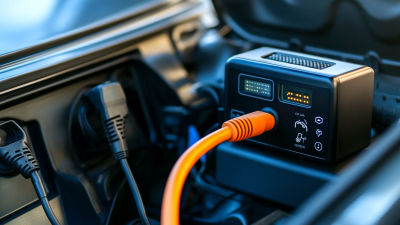
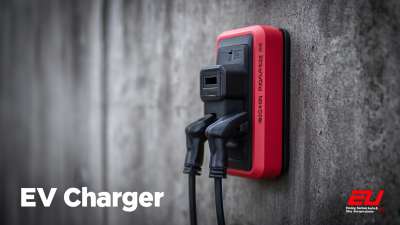
You know, when it comes to the world of electric vehicle (EV) charging, things are changing super fast out there. At TONGXING NEW ENERGY TECHNOLOGY CO., LTD., we get it: the future of how we get around really depends on having solid, reliable charging options. And let’s be real, Ac Ev Chargers are at the heart of this—serving everyone from folks charging up their cars at home to big companies needing more robust solutions. We've got an impressive lineup of products, too, ranging from sweet little 3.5kW home chargers to some seriously high-tech 720kW ultra-fast charging stations—all geared toward making energy use more sustainable. In this blog, we’re diving into why it’s so crucial to optimize AC EV charger setups all around the globe. We’ll look at how combining them with solar panels and energy storage can seriously boost charging efficiency and make it easier for everyone to access. So, let’s take a closer look at these exciting ideas and highlight just how essential AC EV chargers are for paving the way to a greener, more sustainable future for all of us.
Importance of Import and Export Certifications in EV Charging Infrastructure
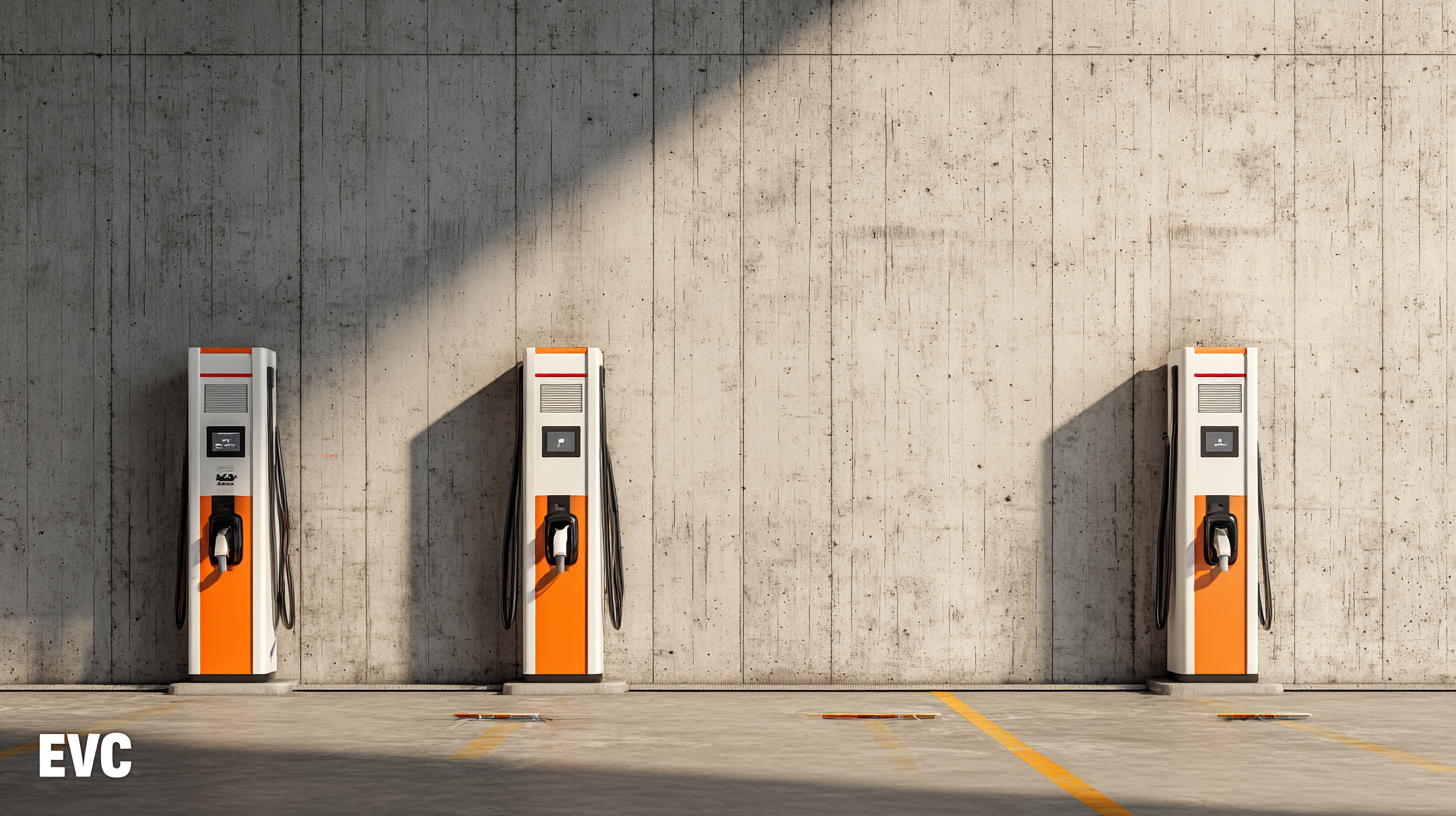
When it comes to setting up Ev Charging Infrastructure, you really can't underestimate howcrucial import and export certifications are, especially given the boom in the electric vehicle market. You know, a recent study by the International Energy Agency (IEA) found that electric vehicle sales hit over 6 million units in 2021 alone. That really drives home the point that we need efficient and standardized charging solutions right now. And that's where certifications come in—they make sure that charging stations are up to par with international safety, performance, and environmental standards. This is super important for building consumer trust and making sure the infrastructure actually gets deployed effectively.
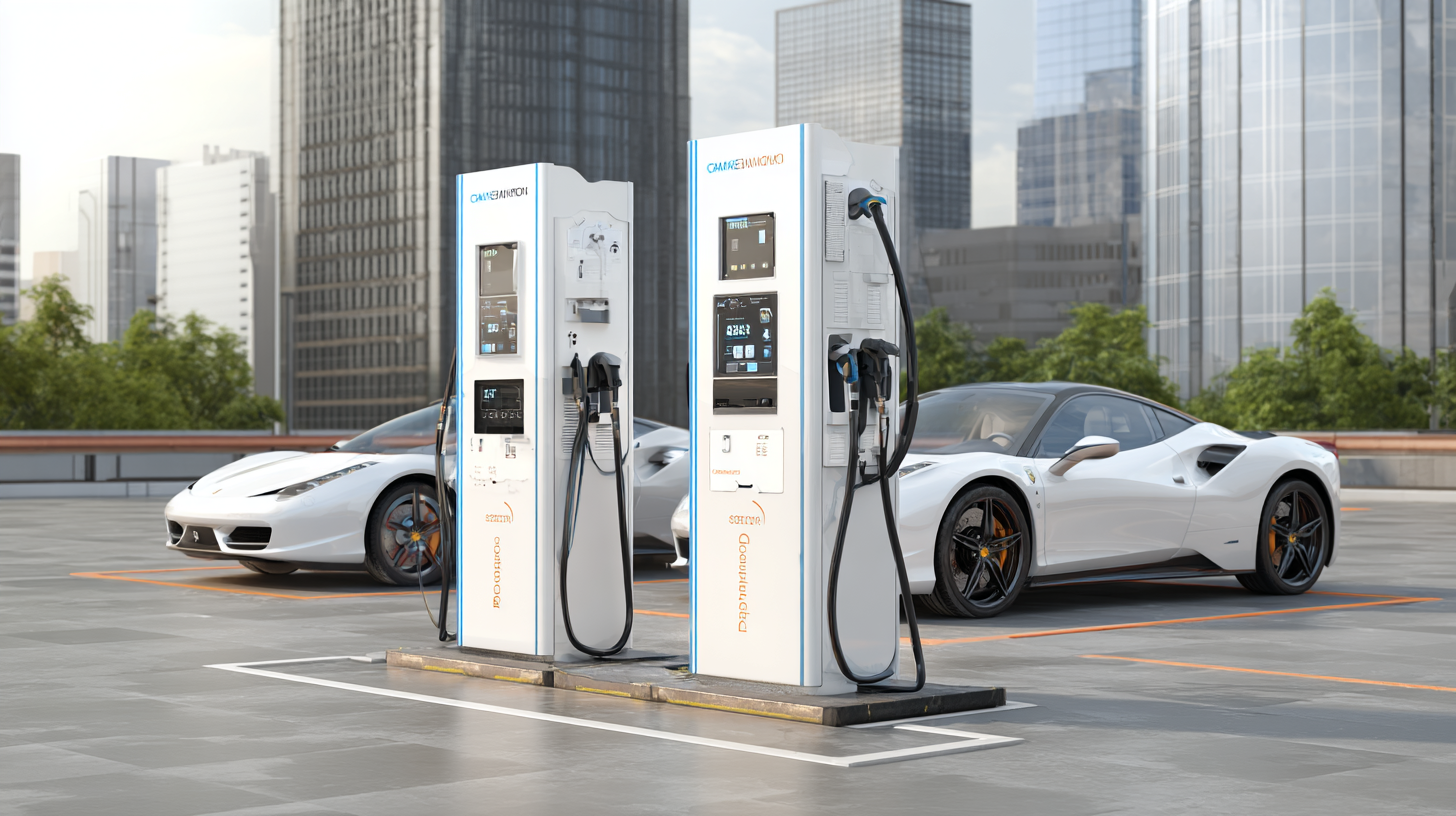
At TONGXING NEW ENERGY TECHNOLOGY CO., LTD., we totally get how vital it is to stick to these certifications. We’ve got a really diverse range of products—everything from 3.5 kW chargers for your home to those heavy-duty 720 kW ultra-fast charging stations. We’ve designed all of our products to meet those tough requirements. Plus, our cool integrated photovoltaic (PV) and energy storage solutions not only ramp up charging efficiency but also nail that sustainable energy use—something that's essential for snagging those certifications. As more folks look for reliable and eco-friendly charging setups, companies really need to invest in compliance to stay ahead in this competitive EV scene.
Key Considerations for Designing EV Charging Stations Globally
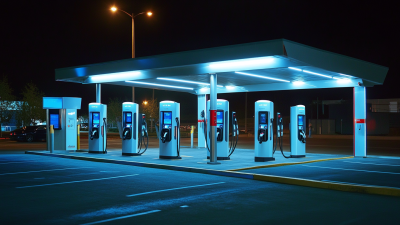
So, when we’re thinking about designing electric vehicle (EV) charging stations around the globe, there are a bunch of important things we need to keep in mind to create that top-notch infrastructure. Firstly, let’s talk location – that’s a biggie! Charging stations should really be set up in places where a lot of people will see them; think busy shopping centers, workplaces, and major highways. That way, it’s super easy for EV users to find them. Analyzing traffic patterns, population density, and what’s already out there can really help pinpoint the best spots for these charging points.
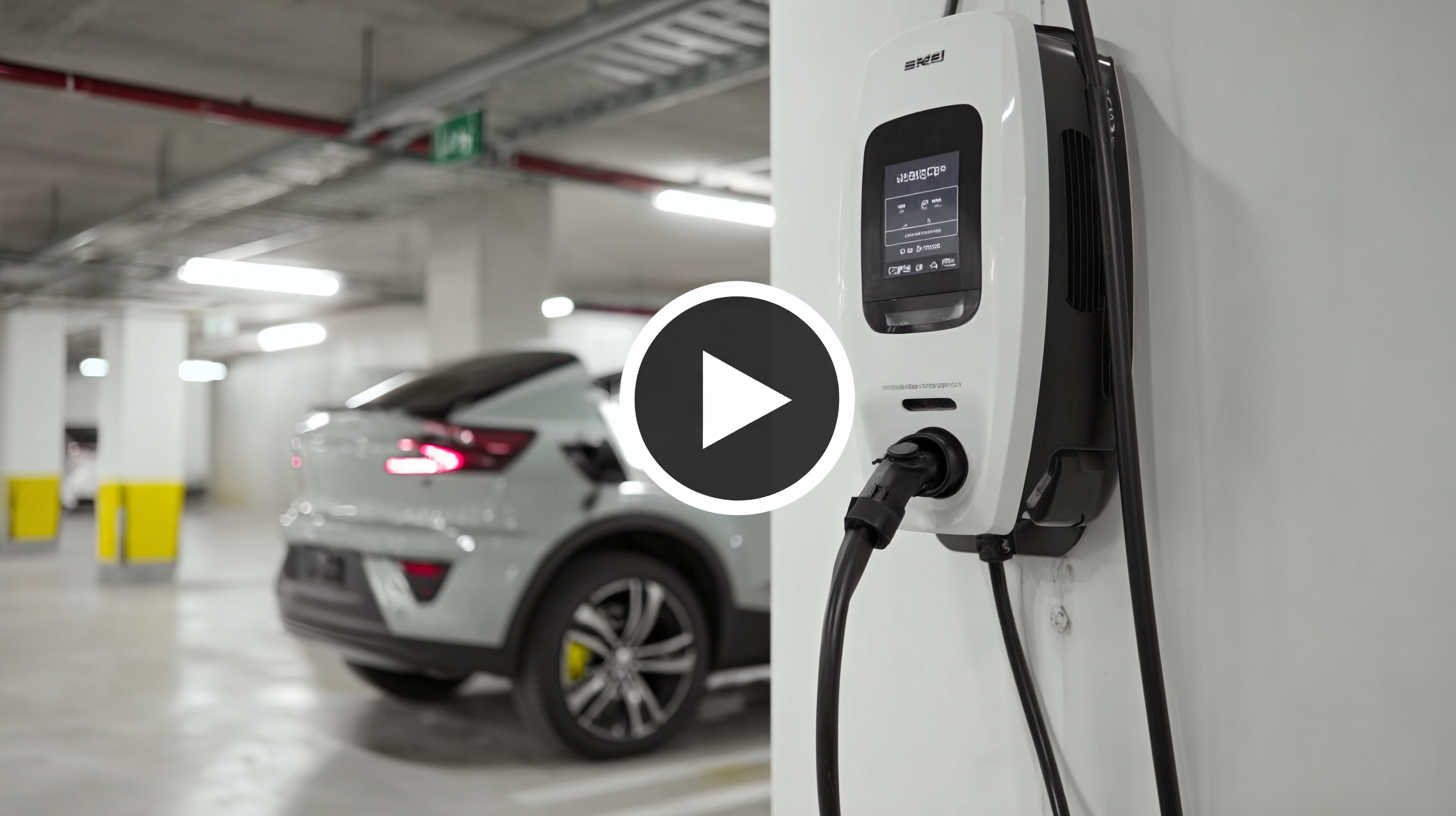
Now, onto the type of charging tech we use. Fast chargers? Definitely a must-have for those highway rest stops, because nobody wants to hang around forever on a long road trip. But in cities, Level 2 chargers might be a better fit since folks can park their cars for a while. Plus, it wouldn't hurt to integrate renewable energy sources, like solar panels – they not only boost sustainability but can also cut down on costs. Let’s not forget about user experience! Making sure payment is a breeze, having clear signs, and giving vehicles enough space can really streamline the whole charging process and encourage more people to switch to EVs.
At the end of the day, teamwork with local governments and other stakeholders is super important if we want to build an efficient charging network. By collaborating with urban planners and public utilities, we can make sure that the charging infrastructure fits seamlessly into city developments and zoning laws. This combined effort really sets the stage for a strong and resilient EV charging ecosystem, which is all about moving towards a more sustainable future!
How to Navigate Regulatory Standards for EV Charging Equipment
You know, figuring out the whole regulatory maze for electric vehicle (EV) charging equipment is super important if we want to see charging stations pop up everywhere. Every country and region has its own rules and standards that can really affect how we install, run, and maintain these chargers. Sticking to these regulations isn’t just about checking off a box; it’s also about keeping everyone safe and making sure the charging stations work smoothly. There are key standards we need to keep an eye on, like electrical safety specs, how different systems talk to each other, and even environmental issues, and these can really differ from one place to another.
To get a handle on all these regulations, folks need to really dive into some solid research and stay engaged with the regulatory bodies. That means keeping up with local and international guidelines, joining industry groups, and working alongside policymakers. Plus, using tech and data can make the compliance process a lot easier. Imagine having a central platform that tracks regulatory changes—this would help manufacturers and operators tweak their practices on the fly and avoid those pesky compliance risks.
And let’s not forget, training programs for technicians and operators on the relevant standards can boost the reliability of the EV charging network and help build public trust in this whole infrastructure. It’s all about working together and sharing knowledge, right?
Best Practices for Integrating Renewable Energy in Charging Solutions
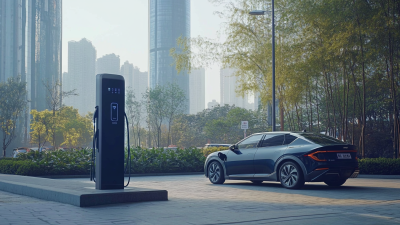
You know, as more people around the world are getting into electric vehicles (EVs), it's becoming super important to integrate renewable energy sources into our charging systems. I mean, using renewables like solar and wind not only helps cut down on greenhouse gas emissions but also makes EV charging stations way more sustainable. Picture this: if charging stations put solar panels on rooftops or carports, they can capture clean energy right there on the spot! This means they can rely less on fossil fuels and save on energy costs. Pretty cool, right?
And there's more to it! Smart grid technology is a game changer when it comes to making the most of renewable energy in these charging solutions. It lets the grid and charging stations chat with each other, so they can manage energy flows like pros—charging cars when there's a peak in renewable energy production. Plus, when you throw in energy storage systems like batteries, any extra energy can be saved and pulled out during peak demand times. This not only means a steady and reliable power supply but also helps create robust charging networks that can flex and adapt to changing energy needs. It’s a win-win for the environment and for all of us!
Optimal AC EV Charging Infrastructure and Renewable Energy Integration
Evaluating Global Market Trends in EV Charging Infrastructure Development
You know, the whole landscape of electric vehicle (EV) charging infrastructure is really changing right now. It’s all about meeting the growing demand for sustainable transport options, and honestly, it’s exciting! With countries aiming for ambitious carbon neutrality goals, building solid networks of EV charging stations is super important. Everyone's jumping in, investing big bucks in public and private charging spots to make sure they can cater to all kinds of drivers. This is a pretty big shift away from the old-school fuel options, moving towards something that's not only better for the environment but also more accessible for folks.
If you take a closer look at the market trends, it’s clear that there's a real focus on smart charging technology. This stuff is all about optimizing energy use and making life easier for users. You’ve got innovations like vehicle-to-grid systems and those handy real-time charging apps popping up everywhere—super useful for keeping track of station availability and cutting costs. Plus, the partnerships between car manufacturers and charging providers are really driving the growth of this infrastructure. They’re helping make sure that the rollout of charging stations matches up with how many vehicles are being produced. This kind of teamwork doesn’t just speed things up; it’s also tackling those annoying worries about running out of juice, making EV ownership a much more appealing choice for people around the globe.
FAQS
: It is crucial for ensuring a successful rollout of charging infrastructure, enhancing safety and efficiency, and ensuring compliance with local and international regulations.
Key regulations often include electrical safety specifications, interoperability requirements, and environmental considerations, which can vary by region.
Stakeholders should prioritize thorough research, engage continually with regulatory bodies, participate in industry associations, and collaborate with policymakers.
Leveraging technology, such as centralized platforms that track regulatory updates, can help manufacturers and operators adjust their practices quickly and minimize compliance risks.
The global market is transforming due to the increasing demand for sustainable transportation, with nations investing in robust charging networks and transitioning to more ecological energy supplies.
Smart charging technologies, including vehicle-to-grid systems and real-time charging apps, are optimizing energy use and enhancing the user experience.
These partnerships foster the expansion of infrastructure, ensuring that charging station rollout aligns with vehicle production and addresses challenges like range anxiety for consumers.
Education and training programs on relevant standards are essential for enhancing the reliability of the EV charging network and fostering public trust.
Ambitious carbon neutrality targets set by nations drive the deployment of robust EV charging networks, making sustainable transportation solutions a priority.
The investment in both public and private charging stations creates a diversified landscape that meets various consumer demands, facilitating the transition from traditional fueling options.