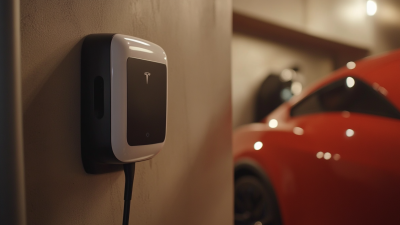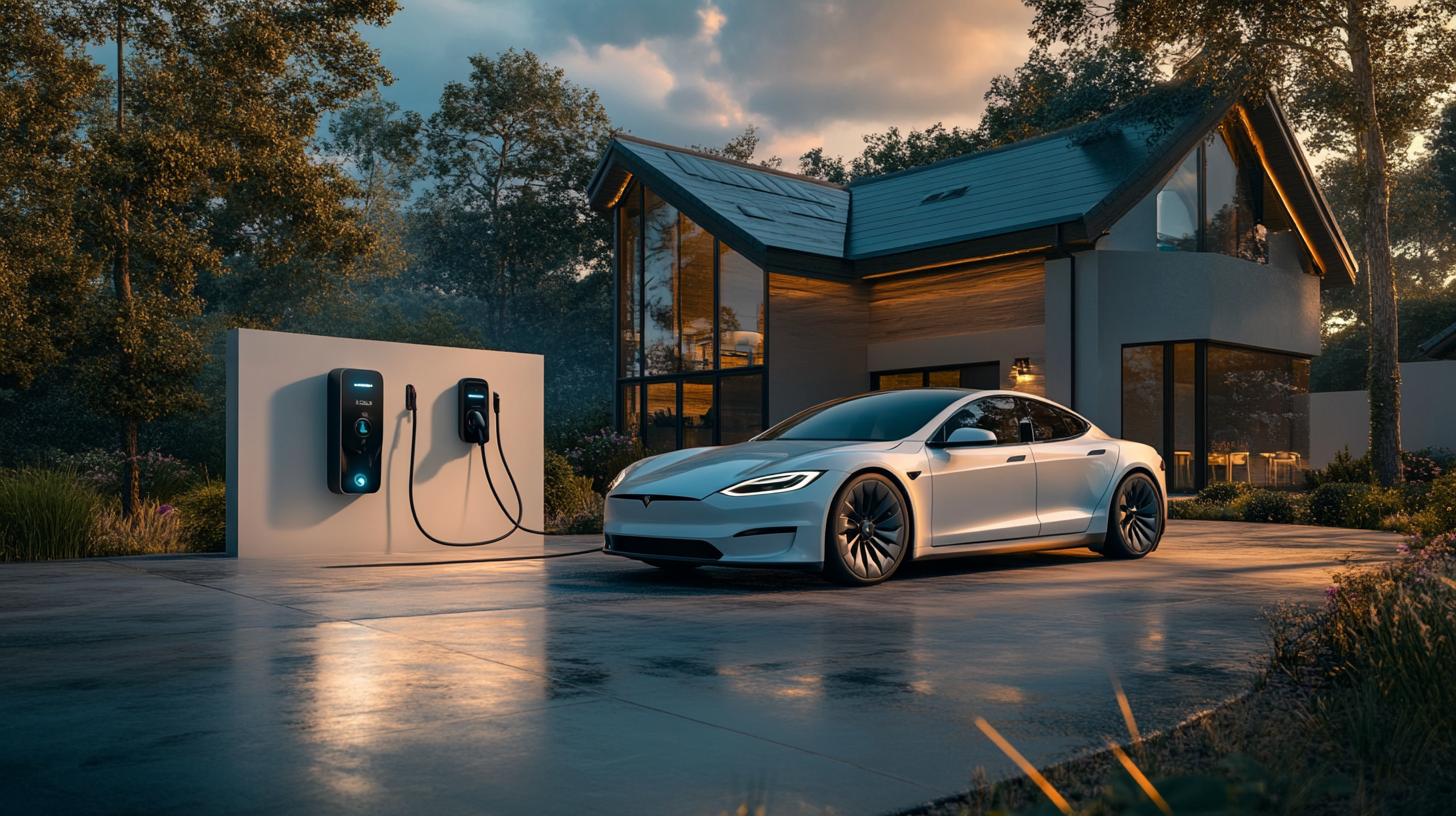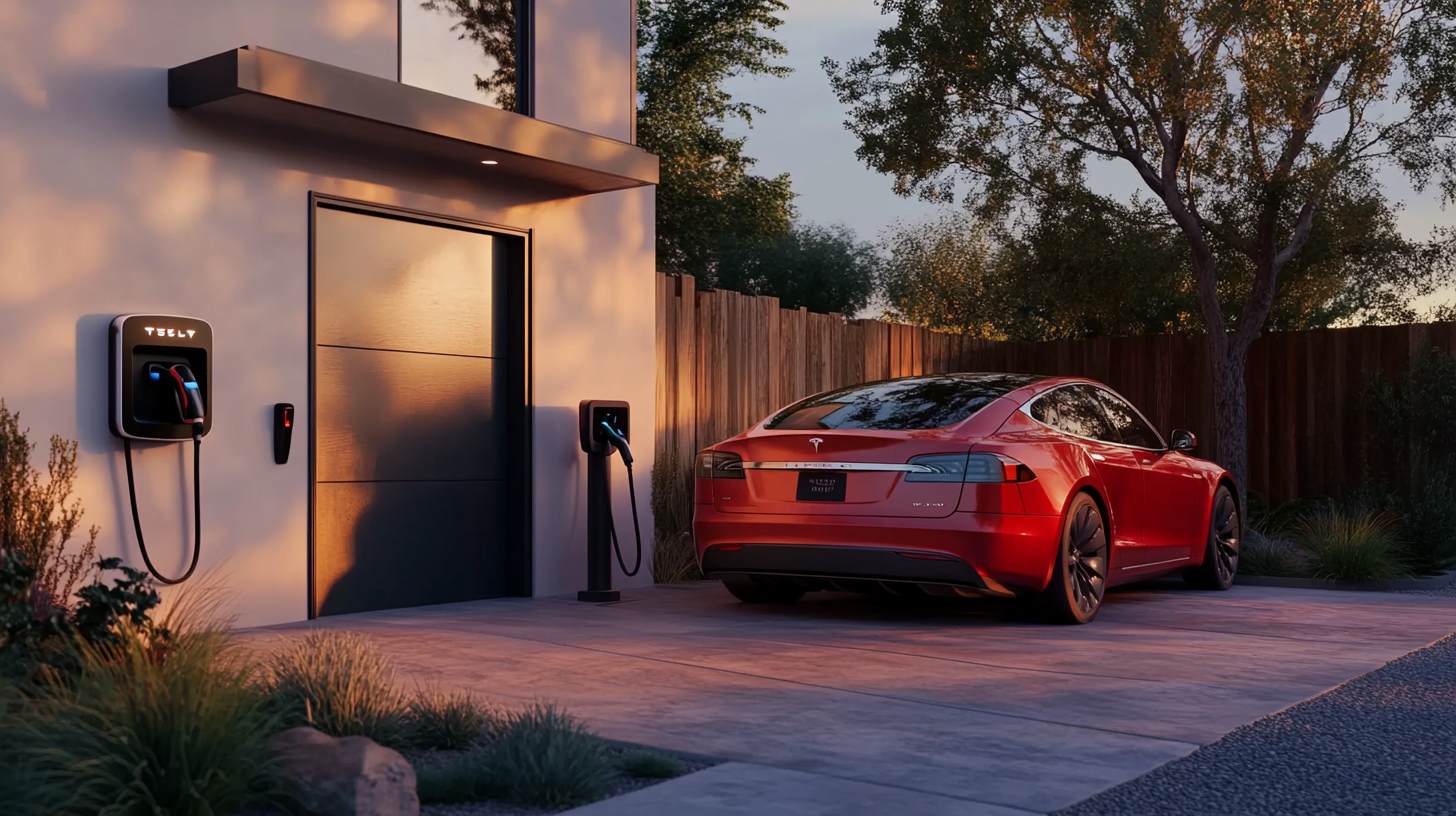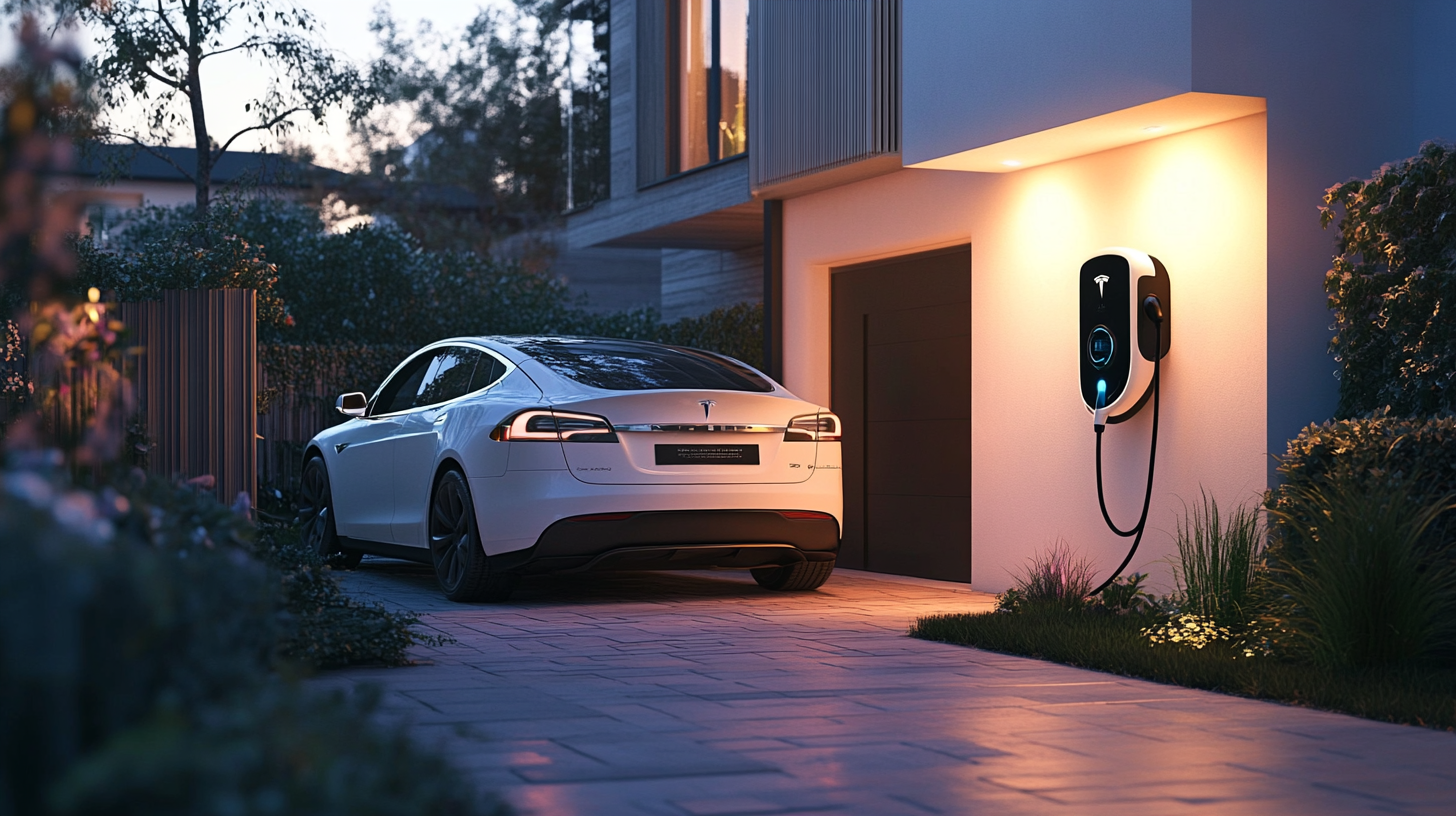
You know, the shift to electric vehicles (EVs) is happening really fast, and it highlights just how crucial those efficient Ev Home Chargersare in the grand scheme of things when we talk about Ev Infrastructure. A recent report from theInternational Energy Agency (IEA) pointed out that by 2020, there were over 10 million electric cars zooming around the globe. And guess what? That number is projected to just keep skyrocketing as more people jump on the EV bandwagon. But here’s the kicker—there are still some major challenges when it comes to installing and certifying these home chargers. We seriously need some clever solutions to make the certification processes smoother and to improve the user experience at home. That’s where TONGXING NEW ENERGY TECHNOLOGY CO., LTD. comes into play. They’ve got a pretty extensive lineup of products, from 3.5kW residential chargers all the way up to 720kW ultra-fast industrial charging stations, and they’re even combining them with photovoltaic (PV) systems and energy storage. The goal? To make everything more efficient and accessible for the everyday person. TONGXING is really aiming to play its part in creating a greener future powered by clean energy.
You know, electric vehicles (EVs) are really taking off! It's crazy to think we might see around 26 million of them sold worldwide by 2025. With that kind of growth, figuring out efficient home charging solutions is super important now more than ever. Some cool new technologies are shaking things up in the EV home charging game, tackling the usual headaches that come with owning an electric car. According to a report from the International Energy Agency, they expect the number of public and private charging points to jump to 18 million by 2025, and a good chunk of those will be dedicated to home charging setups.
At the cutting edge of this change are smart charging systems. These bad boys allow you to monitor and control your charging sessions in real time. Not only do they help you save on energy costs by running during off-peak hours, but they also work beautifully with renewable energy sources, which is a big win for sustainability. A fresh study from Bloomberg New Energy Finance found that by 2025, about half of all new Ev Chargers will come equipped withsmart technology. How great is that? It means lower costs and way more convenience for us!
And let’s not forget about the advancements in ultra-fast charging technology—it’s about to make charging times way shorter. This could really boost the appeal of home charging for anyone considering making the switch to an EV. With all these innovative changes, home charging for EVs is on the brink of a major overhaul, matching the demand for cleaner and more efficient energy solutions. It’s an exciting time!
You know, as more and more folks are jumping on the electric vehicle (EV) bandwagon, we’re really starting to see the hiccups in our Charging Infrastructure. It’s pretty wild — back in 2020, a report from the International Energy Agency (IEA) said there were around 10 million electric cars on the road, and they’re predicting that number will skyrocket to 145 million by 2030. But here’s the catch: our current setup just can’t keep up. A recent study pointed out that a whopping 80% of EV drivers are worried about charging station availability, and this issue gets even trickier in rural areas where options are super limited.
So, how do we tackle these challenges? Well, we really need to think outside the box. One way is to grow the charging network by teaming up with local businesses and municipalities. This can create more access points and help ease that nagging range anxiety a lot of drivers feel. Picture this: if we add charging stations at shopping malls or public parking lots, it makes life a lot easier for EV owners and encourages greener habits too!
Plus, let’s not overlook how crucial it is to invest in fast-charging tech. According to the U.S. Department of Energy, while over 70% of charging happens at home, those fast chargers are key for anyone planning to hit the road for a long trip. Having ultra-fast charging stations can really cut down on wait times and make EVs a more appealing choice for those longer journeys. If we can tackle these issues head-on, we’re well on our way to speeding up the shift to electric vehicles and building a cleaner, more sustainable future for everyone.
| Challenge | Description | Proposed Solution | Impact of Solution |
|---|---|---|---|
| Insufficient Charging Stations | Limited number of charging stations leading to range anxiety. | Increase investment in public charging infrastructure. | Enhances accessibility and encourages EV adoption. |
| Grid Capacity Issues | Overloading of the electrical grid during peak charging times. | Implement smart grid technologies and demand response systems. | Balances load and optimizes energy usage. |
| Charging Speed | Slow charging times deter potential EV users. | Develop and deploy ultra-fast charging technologies. | Reduces downtime and improves user experience. |
| Interoperability Issues | Different charging standards create confusion and limit options. | Standardize charging protocols across manufacturers. | Facilitates ease of use and compatibility for users. |
| Cost of Installation | High costs associated with home charging station installation. | Government incentives and grants for home charger installations. | Encourages more people to adopt EVs. |
You know, with the rising popularity of electric vehicles (EVs), we’re not just seeing a cool change in the way we get around; we're also facing some real challenges when it comes to charging, especially at home. But here’s the good news: smart charging solutions that make use of the Internet of Things (IoT) are stepping in to really enhance our home charging experience. A recent report from the International Energy Agency (IEA) even predicts that by 2030, around 145 million EVs will be cruising down our roads, which definitely calls for some innovative charging solutions to keep up with all this growth.
So, how does this work? Well, IoT technology connects our smart devices so we can monitor and optimize the charging process in real-time. That means we can use data analytics to manage our energy use better, like scheduling charging during those off-peak hours to save some bucks and make the most of renewable energy sources. According to a study by McKinsey, by getting smart with our charging, EV owners could see up to a 30% drop in their electricity costs. How great is that? Plus, with remote control features, we can even get notifications about our charging status, making it super convenient and giving us that extra peace of mind.
You know, blending renewable energy sources into home charging systems for electric vehicles (EVs) is honestly a game-changer for the whole EV infrastructure. It really helps tackle a lot of the problems we face with traditional charging methods. With more and more folks jumping on the EV bandwagon—like it's predicted that by 2030, EV sales could hit about 30% of all car sales worldwide, according to the International Energy Agency—finding sustainable and efficient ways to charge is super important right now. Using solar panels or wind energy at home doesn't just lessen our dependence on the power grid, but it can also really help EV owners save some cash down the line.
Tip: Seriously think about setting up a solar energy system for your home. Not only can it juice up your electric vehicle, but if you generate more energy than you use, you can even sell the extra back to the grid. That's pretty cool, right?
Plus, there are these smart chargers popping up that can really shake things up. They adjust when your car charges based on the best times for energy supply and cost. And if you add battery storage to the mix? You can really maximize your energy efficiency, charging your EV when energy is cheapest or when there's a lot of renewable energy being produced. Some reports even say that smart charging could lower energy bills by as much as 30%! (Thanks, U.S. Department of Energy!) It’s definitely a key piece for powering the future of transportation sustainably.
Tip: Keep an eye out for charging stations that work well with home energy management systems. They give you real-time data on how much energy you’re using, which helps you make smarter choices that are good for the planet and your wallet.
Looking ahead to 2025, it’s pretty clear that the world of home EV chargers is going to change a lot. Thanks to all the tech advancements and shifts in the market, we’re going to see a wave of new options. As electric vehicles (EVs) get cheaper and more people start buying them, there's going to be a big uptick in the need for smart and easy home charging solutions. You know that one big thing that worries a lot of new EV owners? Yup, it's range anxiety. But with exciting innovations like high-voltage and high-current charging tech, those fast charging times are going to help tackle that issue.
Plus, we're about to see smart technology really turn things around for homeowners. Imagine having flexible charging options along with cool features like vehicle-to-grid (V2G) technology. Not only will this make charging a breeze, but it’ll also let homeowners play a part in feeding energy back into the grid. This whole shift towards smart infrastructure fits nicely with the push for renewable energy and will turn home charging into a key piece of energy management. By 2025, I think we can all agree that EV home chargers are set to be way more user-friendly, super efficient, and really in tune with those green energy goals.
: Key emerging technologies include smart charging systems that offer real-time monitoring and control, ultra-fast charging technology that reduces charging times, and the integration of renewable energy sources.
It is estimated that 26 million electric vehicles will be sold globally by 2025.
A significant portion of the projected 18 million global charging points will be dedicated to home charging solutions.
Smart charging systems optimize energy usage during off-peak times and integrate with renewable energy sources, which enhances sustainability and convenience for users.
Over 80% of EV owners express concerns about the availability of charging stations, particularly in rural areas where access is limited.
Ultra-fast charging stations are expected to significantly reduce charging times, making EVs more convenient for long journeys and increasing their appeal.
Expanding the charging network through partnerships with local businesses and municipalities can enhance access points and reduce range anxiety for drivers.
Future trends include the increasing affordability of EVs, high-voltage and high-current charging technologies, and the integration of smart technology and vehicle-to-grid systems, making home charging more efficient and user-friendly.
Fast charging technology is crucial for long-distance travel as the majority of EV charging occurs at home, but fast chargers provide essential support for extending driving ranges.
Smart technology will offer flexible charging options and enable homeowners to contribute to the energy grid, enhancing the overall convenience and effectiveness of home charging solutions.