Leave Your Message
You know, as electric vehicles (EVs) become more popular in the car world, having a solid Home Car Charging Station is really important. A recent report from the International Energy Agency (IEA) says that by 2030, we could see over 145 million EVs cruising around the globe. That’s a lot of cars needing a place to charge! So, if you're a homeowner thinking about diving into the electric future, picking the right Home Charging Station is key. It’s not just about convenience; it’s also about getting the fastest charging speeds and managing your energy efficiently.
TONGXING NEW ENERGY TECHNOLOGY CO., LTD. is leading the pack in this changing scene, offering a range of products that meet different needs. They’ve got everything from 3.5kW residential chargers to ultra-fast 720kW charging stations that are pretty impressive. Plus, if you throw in some photovoltaic (PV) systems and energy storage setups, you can really make the most of your home charging experience. It’s all about harnessing that renewable energy while keeping your charging smooth and efficient. As home charging evolves, getting to grips with what to look for in the best Home Car Charging Station will help you make choices that really fit your energy needs and lifestyle. It’s exciting stuff!
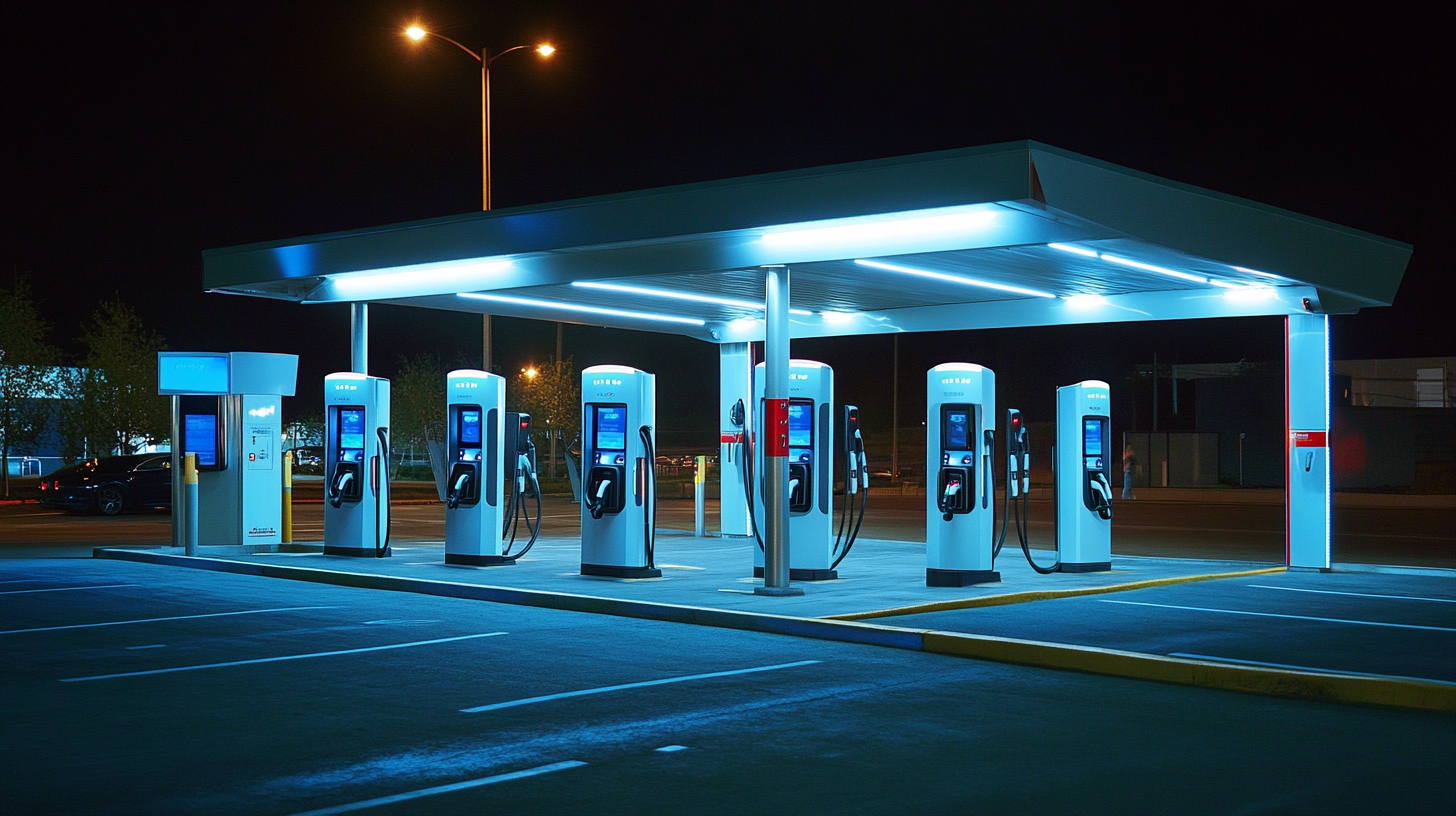
Choosing the right home car charging station can feel a bit overwhelming, right? There are actually three main types out there: Level 1, Level 2, and then there’s the lightning-fast DC Fast Charging stations. Each one has its own benefits and speeds, which can really change how you experience owning an electric vehicle (EV).
Let’s break it down. Level 1 chargers plug into a standard 120-volt outlet and can give you about 4 to 5 miles of range for every hour you charge. It’s a pretty affordable option—perfect if you’ve got a plug-in hybrid or you only occasionally use an EV. But if you're driving daily, especially with a long commute, this might not cut it for you. Fun fact: around 80% of EV owners in the U.S. go for a Level 2 charger because they want that extra boost in charging speed.
Now, moving on to Level 2 chargers. These ones run on a 240-volt outlet and can offer anywhere between 10 to 60 miles of range each hour, depending on your car and the specific charger. That’s why they’ve become super popular! They strike a nice balance between cost and performance. A study by the International Council on Clean Transportation actually showed that having Level 2 chargers at home can lower your charging costs and just make owning an electric vehicle way more convenient.
And then, you’ve got the DC Fast Charging stations, which are the sprinters of the group, letting you charge up to 80% in about half an hour! But heads up—they usually need special equipment and a dedicated electrical setup, making them pretty rare for home use.
So, knowing the differences between these home charging stations can really help you decide what works best for your lifestyle and your car. It’s all about finding the right fit for your needs!
So, if you’re on the hunt for the perfect home car charging station, there are a few key things you really should think about. First up, we can’t ignore the charging speed—this is pretty much all about the power output of the station. If you’re someone who drives an electric vehicle regularly, it’s definitely worth getting a higher voltage Level 2 charger. It'll really speed things up and make your life a whole lot easier. And let’s be real, as more folks hop on the electric vehicle bandwagon, having fast chargers at home is becoming a must-have.
Another point to consider is compatibility. It’s super important to check if the charging station works with your specific vehicle brand and model. A lot of stations come with these universal connectors, but trust me—making sure it fits your ride before you buy can save you a lot of headaches down the line.
And don’t forget about the installation process and exactly where you’re gonna put it. A charging station that’s straightforward to set up and situated conveniently at home can really make a difference. Think about how close it is to your parking spot and if you have the electrical setup to support it. With governments all over the world pushing for stronger support for electric vehicles, investing in a reliable home charging solution isn't just smart; it's a big step towards helping out with a sustainable future.
| Feature | Description | Importance |
|---|---|---|
| Charging Speed | The rate at which the charging station can charge your vehicle. | High |
| Compatibility | Ensures the charger works with various EV models and types. | Critical |
| Installation Requirements | Details the electrical and spatial needs for setup. | Moderate |
| Safety Features | Includes protections against overcharging, short-circuits, etc. | High |
| Cost | The price of the station, including installation fees. | Moderate |
So, when you're picking out a home charging station for your electric car, it’s super important to think about how fast it charges and how much power it puts out. The charging speed really comes down to the station’s power output, usually measured in kilowatts (kW). Basically, the higher the kW, the quicker you can charge your car. This is especially a big deal if you’re always on the go and don’t have hours to wait around for your vehicle to juice up. Thankfully, as more folks are driving EVs, a lot of charging stations are set up for fast charging now, meaning you can top off your battery way faster than the regular Home Chargers.
But wait, there’s more! You also need to make sure that the charging station is compatible with your specific EV model since different cars have different charging needs. Plus, with the growth of sturdy Ev Charging Networks, you’ve got opportunities to find public fast charging stations that lessen your need to only rely on home charging. Still, having a solid home charger that packs enough power not only gives you the ease of charging at home but also helps you make the most of your car every day. And as things keep changing in the charging world, it’s worth keeping an eye out for cool advancements, like using renewable energy sources in the charging systems – that's something that could boost both your power output and keep things sustainable too!
Alright, so if you're thinking about installing a home car charging station, it’s super important to understand what’s involved in the whole setup. This is especially true considering some of the recent hiccups in residential areas. Take gated communities in India, for instance. They often have restrictions on putting in Ev Charging Points because of safety concerns and worries that the infrastructure just isn't up to snuff. These kinds of rules can really slow down the switch to electric vehicles (EVs), which is why checking out community regulations before diving into an installation is key.
On the flip side, in other parts of the world, there’s some pretty exciting stuff happening to make home EV charging easier. For example, California is rolling out new building codes that will require Ev Chargers in most new homes starting in 2026. This is a big deal and shows a forward-thinking approach to combining EV infrastructure with housing development. It not only meets the rising demand for charging but also nudges everyone towards greener transportation.
Plus, there are programs like the Electric Vehicle Home Charger Grant that give homeowners some financial help if they want to install charging stations. This really takes a bit of the sting out of the initial costs. And by knowing all the options out there—from free installations that companies like Ford might be offering to various government grants—homeowners can feel more equipped to make smart choices about their charging setups. It’s clear that, with the right info and support, navigating the ins and outs of home charging station installations can truly help pave the way for a greener, electric future.
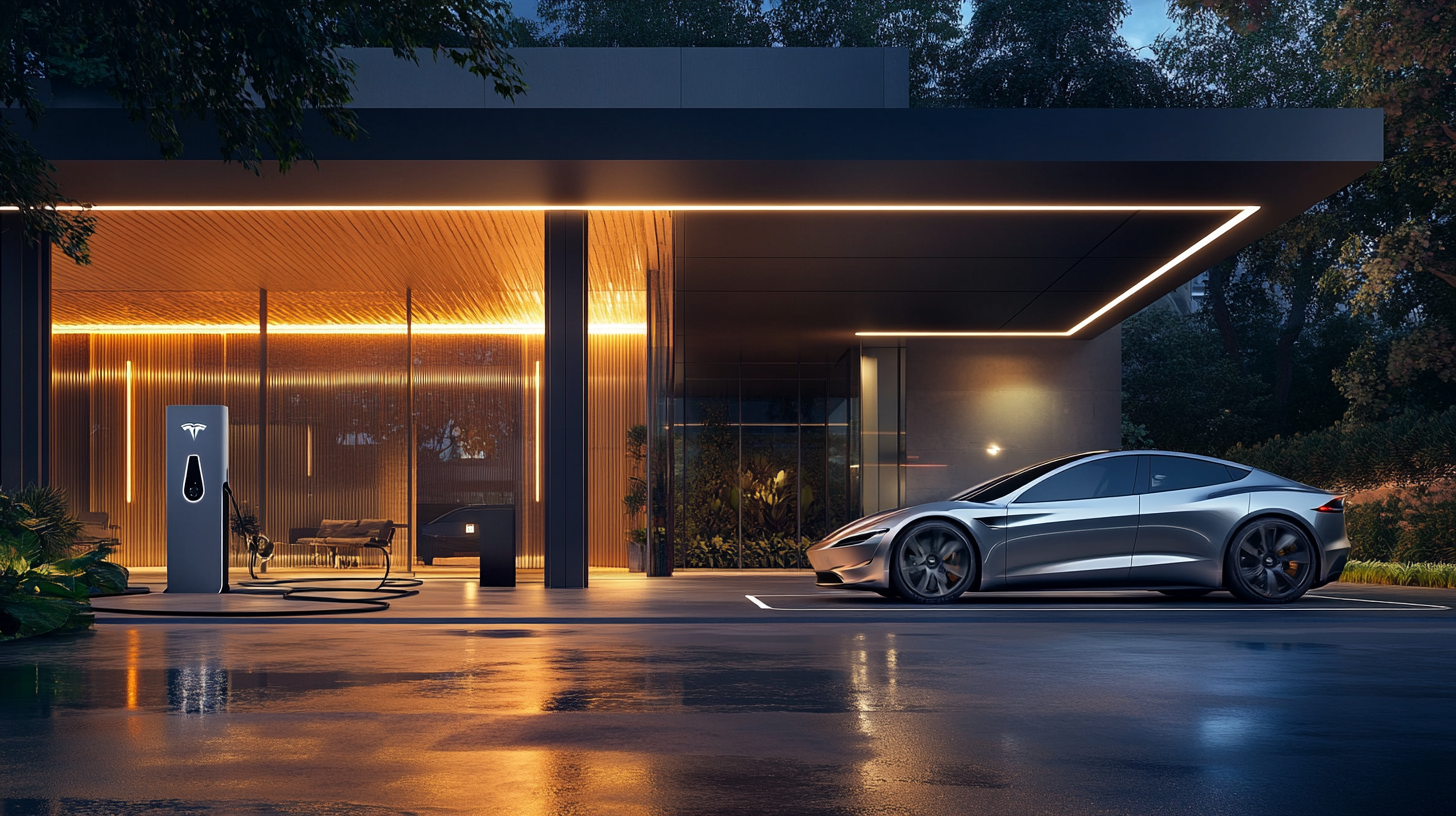
When you’re picking a home car charging station, adding some smart features can really level up your charging game. One of the big things to think about is how the charger connects. It’s super handy to find chargers that have Wi-Fi or Bluetooth options. That way, you can keep an eye on things right from your smartphone. You’ll get real-time updates on how your charging is going, notifications when it’s done, and even alerts if something seems off.
Another important feature to look for is the ability to schedule your charging. A lot of the more advanced stations let you set specific times for charging, which is awesome if you want to save some cash by tapping into those lower electricity rates during off-peak times. This not only helps you save a few bucks but also eases the load on the electrical grid when everyone else is charging up.
Also, think about chargers that can be part of your smart home setup. If it works with platforms like Amazon Alexa or Google Assistant, you can just use your voice to start or stop your charging—how cool is that? No need to fuss with the device itself.
And don’t overlook smart diagnostics and energy monitoring features. Chargers with these capabilities can give you a peek into your energy usage patterns. That info can help you make better choices about how and when you charge, leading to smarter habits and a little more sustainability at home.
When you're thinking about home charging stations for your car, safety is super important, right? A recent survey from the Electrical Safety Foundation International (ESFI) found that more than half of American homes just aren’t set up to support electric vehicle (EV) charging safely. That’s a bit scary! It’s not just about how fast your car can charge; it’s also about avoiding some serious electrical hazards. So, for homeowners, it's crucial to make sure your electrical systems are ready to handle those continuous loads when charging your EV to keep everything safe.
And let’s not forget about those alarming incidents, like that massive fire caused by a Tesla parked in a garage in Miami Springs. It really highlights just how vital proper installation and safety precautions are. Experts suggest taking a good look at the fire safety and electrical capacity of charging stations—especially if you live in an older home. Installing charging systems that meet current safety guidelines can save you from worrying about potential fires and give you peace of mind as an EV owner.
On top of all that, electric vehicles are becoming more and more popular, which means the need for reliable home charging systems is skyrocketing! A recent pilot program from the NYC Department of Transportation on public e-bike charging has shown us how the right installation and usage strategies can really boost safety and efficiency in cities. By being proactive and making sure that home charging stations adhere to safety regulations, homeowners can enjoy all the perks of their electric vehicles without compromising on safety.
So, when you're on the hunt for the perfect home car charging station, one of the biggest things to think about is the cost. The setup can range widely based on stuff like how fast it can charge, how tricky it is to install, and any extra features it might have. Sure, the top-of-the-line models often come with a hefty price tag upfront, but don’t forget to look at the long-term savings they could bring. It’s kind of like how AI helps out with cost efficiency—pick the right charging station, and you could end up saving a ton over time.
It might be smart to do a little cost-benefit analysis (CBA) to really size up your options. This is just a fancy way of saying you'll compare what you’ll spend on things like installing it and your electricity bill against the perks, like saving time and cutting down on gas expenses. By keeping an eye on both those immediate costs and future savings, you can make a choice that works not just for your wallet right now, but also helps you save a bunch on energy bills later.
Plus, putting money into energy-efficient charging solutions can pay off in a big way—kind of like how solar panels can help you save over time. As tech keeps getting better, smart charging features are showing up, letting you optimize when you use that electricity, especially during those off-peak hours. So, yeah, while that initial cost might seem a bit scary, the potential for long-term savings makes it totally worth a second look if you own an electric vehicle.
So, when you're trying to pick out a home car charging station, it's really helpful to dive into user reviews and recommendations. Honestly, with all the options out there these days, it can feel pretty overwhelming! That's why leaning on the experiences of others who’ve already gone through this can be a game changer. These reviews usually cover some key things like charging speed, how compatible different models are with various electric vehicles, and how tricky or easy they are to install. This info gives you a better idea of what to expect from each option.
One major thing to keep in mind is the charging speed. A lot of folks rave about the differences between Level 1 and Level 2 chargers, and it looks like Level 2 is the winner for anyone wanting to cut down on their charging time. Plus, it’s super important to check compatibility with your specific electric vehicle because that can really affect how satisfied you are. That’s why you’ll find plenty of reviews that clue you in on which charging stations work well with specific car brands.
User feedback is also super helpful when it comes to the installation process, which can range from a breeze to quite complicated. Some models claim they’re easy enough to set up yourself, while others might need a pro to handle the installation. Hearing real experiences from users can help you figure out if a certain station will fit nicely into your home or if you'll need to do a bit of tinkering. Their insights are really invaluable in making the right choice!
In the rapidly evolving automotive landscape, electric vehicles (EVs) are becoming the norm rather than the exception. As the market continues to expand, the need for effective charging solutions has never been more pressing. The emergence of high-powered wall-mounted AC EV chargers with capacities of 7Kw, 11Kw, and 22Kw offers an innovative approach to meeting the demands of modern EV owners. A recent report by the International Energy Agency (IEA) indicated that global electric car stock reached over 10 million in 2020, a clear indication of the growing reliance on EVs and the need for efficient charging infrastructure.
The ultimate wall-mounted AC EV charger stands out with its high-power charging capability, supporting output power of up to 22Kw. This feature is essential for users needing fast and efficient charging, allowing electric vehicles to charge significantly quicker than traditional alternatives. According to a study by Navigant Research, EV charging time can be reduced by up to 50% with the use of high-power chargers, making it an attractive option for busy drivers who need to maximize their time.
In addition to its impressive power capabilities, this charger offers customizable functions, enabling users to tailor their charging experience to suit specific needs and preferences. Compatibility is also a significant advantage, as the charger integrates seamlessly with various OCPP platform operators, ensuring accessibility across multiple systems and networks.
Safety is a top priority for any electrical device, and this charger excels in that regard. With an IP55 protection grade, it is designed to withstand exposure to dust and water, ensuring reliable operation in diverse environments. Moreover, its compliance with international safety standards, such as CE, CB, TUV, and UKCA, guarantees consumers can charge their vehicles with peace of mind, backed by data-driven assurance of quality and reliability.
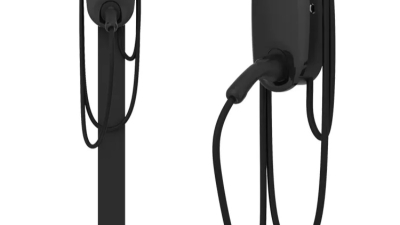
Type 2 AC EV Charger 7Kw 11Kw 22Kw Wallbox Electric Vehicle Fast Charging Pile Wall-mounted Electric Car AC EV Charging Station
: Key smart features include Wi-Fi or Bluetooth connectivity for monitoring via smartphone, scheduling and timer functions to take advantage of lower electricity rates, integration with smart home systems for voice control, and smart diagnostics for energy monitoring.
Smart connectivity allows you to monitor and control the charging process from your smartphone, providing real-time updates on charging status, notifications for completion, and alerts about potential issues.
Scheduling charging times can help you take advantage of lower electricity rates during off-peak hours, contribute to cost savings, and reduce strain on the electrical grid during peak demand times.
Yes, many advanced charging stations are compatible with platforms like Amazon Alexa or Google Assistant, allowing for seamless voice control to start or stop charging sessions.
Energy monitoring provides insights into consumption patterns, helping users make informed decisions about energy use, promote sustainable practices, and develop more efficient charging habits.
Consider factors such as charging speed, installation complexity, and additional features that may affect the upfront cost, but also evaluate the long-term savings potential.
Conducting a cost-benefit analysis involves comparing projected costs like installation and electricity usage against benefits such as time savings and reductions in fuel costs, which can guide informed decision-making.
While premium models may have higher initial costs, they can offer long-term savings and benefits, making them a worthwhile consideration for electric vehicle owners.
Investing in energy-efficient charging solutions allows users to optimize electricity consumption during off-peak hours, similar to savings generated from solar panels, leading to additional cost efficiency over time.