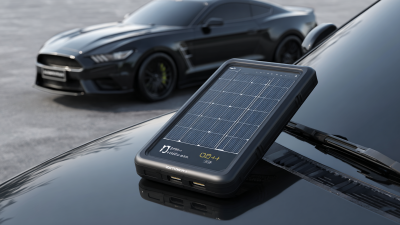
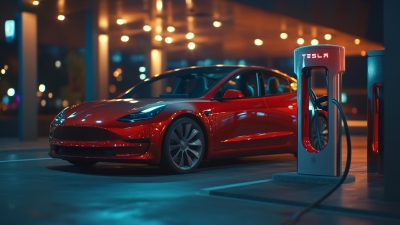
As the global electric vehicle (EV) market keeps growing like crazy, it’s no surprise that the demand for cool, innovative charging solutions—like our Solar Car Charger—is skyrocketing. According to Bloomberg New Energy Finance, they’re saying there’ll be around 300 million electric cars on the roads by 2040. That’s a huge jump and really fuels the need for more accessible and eco-friendly charging options. At TONGXING NEW ENERGY TECHNOLOGY CO., LTD., we’re stepping up to this challenge with a pretty diverse lineup—from simple 3.5kW chargers for home use all the way up to massive 720kW ultra-fast charging stations for industrial needs. Our combined photovoltaic (PV) and energy storage solutions don’t just make charging more efficient; they also support global efforts to push renewable energy forward. Thanks to solid manufacturing facilities in China, we’re well-equipped to serve both everyday consumers and businesses looking for reliable, green charging options in this rapidly expanding EV world.

Exceptional Manufacturing Standards of Chinese Factories in Solar Technology
China has really made a name for itself as a major player in solar tech. Their factories stick to insanely high manufacturing standards, setting the bar pretty much everywhere. In fact, a report from the International Energy Agency mentioned that back in 2020, China was responsible for about 75% of all the solar photovoltaic (PV) modules made worldwide. And it’s not just about how much they produce; the quality is top-notch too. Many Chinese manufacturers have upped their game with advanced automation and strict quality checks. Companies like Trina Solar and JinkoSolar, for example, are often praised for their high-efficiency solar panels — which are super important when it comes to powering cool stuff like solar car chargers.
What really shows China’s dedication to staying on top is their heavy investment in research and development. A study from the National Renewable Energy Laboratory pointed out that a lot of the improvements in solar cell efficiency come from Chinese innovation. This has led to prices dropping a ton, all while performance keeps getting better. As electric vehicles get more popular, the idea of combining solar tech with car chargers is a win-win — it’s eco-friendly, and it highlights just how good Chinese factories are at making reliable, high-quality products. Basically, when you look at solar car chargers and other solar gear, you can count on them lasting a while, thanks to the high standards set by Chinese manufacturers in this industry.
Key Benefits of Solar Car Chargers for Eco-Friendly Driving
You know, it's pretty exciting to see more and more people jumping on the solar car charger bandwagon. It’s like a clear sign that folks are seriously into greener, more eco-friendly ways to keep their cars powered. I read a report from the International Energy Agency that says by 2020, there were over 10 million electric vehicles out there — and if policies keep favorable, that number could skyrocket to over 145 million by 2030. Crazy, right? Solar chargers are such a smart way to cut down on the carbon footprint of EVs, using renewable energy to charge up and reducing our dependence on old-school fossil fuels.
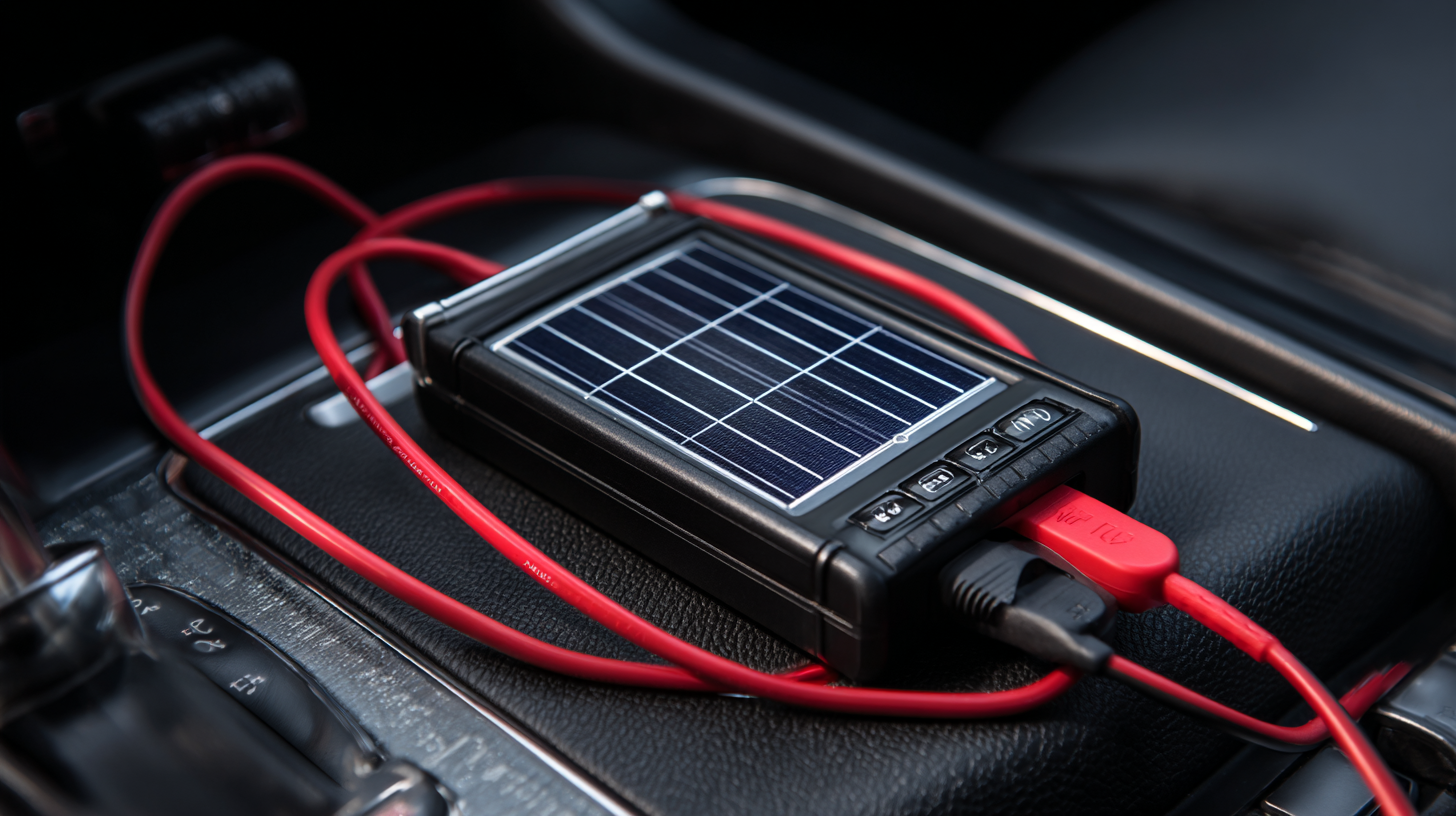
One of the coolest perks? The money you can save. The National Renewable Energy Laboratory pointed out that charging with solar could slash costs by up to 95% compared to regular electricity. Plus, these solar chargers are pretty much independent — so even if you're way out in no-man’s land with no power outlets around, you can still top off your EV. And with the clean energy market booming, Chinese manufacturers are really stepping up their game, cranking out durable, efficient solar chargers. It’s like having reliable, eco-friendly charging at your fingertips — making sustainable driving not just a dream but totally doable.
Innovative Materials and Technologies in Solar Charger Production
When it comes to making solar car chargers better, innovative materials and new tech are absolutely game-changers. Lately, I’ve been keeping an eye on perovskite solar cells — and wow, they really have the potential to shake things up. These little guys are not only more efficient but also cheaper to produce. Some studies show they can hit efficiencies over 25%, which is a noticeable jump from traditional silicon panels, usually maxing out around 22%. That’s a pretty big deal because it means better performance and lower costs—talk about a win-win. It’s exciting to think that this tech could really change the game for solar chargers in the near future.
Plus, there’s been a lot of buzz about recycling solar panel materials, and honestly, it’s pretty fascinating. The industry is leaning into a more sustainable circular economy, with methods like patented thermo-mechanical recycling that help recover valuable raw materials and cut down on waste. Of course, recycling silicon panels isn’t without its challenges — but there’s definitely a lot of room for improvement and growth. As solar technology keeps expanding worldwide, embracing these cutting-edge materials and smarter recycling methods will be key to meeting our energy needs in an eco-friendly way. All in all, these advances point to a bright future for solar car chargers and their role in clean energy. It’s kind of inspiring, right?
Comparative Analysis: Chinese Solar Car Chargers vs. Global Competitors
In the fast-changing world of renewable energy, solar car chargers are really becoming a must-have for eco-conscious drivers out there. When you compare Chinese-made solar chargers to their international counterparts, you quickly notice some pretty big differences in how efficient they are, their design, and especially the price. Chinese manufacturers have really built a solid reputation for making high-quality chargers, often leveraging the latest tech and innovative materials that boost performance. Plus, their prices are often pretty competitive, which makes them super appealing if you're looking for good value without skimping on quality.

Looking at the global scene, it's clear that many international brands are having a tough time keeping up with China's pace — both in tech and pricing. Sure, European and American brands might shine in branding and customer support, but when it comes to actual production power and cost-effectiveness, they often fall behind their Chinese rivals. And what really gives Chinese factories the edge is their ability to scale up quickly, which means they can respond faster to market trends and what consumers want. As more people become eco-conscious and sustainability becomes a bigger factor in buying decisions, it looks like Chinese manufacturers are set to lead the pack in solar car charging solutions.
The Future of Renewable Energy Solutions in Automotive Industries
So, as the auto world shifts more and more towards electric vehicles, it’s pretty clear that renewable energy solutions are becoming absolutely vital. Honestly, with predictions suggesting that global EV sales could hit over 17 million units by 2024, everyone’s paying close attention to battery tech — making sure it’s sustainable and up to the challenge. Battery Energy Storage Systems, or BESS for short, especially those using cutting-edge lithium-ion tech, are playing a huge role here. They’re crucial for delivering the energy efficiency and eco-friendliness that the EV market really needs right now. Plus, there’s this exciting trend of giving old EV batteries a second life — which could really boost how sustainably we use energy and open new doors for renewable energy projects.
And you know, China’s manufacturing power plays a big part in all this. Companies like TONGXING NEW ENERGY TECHNOLOGY CO., LTD. are really leading the charge by offering a wide range of charging stations — from small 3.5 kW Home Chargers to massive 720 kW industrial setups. They’re not just focusing on charging, either; they’re also mixing in integrated solar panels and energy storage systems, making their solutions a real backbone for a greener future. And as the world pushes harder to cut carbon emissions, we’re also seeing innovative stuff like hydrogen energy systems and green hydrogen strategies take off — especially in markets like India, showing just how important renewable resources are for shaping the future of cars and energy alike.
Sustainability and the Role of Chinese Factories in Global Supply Chains
You know, Chinese factories are more crucial than ever when it comes to global supply chains, especially now that companies are really focusing on being sustainable and resilient. I mean, China accounts for nearly 30% of the world's manufacturing output — it’s pretty impressive! They’re leading the way with new tech, like Industry 4.0 tools, which are helping them go greener — cutting down energy usage, reducing waste, you name it. It’s not just about improving their own operations; they’re actually setting the standard for supply chain efficiency everywhere.
With all the disruptions happening lately, it’s no surprise that over 89% of organizations see supply chain issues as a serious threat to their growth. Because of that, experts are saying it’s super important for companies to work closely with Chinese manufacturers. Building those relationships can really help improve how companies collaborate on sustainable practices — which is pretty essential, given how unpredictable the market's gotten. I came across a study about electronics supply chains that shows companies using digital tech are actually more sustainable and better at bouncing back from setbacks.
A little tip — when you're choosing suppliers, go for those who genuinely care about sustainability. And don’t forget, regularly review your supply chain; it’s a good way to spot areas where you can do better. Oh, and keep an eye on new tech that can make your operations more efficient and eco-friendly — it might just give you a competitive edge.
Global Supply from Strong Factories in China for the Best Solar Car Charger
| Factory Location | Production Capacity (Units/Month) | Sustainability Practices | Certifications | Export Markets |
| Shenzhen | 50,000 | Solar Panels Recyclable Materials | ISO 14001 | North America, Europe |
| Hangzhou | 30,000 | Reduction of Waste Emissions | ISO 50001 | Austrailia, Asia |
| Guangzhou | 70,000 | Energy Efficient Manufacturing | CE, RoHS | Europe, Middle East |
| Suzhou | 40,000 | Use of Renewable Energy | ISO 9001 | North America, Asia |
FAQS
: Solar car chargers provide significant cost savings, with potential reductions in charging costs by up to 95% compared to conventional electricity rates. They also enable charging in remote locations without access to traditional power sources.
Projections suggest that the number of electric vehicles could exceed 145 million by 2030 if favorable policies are implemented.
Innovative materials, such as perovskite solar cells, are driving advancements in solar energy, showing enhanced efficiency (over 25%) and cost-effectiveness compared to traditional silicon-based panels.
Recycling of solar panel materials supports a sustainable circular economy by recovering valuable raw materials and mitigating waste, thus enhancing environmental responsibility in the industry.
Yes, as the demand for solar technology increases globally, manufacturers are ramping up production of solar chargers, improving access to reliable and efficient solutions for sustainable driving practices.
Yes, solar car chargers have the capability to function independently, allowing drivers to recharge their electric vehicles even in areas where traditional power sources are unavailable.
Perovskite solar cells can achieve efficiencies exceeding 25%, whereas traditional silicon-based panels typically max out around 22%.
The current recycling methods for silicon-based photovoltaic materials face challenges, but they also present significant opportunities for scaling up recycling processes in the industry.
The International Energy Agency (IEA) reported that the number of electric vehicles reached over 10 million in 2020.
By harnessing renewable energy and minimizing reliance on fossil fuels, solar car chargers help reduce the carbon footprint of electric vehicles, promoting more eco-friendly driving practices.