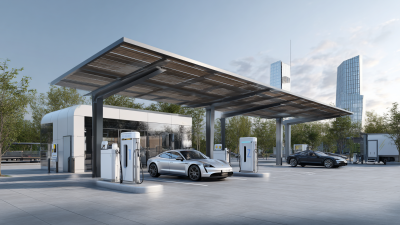
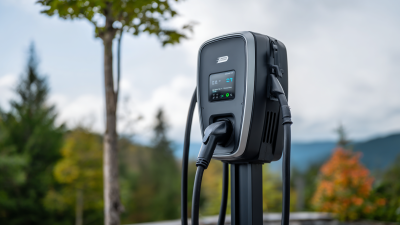
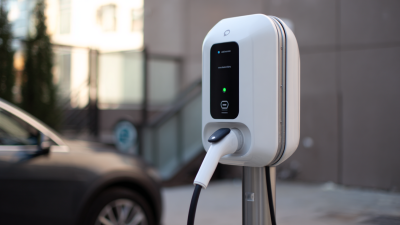
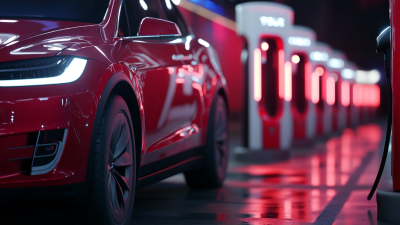
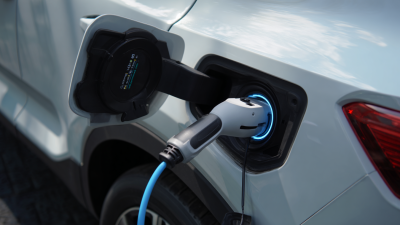
As we get closer to the 138th China Import and Export Fair in 2025, you can bet that all eyes will be on how Ev Dc Fast Chargers are evolving — they're really the key tech shaping the future of electric mobility. TONGXING NEW ENERGY TECHNOLOGY CO., LTD. is right at the cutting edge of this shift. They've got a pretty wide range of products, from small 3.5kW chargers for homes all the way up to massive 720kW ultra-fast stations meant for industrial use. What’s cool is that their solutions often come with integrated solar and energy storage options, which not only boost charging speed but also make it more sustainable. Honestly, as more folks around the world jump into electric vehicles, the push to improve fast Charging Infrastructure becomes more urgent than ever — it’s all about creating agreener, more reachable transportation system. The innovations they’ll be showing off at the fair will definitely highlight how much charging tech has advanced, but more than that, it really shows their commitment to a sustainable energy future.
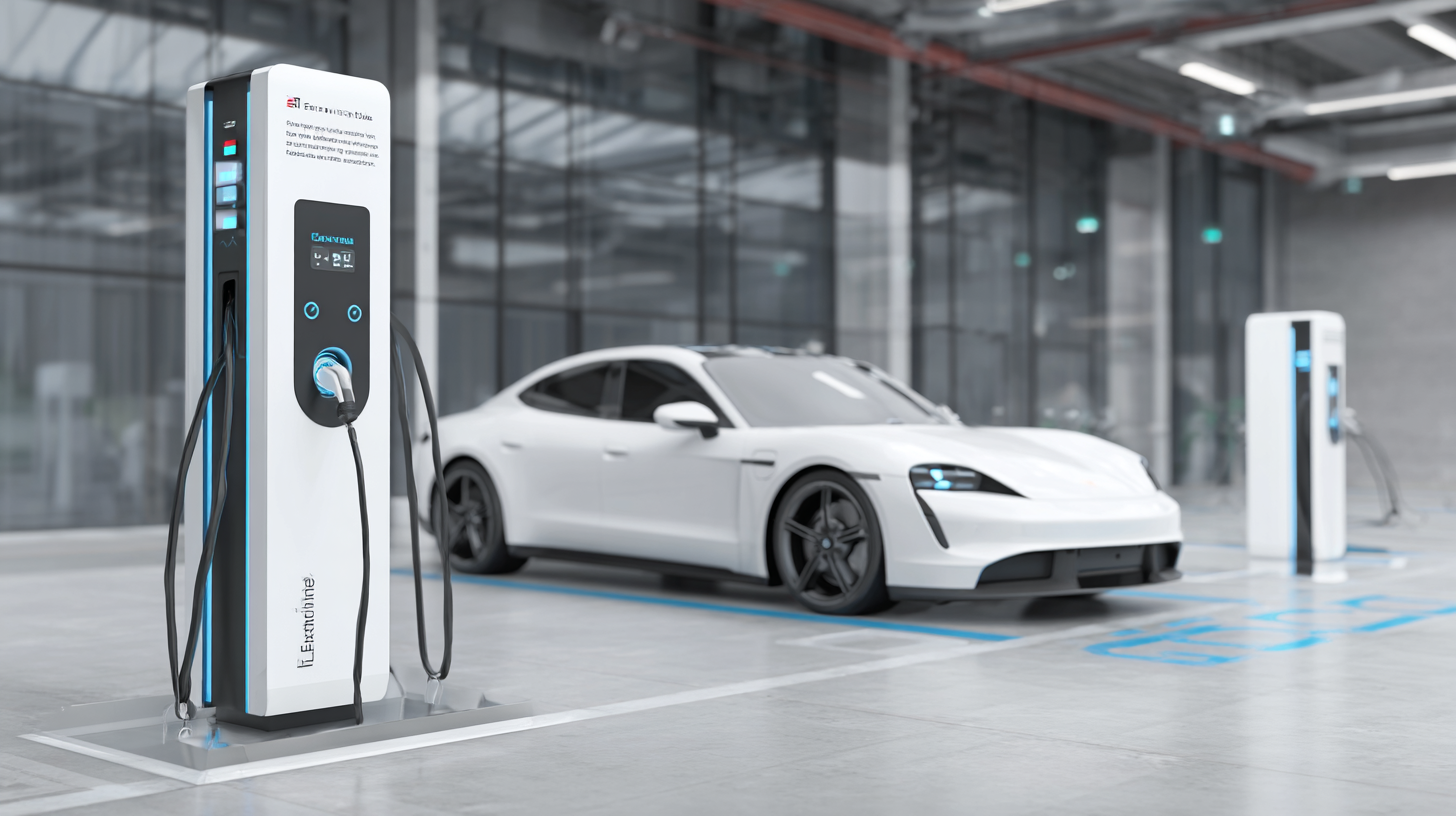
Future Trends in EV DC Fast Charging Technology
So, the 138th China Import and Export Fair in 2025 is really going to focus on the latest in EV DC fast charging tech. It’s all about meeting the rising demand for faster, more eco-friendly energy solutions. As more people jump into electric vehicles, having reliable and speedy charging stations is becoming more and more important, right? These new systems are expected to get even quicker, work well across a bunch of different EV models, and incorporate smart tech to help manage energy better.
Looking ahead, it’s pretty exciting—ultra-fast chargers that can juice up your car in just minutes are on the horizon. Plus, improvements in battery tech and smarter grid connections will make charging more flexible, so you could even top off your car when energy is cheap or when renewables are kicking in. And don’t forget about AI and machine learning—they’ll probably help predict charging needs and keep everything running smoothly, making it easier and more convenient for everyone to get charged up whenever they need to.
Future Trends in EV DC Fast Charging Technology (2025)
This chart illustrates the projected growth in the number of DC Fast Chargers installed from 2023 to 2027, showcasing significant advancements in EV charging technology aimed at enhancing infrastructure for electric vehicles.
Innovations in Charging Infrastructure for Electric Vehicles
So, at the 138th China Import and Export Fair happening in 2025, everyone's going to be talking about the latest and greatest in EV charging tech. It’s pretty exciting because a whole wave of innovations is coming that could totally change the game for electric vehicles. With more and more folks pushing for greener transportation options, breakthroughs in how we charge EVs are super important — they’re basically the backbone of getting more electric cars on the road. For example, recently in Europe, there’s been some cool progress with mega-watt charging stations for heavy trucks, showing how folks are teaming up to improve charging speeds and make things more efficient for all kinds of vehicles.
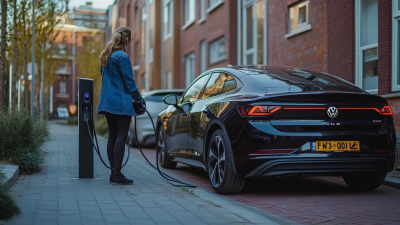
Plus, a lot of the buzz now is around expanding charging networks and pioneering new infrastructure ideas. Things like curbside chargers and battery swap stations are really changing the way we think about electric mobility. They’re not just super convenient for users; they also fit right into global efforts to speed up EV adoption. As more investments pour into this sector, it looks like future charging stations are only going to get better — faster, more accessible, and more reliable. All in all, it’s an exciting time for EVs and a big step toward a more sustainable transportation future.
Government Policies Impacting EV Charger Development by 2025
Looking ahead, the future of Ev Charging Infrastructure is really going to be shaped a lot by government policies focused on making transportation more sustainable. As we inch closer to 2025, these policies are bound to have a big impact, especially when it comes to fast DC chargers. Things like incentives for manufacturers to come up with new, innovative charging tech, along with subsidies to encourage people to buy electric vehicles, are gonna push those rapid chargers out there even faster. Countries around the globe are also probably gonna set guidelines to keep safety high and ensure chargers work smoothly across different brands and systems—so everyone has a hassle-free experience.
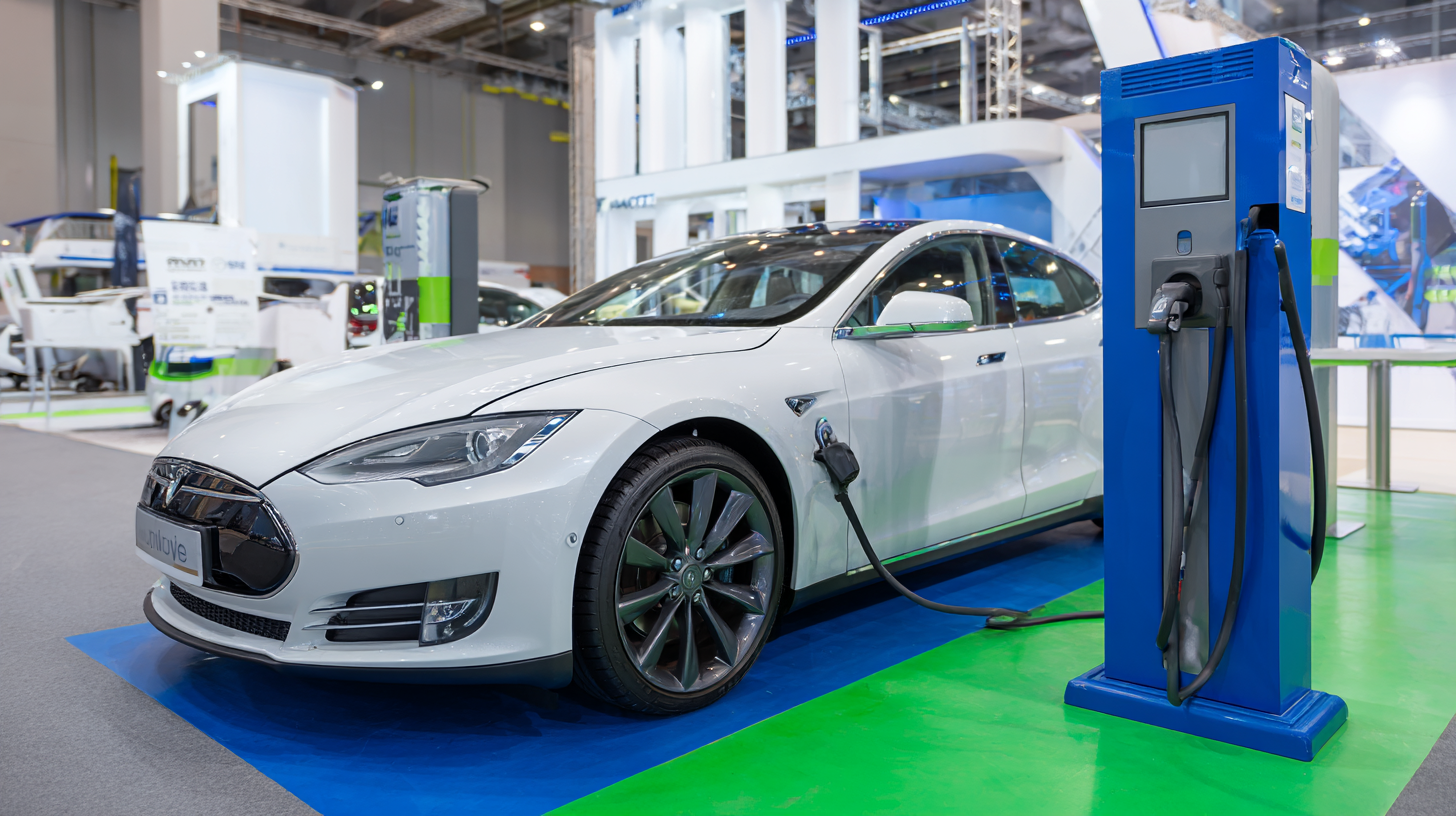
And let’s not forget, environmental rules are gonna be a major driver too. With stricter targets to cut down carbon emissions, there’s gonna be more investment in high-capacity charging stations, especially in busy city areas. It’s likely we’ll see more partnerships between governments and private companies, helping to build a strong network of fast chargers. This kind of teamwork doesn’t just speed up tech progress; it also helps spread the word about how electric vehicles are a smarter, greener choice. All in all, it’s about creating a future where charging your EV is easy, safe, and good for the planet.
Sustainability and Eco-Friendly Practices in Fast Charging
So, at the 138th China Import and Export Fair in 2025, it’s pretty clear that sustainability is gonna be a big deal for the future of EV DC fast chargers. As more people jump into electric vehicles, there’s this real push to develop chargers that are more eco-friendly. You’re seeing manufacturers increasingly tap into renewable energy sources like solar and wind to power these stations—they’re trying to cut down on carbon emissions and do their part for the planet. Honestly, it’s a win-win because it also makes fast chargers more reliable and easier for folks to access.
And it’s not just about the power sources. The design and materials in these chargers are also heading for some serious upgrades. Lots of companies are experimenting with recycled materials and new tech that helps lower energy use and reduce waste. Plus, smart charging systems that can manage energy demand during busy times are gaining ground—they make everything more efficient and sustainable. Looking ahead, it’s pretty clear that tech innovation and sustainability are gonna go hand-in-hand, shaping the future of EV fast charging in a big way.
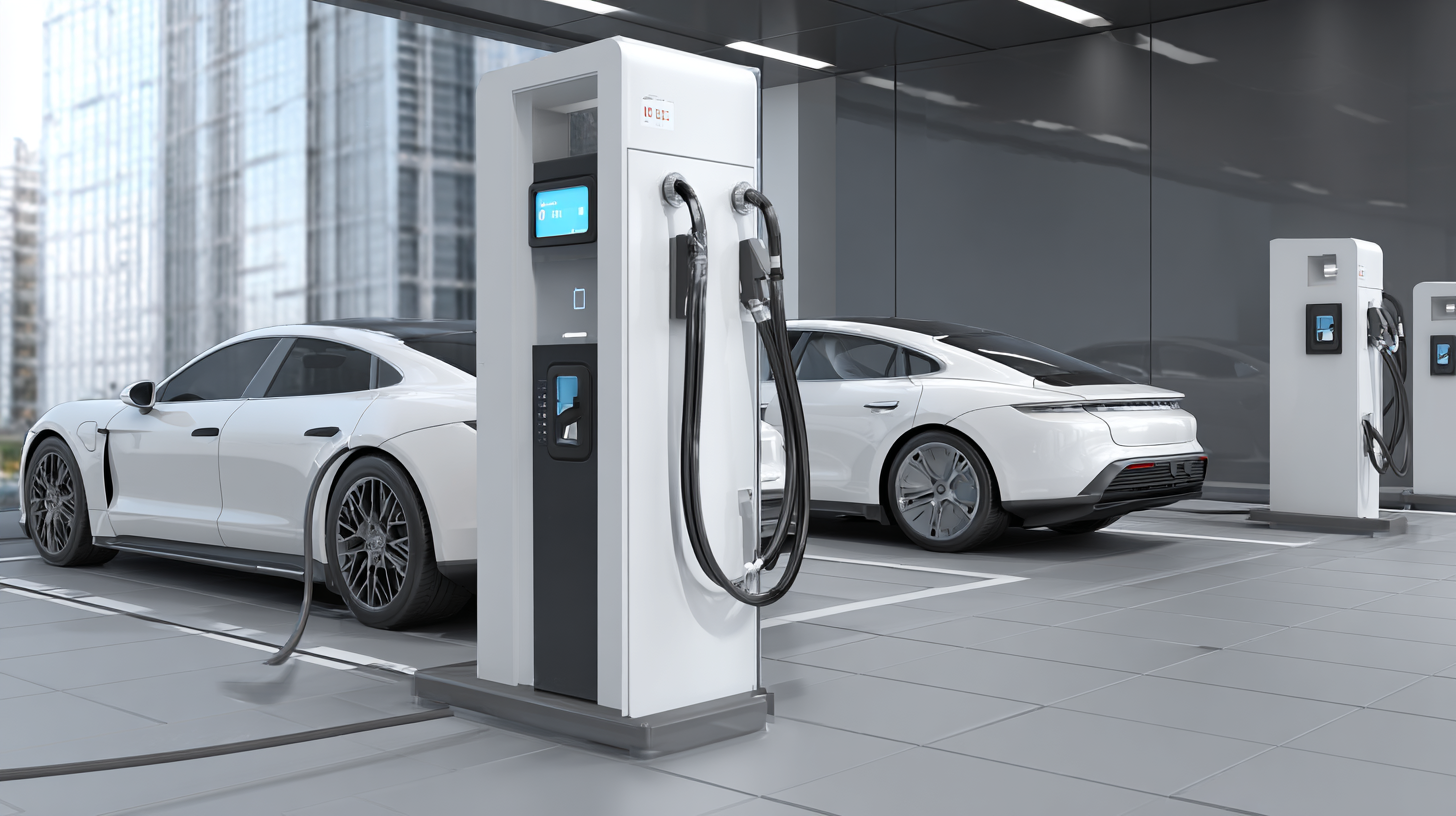
Market Analysis of EV DC Fast Chargers in China
The market for EV DC fast chargers in China is really heating up, and it's expected to see some serious growth. The reason? China’s putting a lot of effort into building up its Electric Vehicle Infrastructure. Plus, with folks becoming more eco-conscious and government policies pushing electric cars, the demand for fast charging stations is on the rise. As battery tech keeps getting better and more people jump into EVs, drivers are looking for quick, hassle-free ways to charge up—making the market for these fast chargers more exciting than ever.
Come 2025, at the 138th China Import and Export Fair, you’ll see manufacturers and suppliers showing off the latest and greatest in DC fast charging tech. It’s pretty much a peek into the future—think cooler designs, faster charging speeds, and smart tech that syncs up with today’s connected vehicles. A lot of this growth will happen in urban areas where space and time are tight. High-capacity charging stations in cities are shaping up to make electric cars more mainstream, helping to build a stronger grid and get more people on the EV bandwagon. As competition heats up, companies will need to stay ahead with new tech and smart partnerships if they want a bigger slice of the pie in this rapidly growing market.
Future Trends of Ev Dc Fast Charger at the 138th China Import and Export Fair in 2025
| Feature | 2023 | 2024 | 2025 |
| Number of Fast Chargers | 15,000 | 20,000 | 30,000 |
| Market Size (Billion USD) | 2.5 | 4.0 | 6.5 |
| Growth Rate (%) | 15 | 20 | 30 |
| Number of EVs on the Road | 5 million | 7 million | 10 million |
| Average Charging Time (minutes) | 60 | 45 | 30 |
Consumer Preferences and Adoption Rates for Fast Chargers
Have you noticed how quickly the world of electric vehicle (EV) fast charging is changing? I mean, just look at what was happening at the 138th China Import and Export Fair in 2025—things were really shifting! More and more people are leaning towards faster, more efficient ways to charge their EVs, which explains the soaring demand for DC fast chargers. Honestly, this tech cuts down charging times huge amounts and really makes owning an EV way more convenient and appealing. It’s definitely a key factor for folks thinking about jumping into EVs.
If you’re on the hunt for a fast charger, here are a few tips: First, check if the charger works with different EV models—no point buying something that’s not compatible. Then, look into how fast it charges and how energy-efficient it is. Also, don’t forget to see if there are any local incentives for installing a home charger—that can save you some money. And honestly, browsing reviews from other users can be super helpful—that’s where you get the real deal on how well these chargers perform in everyday life.
As more people start to understand the perks of fast chargers, adoption is expected to skyrocket. You’ll notice more businesses and public spots adding DC fast chargers, which should give EV owners more confidence, especially for longer trips. Chatting with others in the community or online about their favorite charging solutions can also give you a better idea of what actually works in real life. All in all, the tech is getting better, and it’s really shaping up to meet what all of us need when it comes to EV charging.
FAQS
: Key advancements include the development of ultra-fast chargers, improved compatibility with various EV models, enhanced battery technology, and smarter charging systems that optimize energy distribution.
Advancements in battery technology will allow for more flexible charging options, enabling users to charge their vehicles during off-peak hours or when renewable energy sources are available.
Artificial intelligence and machine learning are expected to be used to predict demand and streamline operations in charging networks, helping users charge their vehicles more efficiently.
Government policies are promoting sustainable transportation through incentives for manufacturers and subsidies for consumers, which will accelerate the deployment of DC fast chargers.
Governments are anticipated to establish guidelines that ensure safety standards and interoperability, providing a seamless and safe charging experience for users.
Environmental regulations mandating reductions in carbon emissions will drive investments in high-capacity charging stations, especially in urban areas, facilitating the expansion of EV charging networks.
Public-private partnerships can create a robust ecosystem that supports the installation of DC fast chargers, fostering technological advancements and increasing awareness of electric mobility benefits.
As the EV market grows, the demand for faster and more reliable charging infrastructure will become increasingly crucial for supporting the needs of EV users.
Improved charging technology is expected to provide consumers with faster charging times, increased convenience, and enhanced compatibility with a wider range of electric vehicles.
The deployment of EV charging infrastructure is expected to evolve through innovations in technology, increased government support, and enhanced collaboration between public and private sectors.
Conclusion
Hey, so the 138th China Import and Export Fair in 2025 is gonna be a big deal when it comes to showing off some pretty exciting stuff in EV charging tech. They’re really pushing forward with new innovations in charging stations—everything from home chargers to super-fast industrial chargers. Of course, for all this to really take off, strong support from the government is gonna be super important. Without their policies leaning in, it might be a lot tougher to get these fast chargers widely adopted across China.
And you know, there’s also this big push towards sustainability and being eco-friendly, which is great because it makes fast charging not just convenient but also better for the planet. Market trends are showing that more and more people are interested in high-efficiency chargers, so things look pretty positive for higher adoption rates by 2025. All in all, it’s shaping up to be an exciting future for EV fast chargers, kinda like a step toward a greener, more sustainable way of moving around.