Leave Your Message
0%

You know, as everyone’s really pushing to make transportation more eco-friendly, it’s no surprise that demand for cool, innovative EV charging solutions is just skyrocketing. I read somewhere—thanks to the International Energy Agency—that by 2030, there could be over 300 million electric vehicles cruising around out there! That’s a huge jump, and it really highlights why we need faster, more efficient charging stations.
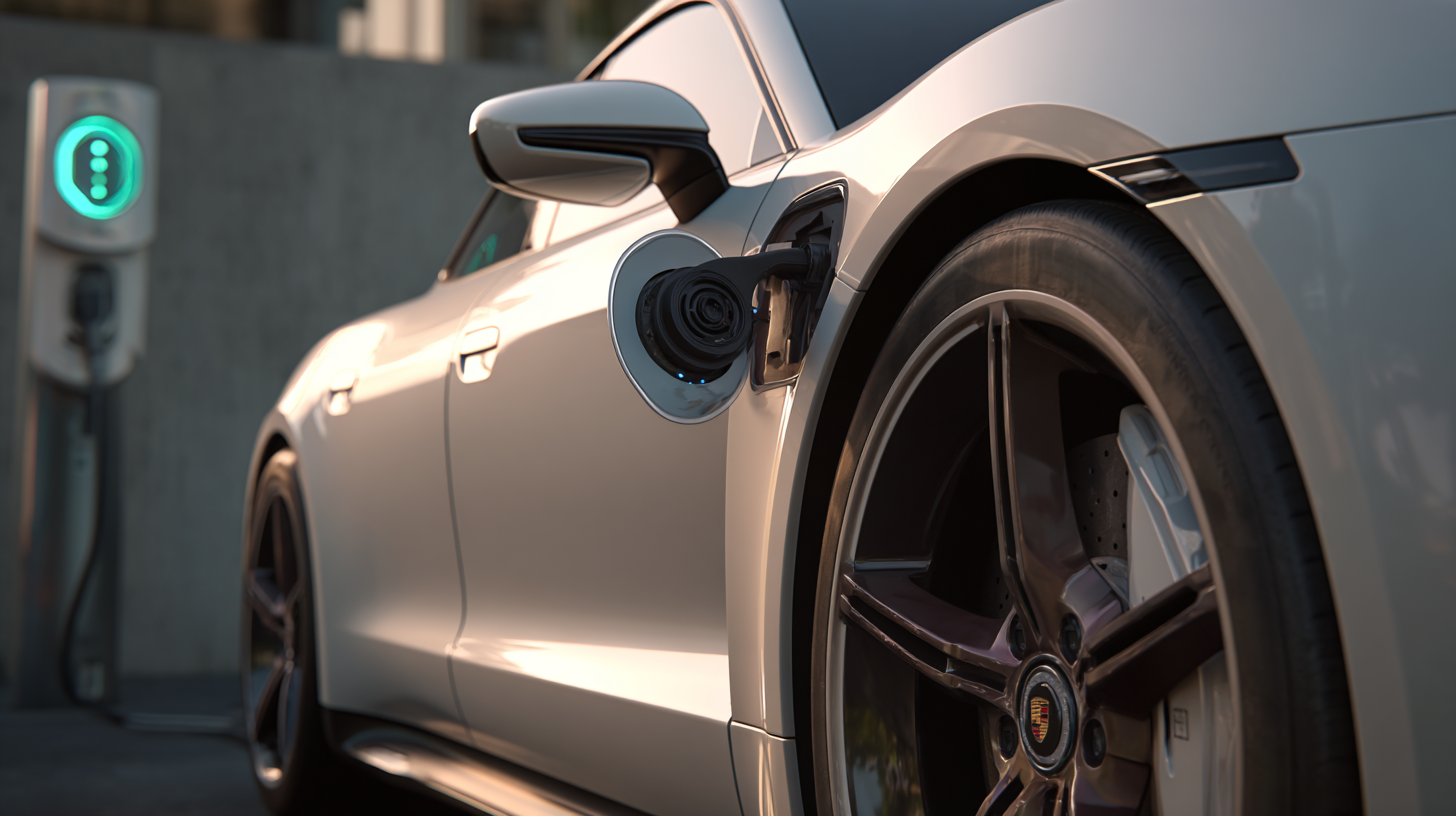
Unleashing the Future of Transportation with Innovative EV Car Charger Solutions

TONGXING NEW ENERGY TECHNOLOGY CO., LTD. is clearly leading the charge in this space. They offer everything from basic 3.5kW Home Chargers to massive 720kW ultra-fast chargers for industrial use. And what’s pretty awesome is that their gear isn’t just about now; it’s designed to work smoothly with solar panels and energy storage systems too—kind of paving the way towards a more sustainable energy future. Thanks to the latest tech, they’re really in a great position to shape what’s coming next in transportation, and that’s pretty exciting, don’t you think?

The Transformative Role of EV Chargers in Modern Transportation

You really can’t underestimate how big of a role EV chargers are playing in changing up how we get around nowadays. As the world’s car industry moves more and more toward electric vehicles, there’s a huge spike in the need for reliable and innovative charging options. According to the International Energy Agency, there were about 10 million EVs on the road back in 2020, and experts say that number could jump past 145 million by 2030—that’s a massive jump! With so many electric vehicles hitting the streets, we’ve gotta build out the Charging Infrastructure to keep up. That’s what makes this transition to electric mobility pretty exciting but also a bit challenging.

At TONGXING NEW ENERGY TECHNOLOGY CO., LTD., we’re all in on meeting those challenges head-on. We’ve got a wide range of products to suit different needs — from simple 3.5kW chargers perfect for home use to ultra-fast 720kW stations designed for busy commercial spots. Plus, we’re also into integrating solar power and energy storage, which not only makes charging more sustainable but also helps keep the grid stable. With EV chargers becoming kinda the backbone of today’s transportation system, our innovative solutions are here to help support the rising demand for quick, dependable charging—because the future of driving is electric, and we want to be part of making that as smooth as possible.

Unleashing the Future of Transportation with Innovative Ev Car Charger Solutions
Charger Type Charging Speed (kW) Installation Cost ($) Average Charging Time (hours) Location Type
Level 1 Charger 1.4 kW 300 8-12 hours Residential
Level 2 Charger 7.2 kW 600 4-6 hours Commercial, Residential
DC Fast Charger 50 kW 15,000 1-2 hours Highway, Commercial
Ultra Fast Charger 350 kW 30,000 15-30 minutes Service Stations

Advancements in EV Charging Technology and Infrastructure

You know, the rapid pace at which electric vehicle (EV) charging tech is evolving really plays a huge role in how quickly electric cars will become mainstream in the years ahead. I came across this recent report from BloombergNEF, and it says that by 2040, about 54% of all vehicle sales could be electric — which means we’ve got to have a pretty solid and efficient charging infrastructure to keep up. It’s kinda exciting — there are already new super-fast charging stations popping up that can pump out over 350 kW, cutting down the charging time to just a few minutes. That’s a game-changer because, according to the International Energy Agency, we’re gonna need more than ten times the current number of public EV chargers by 2030 to satisfy everyone’s demand. Crazy, right?

And it’s not just about faster chargers. There’s a whole lot happening with smart charging tech too — stuff like real-time monitoring, grids that interact with the chargers, and apps that make the whole process super user-friendly. If you ask Navigant Research, the global market for these smart solutions could hit around $5.6 billion by 2025. Not only does this make charging easier and more convenient, but it also helps keep the power grid stable and makes sure we’re using energy wisely — charging during off-peak times, for instance. Oh, and with renewable energy becoming a bigger part of the mix, integrating it with EV charging is just another step towards making transportation more sustainable and efficient overall.

Exploring Sustainable Practices in EV Charger Solutions

As electric vehicles, or EVs for short, are becoming more popular in the car world, it's really important that we think about how we handle charging them in a sustainable way. One exciting thing is how we can use renewable energy — like solar panels or wind turbines — to power up these chargers. It’s a great way to cut down the pollution you'd normally get from traditional energy sources. When chargers can tap into clean energy, not only do they become more eco-friendly, but they also encourage folks to choose greener ways to get around.

On top of that, using smart, energy-efficient chargers is a game changer. These clever devices can figure out when energy demand is high and adjust accordingly so the grid doesn’t get overwhelmed — pretty neat, right? They can also give you real-time updates on how much energy you’re using and what it’s costing, helping you make smarter, more eco-conscious choices. Overall, focusing on sustainability when designing EV chargers isn’t just about helping electric vehicles grow — it’s about making a real difference in reducing greenhouse gases and building a healthier, greener planet for everyone.

Electric Vehicle Charger Usage Trends (2023)

This bar chart illustrates the percentage of usage of various types of electric vehicle chargers in 2023. It demonstrates how home charging remains the most common method, followed by public and work charging options, reflecting a growing inclination towards sustainable practices in transportation.

User-Friendly Features Driving the Adoption of EV Chargers

As the electric vehicle (EV) market keeps growing so rapidly, having user-friendly features in EV chargers is more important than ever to get more people on board. I mean, did you know that, according to the International Energy Agency (IEA), global EV sales hit 6.6 million in 2021? That's over double what it was the year before — a crazy 108% jump! This really highlights how essential it is to have charging solutions that are not just efficient but also easy to access and use. Nowadays, we're seeing some pretty cool designs that make charging simpler — stuff like touchless payments and smartphone app integrations. Honestly, these features make it so much more convenient for drivers to top up their EVs. In fact, a study by McKinsey found that about 60% of EV owners say that the convenience of charging is a big factor when they're choosing whether or not to buy a new electric car.

Unleashing the Future of Transportation with Innovative EV Car Charger Solutions

And it doesn’t stop there. Advances in smart charging tech are really changing the game, making the whole experience more seamless. Things like real-time updates on whether a charger is available or where to find the nearest one have become so important — especially with projections showing there could be around 300 million EVs on the road by 2030. BloombergNEF even predicts that we're going to need around 3 million public charging stations worldwide to keep up with all this demand. It’s pretty clear that designing chargers with the user in mind is not just about convenience anymore — it’s shaping the future of sustainable transportation. By focusing on innovative features that meet consumer needs, we’re looking at a future where EV adoption could really take off.

The Economic Impact of EV Charging Solutions on Local Communities

Lately, you’ve probably noticed that electric vehicles (EVs) are really gaining popularity. With that, there's been quite a buzz around new and better EV charging solutions, right? Definitely, these developments could have a pretty big impact on local economies. According to the International Energy Agency (IEA), they’re saying the number of EVs worldwide could hit around 145 million by 2030. That’s gonna mean a ton more charging stations popping up around cities and towns. And here’s the interesting part—places that invest in these stations tend to see more people coming through. Think about it: EV owners often want to explore or grab a bite while waiting for their cars to juice up, so local shops can really benefit. Take Los Angeles, for example — since they rolled out more charging spots, local stores saw sales go up by about 30%. Pretty cool, huh?

But it’s not just about sales. Putting in all these charging stations actually creates jobs, too. The U.S. Department of Energy says that for every 1,000 charging stations installed, about 3,400 jobs are generated — in installation, maintenance, and other related work. So, it’s a win-win — more jobs for the community, attracting new residents and even new businesses. As cities keep pushing these kinds of solutions, they’re really positioning themselves as leaders in the move toward cleaner, sustainable transportation. And honestly, that kind of progress could set the stage for some serious long-term economic growth.

Unleashing the Future of Transportation with Innovative EV Car Charger Solutions

Exploring the Future of Sustainable Travel: The New Electric Vehicles Mobile EV Charger Station for Fast Charging on the Go

As the world shifts toward sustainable travel, the advent of electric vehicles (EVs) heralds a new era in eco-friendly transportation. Central to this transformation is the development of mobile EV charger stations that ensure fast charging on the go. These innovative charging solutions are designed with functionality and user experience in mind, featuring a 4.3-inch touch screen for seamless interaction. Users can authenticate their charging sessions through multiple methods such as QR codes, RFID cards, or passwords, ensuring security and convenience.

The communication capabilities of these mobile chargers are equally impressive, supporting various protocols like OCPP 1.6J for interaction with central servers. This connectivity can be enhanced through Ethernet, 3G, 4G, or WIFI options, allowing for real-time data exchange and monitoring. Moreover, the chargers adhere to stringent safety standards, including IEC 62196 and SAE J1772, providing protection against overcurrent, voltage fluctuations, and potential surges. These safeguards ensure a reliable and safe charging experience for users, making sustainable travel not just a vision for the future, but a practical reality today.

FAQS

: What advancements are being made in electric vehicle (EV) charging technology?

: Recent advancements include the emergence of ultra-fast charging stations capable of delivering over 350 kW, significantly reducing charging times to mere minutes, and the development of smart charging technology that incorporates real-time monitoring and grid interaction.

How important is charging infrastructure for the growth of the EV market?

Charging infrastructure is crucial as the global EV market is expected to grow to 54% of total vehicle sales by 2040, necessitating a robust and efficient network of public charging stations which must increase by over tenfold by 2030 to meet demand.

What is the market projection for smart EV charging solutions?

According to Navigant Research, the global market for smart EV charging solutions is projected to reach $5.6 billion by 2025.

How do smart chargers enhance the EV charging experience?

Smart chargers enhance the user experience through real-time monitoring, user-friendly apps, and the ability to optimize energy consumption by charging during off-peak hours, thereby contributing to grid stability.

What role do renewable energy sources play in EV charging infrastructure?

Renewable energy sources such as solar and wind power can be integrated into charging infrastructures, significantly reducing the carbon footprint associated with traditional energy consumption and promoting sustainable transportation options.

How do energy-efficient charging systems contribute to sustainability?

Energy-efficient charging systems can optimize energy usage based on demand and grid capacity, prevent overloading during peak hours, and provide users with real-time data on energy consumption and costs, thus promoting informed eco-conscious decisions.

Why is it essential to adopt sustainable practices in EV charger solutions?

Sustainable practices in EV charger solutions are essential to support the growth of electric vehicle adoption, reduce greenhouse gas emissions, and foster a greener future through enhanced eco-friendliness of charging stations.

What is the expected impact of advanced charging technology on consumer adoption of EVs?

Advanced charging technology is expected to make EVs more appealing by reducing charging times and improving the overall charging experience, which could drive higher consumer adoption rates.

How can smart charging technology influence energy consumption?

Smart charging technology allows for optimized energy consumption by enabling charging during off-peak hours, thereby balancing demand and reducing strain on the grid.

What benefits come from utilizing clean energy in charging stations?

Utilizing clean energy in charging stations enhances the eco-friendliness of the infrastructure, encouraging users to adopt sustainable practices and ultimately contributing to the reduction of carbon emissions associated with electric vehicle charging.

Conclusion

Hey, have you read that article titled "Unleashing the Future of Transportation with Innovative EV Car Charger Solutions"? It really dives into how crucial EV chargers are becoming in shaping the way we move around today. The piece talks about all the cool advancements in charging tech and how the infrastructure improvements are making electric vehicle use more convenient and efficient than ever before. Plus, it emphasizes how these new, innovative charging solutions are not just about convenience—they also help cut down on environmental impact and encourage more folks to jump on the EV bandwagon.

They also highlight how making chargers user-friendly is a big deal in getting more people and places to adopt electric vehicles. On top of that, the article touches on how these EV charging solutions can really boost local economies—creating new jobs and growth opportunities. If you’re curious, TONGXING NEW ENERGY TECHNOLOGY CO., LTD. offers everything from small residential chargers (like 3.5 kW models) to massive industrial ultra-fast chargers (up to 720 kW). They also have integrated systems with solar panels and energy storage, which basically helps build a strong charging network. All in all, the message is clear: making this switch to sustainable transportation isn’t just good for the planet, it’s also a smart move economically and practically.

Honestly, it’s exciting to see how these innovations are paving the way for a cleaner and more efficient future — we’re definitely moving in the right direction.
Lila

Lila

Lila is a dedicated marketing professional at TONGXING NEW ENERGY TECHNOLOGY CO., LTD., where she leverages her extensive knowledge of the company's product offerings to elevate its market presence. With a focus on innovative energy solutions, Lila expertly navigates the intricacies of the......
Previous Essential Approaches for Sourcing Ev Wall Chargers Globally