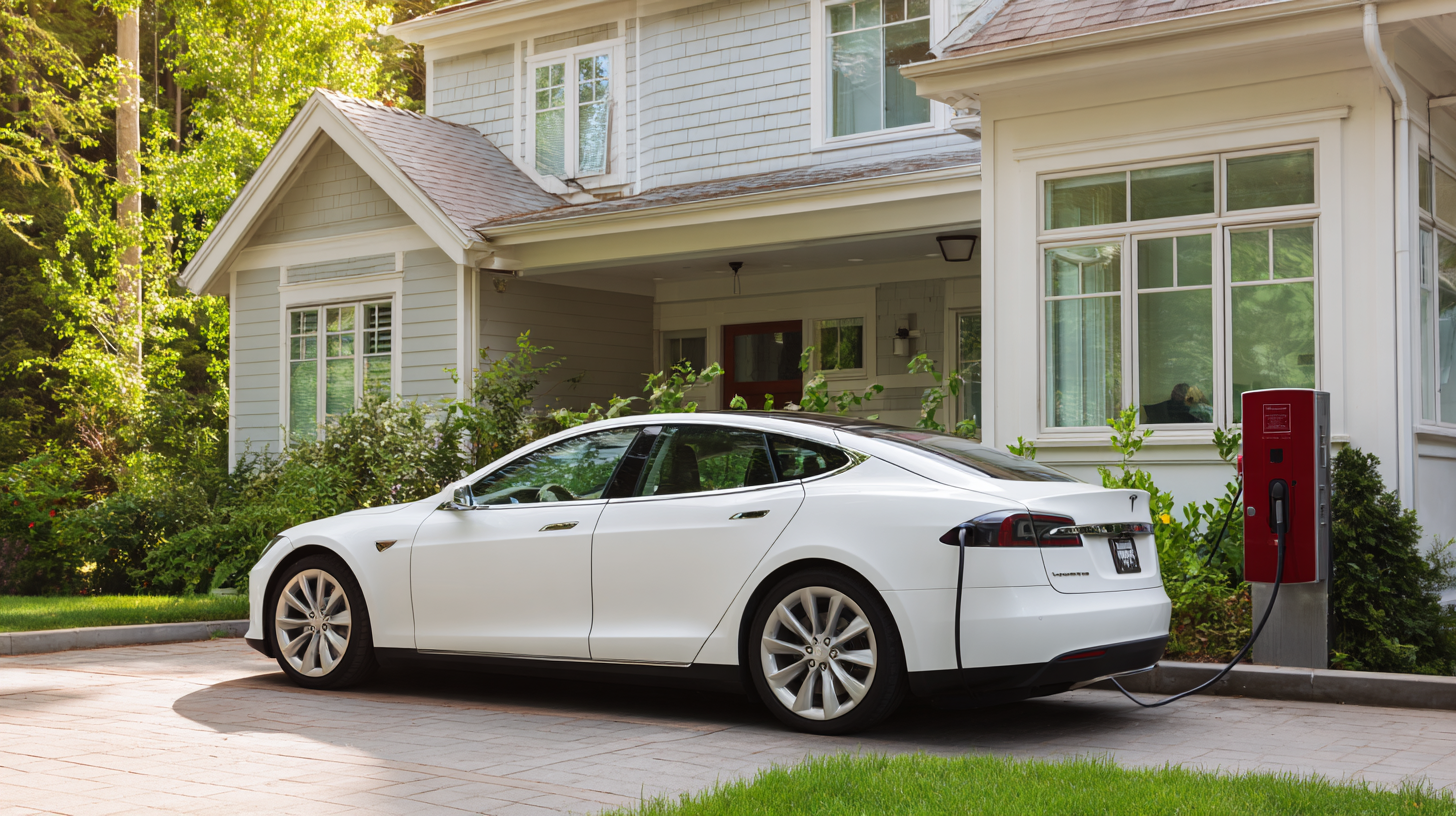
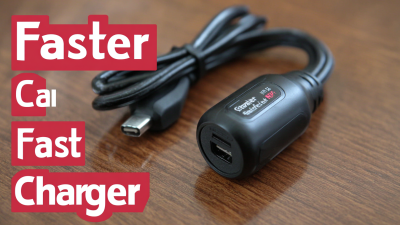
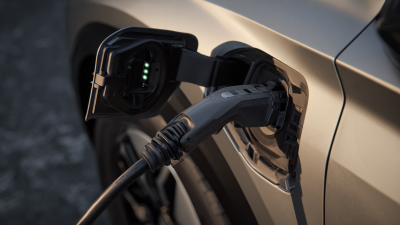
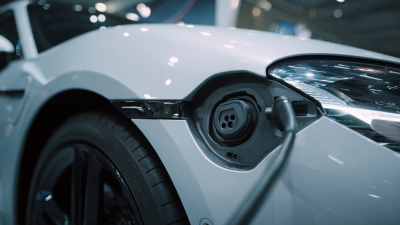
As the electric vehicle (EV) market keeps growing — and experts say we could be hitting around 26 million EVs sold worldwide by 2030— it’s pretty clear that having a reliable Home Charger is more important than ever. AtTONGXING NEW ENERGY TECHNOLOGY CO., LTD., they’ve got a wide range of charging options, whether you’re charging at home or need something for a bigger industrial setup. From their handy 3.5 kW residential chargers to the super-fast 720 kW ultra-fast stations, they’ve got you covered. Since over 80% of EV charging happens right at home, picking the right charger isn’t just a good idea — it’s essential. Industry reports even say that having a proper home charger doesn’t just make life more convenient, but it also helps your EV run more efficiently and can save energy in the long run.
So, whether you’re new to all this or just trying to figure out what’s best for your setup, this quick guide is here to help. We’ll share some key tips and insights so you feel confident making the right choice in this fast-moving world of EV charging.
Understanding Different Types of Home Car Chargers for Electric Vehicles
When you're looking to pick out a home charger for your electric vehicle (EV), it’s good to get a feel for the different types out there. Most folks end up considering either Level 1 or Level 2 chargers. Level 1 is pretty straightforward — it just plugs into your standard 120-volt socket, so it charges pretty slowly. If you mainly do short daily drives, that might be totally fine. But if you’re someone who needs a quicker top-up, then a Level 2 charger is worth thinking about. That one runs on 240 volts and can charge your car much faster, which is a big plus for most EV owners.
When you're trying to decide which charger is the best fit for your home, it’s really all about how fast you want your car to charge. A good tip is to think about how much you tend to drive each day and what your car can handle with its charging system. Also, it’s smart to check if your home’s electrical setup can handle the extra power that comes with a Level 2 charger — nobody wants a surprise electrical hiccup!
And don’t forget about where you’re gonna put the charger in your garage or driveway. Convenience matters — you’ll want a spot that’s easy to access and keeps the distance between your car and the power source as short as possible. Understanding the differences between these chargers and what they can do really helps you make a choice that fits your lifestyle perfectly.
The Essential Guide to Choosing the Best Home Car Charger for Your Electric Vehicle
Key Factors in Selecting the Right Charging Speed for Your EV
When you're figuring out the best charging speed for your electric vehicle, there are a few things you really want to keep in mind. It’s not just about plugging in — the right speed can make a huge difference in how convenient owning an EV feels, especially if you're relying on it daily or taking long trips. Things like the power output of your charging station, whether it matches your car’s battery size, and what kind of power setup you've got at home all play a role.
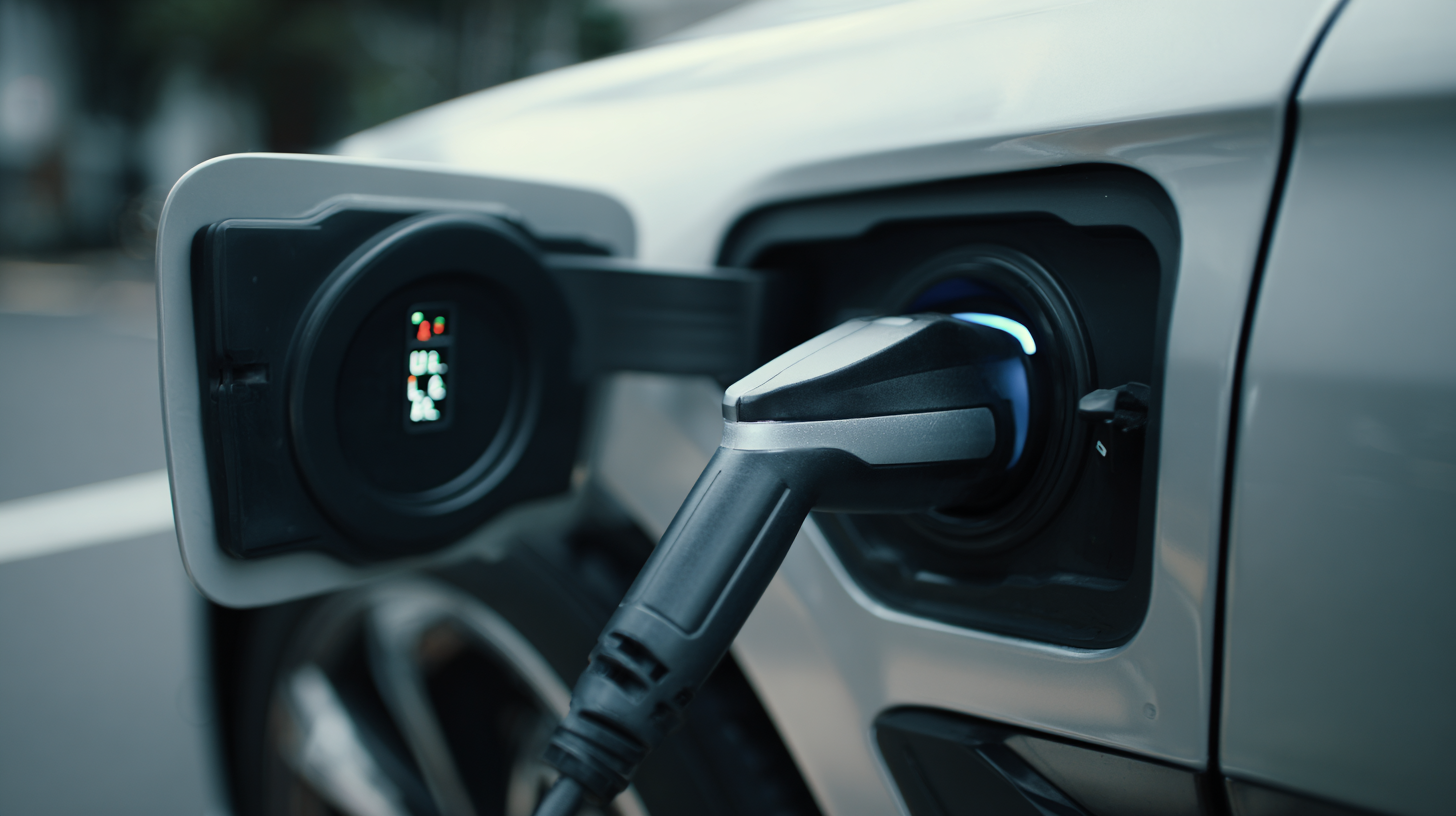
At TONGXING NEW ENERGY TECHNOLOGY CO., LTD., we have a wide range of charging options to suit just about any need. Whether you’re looking for a simple 3.5kW charger you can leave plugged in overnight at home or a super fast 720kW station for commercial use, we’ve got you covered. We also offer integrated solar and energy storage solutions — so you can tap into renewable energy and make your charging even greener. Picking the right charger and charging speed isn’t just about convenience; it’s about getting the most out of your EV and helping the environment at the same time.
Analyzing Installation Requirements and Costs for Home EV Chargers
When you're thinking about installing a Home Ev Charger, it's really important to understand what’s involved—like the costs and requirements. From what I've seen in recent studies, putting in a7kw Home Charger should be pretty manageable by 2025, especially when you consider installation fees and the potential savings. Those savings? They come from not relying as much on public charging stations and the convenience of just plugging in at home whenever you need. Plus, with home chargers, you can schedule your charging during off-peak hours, which can save you a fair bit on your electricity bill.
On top of that, whether owning a home EV charger makes sense financially often depends on how EV adoption is going globally. Fixing infrastructure issues is a big part of the puzzle—it can really sway people's decisions. By building reliable and user-friendly home charging options, regions can cut down the costs of public chargers and help reduce what's called range anxiety—that worry of 'Will I make it to my next stop?' For folks considering an EV, knowing that they can easily charge at home makes a big difference.
And interestingly, some clever approaches, like making use of existing infrastructure for charging, can even make the whole process cheaper and more efficient. So, understanding what’s involved in installing a home charger isn’t just helpful for consumers—it's part of a bigger effort to build a sustainable, convenient electric vehicle ecosystem for everyone.
Evaluating Smart Charger Features and Their Impact on Efficiency
When you're trying to pick out a home charger for your electric vehicle (EV), it’s really important to get a handle on how smart charger features can actually make a difference in efficiency. The International Energy Agency (IEA) predicts that the demand for these chargers is gonna skyrocket — they’re saying there could be around 145 million EVs out there by 2030. Smart chargers, which come equipped with some clever tech, help optimize when your car charges by considering things like grid demand and electricity prices. Trust me, they’re pretty key in this whole shift to electric driving.
One feature that really stands out is vehicle-to-grid (V2G) tech. Basically, with V2G, your EV can send energy back to the grid when needed. According to a study from the U.S. Department of Energy, this kind of setup can not only improve grid stability but might also save you up to $1,000 each year — that’s right, up to $1,000 — by selling stored energy during peak times. On top of that, smart chargers that monitor energy use in real time can help you see when and how you’re charging, so you can tweak your schedule to save a few bucks.
Turns out, with these features, you could boost your charging efficiency by as much as 20%. Bottom line? Picking the right charger is a win for your wallet and for the planet.
Comparing Level 1 vs. Level 2 Chargers: Pros and Cons
So, when you're trying to pick out a home charger for your electric vehicle, it's really helpful to understand the difference between Level 1 and Level 2 chargers—trust me, it makes a big difference. Level 1 chargers are pretty much standard, using a regular 120-volt outlet, but they can be a bit slow—you're looking at about 4-5 miles of range added per hour, which isn’t exactly quick. The U.S. Department of Energy says these are perfect if you've got a plug-in hybrid or if you don’t drive your EV all that often since you can just plug in and forget it without any extra installation hassle.
Now, on the flip side, Level 2 chargers pump at 240 volts and can charge your EV way faster—think up to six times quicker than Level 1. You can usually get around 25 miles of range per hour of charging. A 2022 report from the International Energy Agency mentions that almost 95% of EV owners end up installing a Level 2 charger at home, mainly because it's so much more convenient for daily use. Sure, they might cost more to install upfront, but honestly, the time you save and the convenience—especially if you have more than one EV—is totally worth it.
Exploring Incentives and Rebates for Home Charger Installation
Thinking about installing a home charger for your electric vehicle? Well, there's good news—there are a bunch of incentives and rebates out there that can really help cut down your upfront costs. For instance, according to the U.S. Department of Energy, several states offer rebates anywhere from $200 to $1,000 for installing a residential charging station. The goal here is to encourage more folks to go electric and build out the necessary infrastructure. Plus, the federal government has a tax credit that can cover up to 30% of the installation costs. So, yeah, that can really ease the financial load a bit!

These kinds of incentives don’t just make buying a charger seem more doable—they also support the bigger push towards cleaner, sustainable energy. A study done in 2022 by the Electric Power Research Institute (EPRI) actually pointed out that increased installation of home charging stations could boost EV adoption by about 50% by 2030. Pretty impressive, right? If you're thinking about going all-in, it’s worth doing some digging into your local and state programs to see what kind of savings you might qualify for. Being informed can really pay off and help you choose the best options for your specific situation.
FAQS
: The two main types of home car chargers are Level 1 and Level 2 chargers. Level 1 chargers use a standard 120-volt outlet, providing a slower charge, while Level 2 chargers operate on 240 volts and offer a faster charging solution.
To choose the right charger, assess your daily driving habits, determine the charging capabilities of your vehicle, and check if your home’s electrical system can support a Level 2 charger for quicker charging.
The installation costs for a 7kW home charger are projected to be manageable by 2025, and savings can come from reduced reliance on public charging stations and charging during off-peak hours.
Yes, many states offer rebates ranging from $200 to $1,000 for residential charging station installations, and the federal government provides a tax credit covering up to 30% of installation costs.
The availability of home EV chargers can lead to a 50% increase in EV adoption by 2030 as they promote convenient charging solutions and alleviate range anxiety among potential buyers.
Consider the convenience and accessibility of the charger location, aiming to minimize the distance between your electric vehicle and the power source in your garage or driveway.
Off-peak hours are times when electricity demand is lower, allowing for cheaper rates. Charging during these times can minimize electricity costs for homeowners.
Robust home charging solutions can lessen the burden on public charging infrastructure and support a more sustainable EV ecosystem by reducing public charging costs and improving efficiency.
Homeowners should research local and state programs to discover available savings and incentives for home charger installation, maximizing financial support for their specific situations.
Innovative approaches include leveraging existing infrastructure for charging, which can enhance the efficiency and cost-effectiveness of home installations.
Conclusion
In 'The Essential Guide to Choosing the Best Home Car Charger for Your Electric Vehicle,' you'll find a friendly overview of the different types of home chargers out there. It explains the main differences between Level 1 and Level 2 chargers, kind of like comparing basic and faster options, and walks through their pros and cons. The guide also dives into what you should think about when picking the right charging speed for your EV—things like installation needs and how much it might cost you. Plus, it touches on cool features like smart chargers that can make charging quicker and more convenient, which is honestly pretty handy.
On top of that, if you’re looking to save some cash, the guide highlights various incentives and rebates you might qualify for when installing a home charger. This can make the whole thing way more affordable. And with TONGXING NEW ENERGY TECHNOLOGY CO., LTD.'s wide selection—from small 3.5kW chargers for the house to huge 720kW ultra-fast stations—they’ve got options that fit just about everyone’s needs. Long story short, choosing the right home charger doesn’t have to be complicated or bank-breaking, especially with all these options and savings tips in hand.