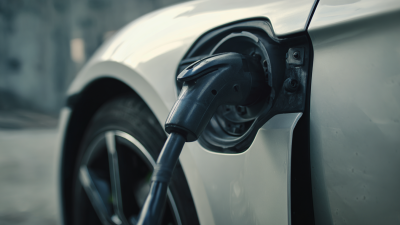
As the electric vehicle (EV) market continues to expand rapidly, with forecasts estimating that global EV sales will reach 27 million units by 2030, the demand for efficient and effective charging solutions is more critical than ever. Choosing the right Smart Dc Charger is essential to meet diverse user needs, from residential setups to high-capacity industrial applications. 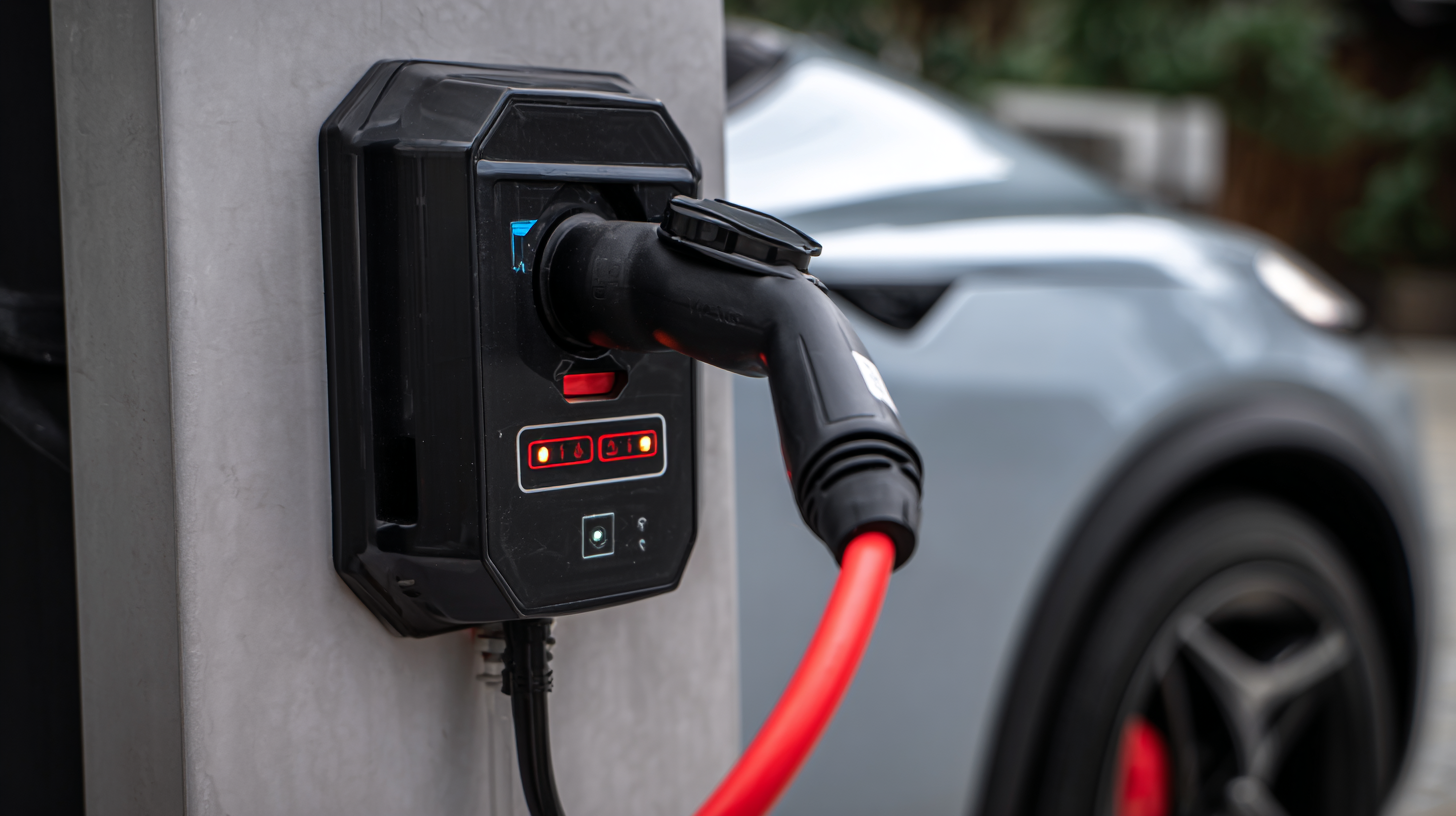 TONGXING NEW ENERGY TECHNOLOGY CO., LTD. offers a comprehensive product portfolio ranging from 3.5kw residential chargers to ultra-fast charging stations rated at 720kw, ensuring that EV users can find a solution tailored to their requirements. Additionally, our integrated photovoltaic (PV) and energy storage solutions enhance the charging experience, promoting sustainability and efficiency. Understanding the key factors in selecting the optimal Smart DC Charger can significantly impact charging times, energy efficiency, and overall user satisfaction as the EV landscape continues to evolve.
Understanding Your Electric Vehicle Charging Requirements
When selecting the right smart DC charger for your electric vehicle (EV), it's crucial to first understand your charging requirements. Factors such as your vehicle's battery capacity, charging speed, and daily driving distance will significantly influence your decision. For instance, if you frequently take long trips or have a larger battery, opting for a charger with higher kW output can reduce downtime and enhance convenience. Assessing the compatibility of the charger with your specific EV model is equally important, as not all chargers are created equal.
Additionally, consider your charging habits and environment. If you plan to charge at home, examine your electrical infrastructure to ensure it can support the charger’s requirements. In contrast, if you rely on Public Charging stations, check for the availability of smart DC chargers in your area and their compatibility with your vehicle. Smart features, such as app control and energy management systems, can also provide added convenience and efficiency, allowing you to optimize your charging times and costs. By comprehensively evaluating your needs, you can make an informed choice that aligns with your lifestyle and maximizes your EV experience.
Types of Smart DC Chargers Available on the Market
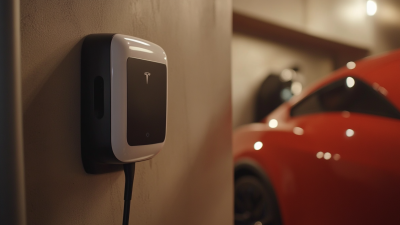
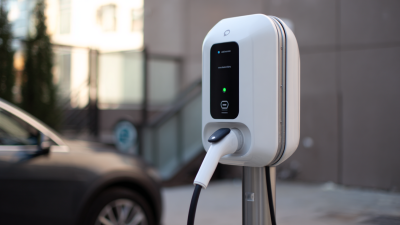
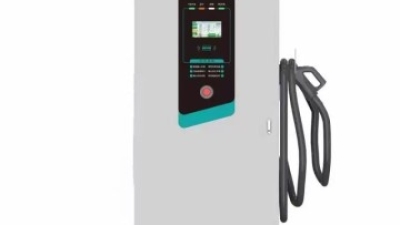
When selecting a smart DC charger for your electric vehicle (EV), understanding the types available on the market is crucial. The primary categories include standalone chargers, wall-mounted solutions, and portable options. Standalone chargers are designed for commercial use and offer high charging speeds, making them ideal for businesses or public charging stations. Wall-mounted units, typically installed in homes or garages, are more compact and can provide sufficient power for daily needs. Portable chargers offer flexibility and convenience, allowing EV owners to recharge their vehicles on the go.
Tips: When considering a wall-mounted charger, ensure it has features that promote user-friendliness, such as an easy-to-use app for monitoring charging status. For those looking into standalone chargers, check for compatibility with various EV models to maximize utility. If opting for a portable charger, look for lightweight designs without compromising on charging speed and efficiency.
Additionally, some smart DC chargers come equipped with advanced features like energy management systems, which can optimize charging during off-peak hours to reduce costs. Always review the charging ports available for compatibility with your vehicle's charging standard, as this can significantly impact your charging experience.
Key Features to Look for in a Smart DC Charger
When selecting a smart DC charger for your electric vehicle, several key features should be considered to ensure optimal performance and convenience. Firstly, charging speed is crucial; look for chargers that offer high power output which allows for rapid charging without overheating. A charger with adjustable power settings can provide flexibility for different battery capacities and minimize energy wastage.
Another important aspect is connectivity. Choose a charger that supports various communication protocols such as OCPP (Open Charge Point Protocol) to facilitate remote monitoring and management. This feature not only allows you to track charging sessions but also enables software updates and integration with smart home systems. Additionally, check for compatibility with your vehicle’s charging standards, as some models may support only specific types of connectors.
Finally, consider user-friendly functionality such as mobile app support for real-time notifications, scheduling, and diagnostics. This can enhance your charging experience by providing greater control and insight into charging habits. A robust warranty and customer support also play a significant role, ensuring that assistance is available if issues arise. By focusing on these key features, you can choose a smart DC charger that meets your electric vehicle needs effectively.
Evaluating Charging Speed and Efficiency for Your Needs
When selecting a smart DC charger for your electric vehicle (EV), evaluating charging speed and efficiency is crucial to meet your specific needs. According to the International Energy Agency (IEA), advanced Dc Fast Chargers can deliver up to 350 kW, allowing a compatible EV to gain 80% charge in approximately 20 to 30 minutes. This rapid charging capability makes long-distance travel more feasible and convenient for EV owners. However, not all EVs can handle these high wattages, so it is essential to consider the maximum charging capacity of your vehicle before making a decision.
Moreover, charging efficiency significantly impacts the overall experience and energy costs associated with EV charging. A report from the U.S. Department of Energy indicates that high-quality DC chargers can achieve an efficiency rating of 90% or better. This means that less energy is wasted during the charging process, making for a more environmentally friendly and economical option. When assessing chargers, look for models with smart features that optimize charging cycles based on grid demand and energy costs, further enhancing both speed and efficiency while keeping your energy bills in check.
How to Choose the Right Smart DC Charger for Your Electric Vehicle Needs - Evaluating Charging Speed and Efficiency for Your Needs
| Charger Model | Charging Speed (kW) | Efficiency Rating (%) | Compatibility | Price ($) |
| Model A | 50 | 95 | Type 1, Type 2 | 750 |
| Model B | 100 | 90 | CHAdeMO, CCS | 1200 |
| Model C | 150 | 92 | CCS | 1500 |
| Model D | 75 | 85 | Type 2, CCS | 950 |
| Model E | 200 | 88 | CHAdeMO, CCS | 1800 |
Budget Considerations When Selecting a Smart DC Charger
When selecting a Smart DC charger for your electric vehicle (EV), budget considerations play a pivotal role in the decision-making process. According to the International Energy Agency (IEA), the average cost of DC fast chargers ranges from $10,000 to $40,000, depending on factors like power output and brand features. As the demand for EVs surges—projected to reach 145 million by 2030 as per BloombergNEF—it's crucial to balance quality with affordability.
Tips for staying within your budget include evaluating the total cost of ownership, including installation and maintenance, which can be substantial. Additionally, look for models that offer flexible pricing options or lease agreements. Many manufacturers provide incentives, making premium features more accessible.
Moreover, consider the power output you truly require. For instance, chargers providing 150 kW can charge an EV significantly faster but might come at a higher price point. If your fleet or usage scenario doesn’t require ultra-fast charging, prioritizing lower-powered options can lead to significant cost savings. Recent reports from the EV Charging Infrastructure Study indicated that a well-chosen charger can reduce your operational costs by up to 30% over time, making thoughtful selection crucial for long-term financial health.
Installation and Maintenance Tips for Optimal Performance
When selecting a smart DC charger for electric vehicles (EVs), proper installation and maintenance are crucial for achieving optimal performance. According to the International Energy Agency (IEA), the global EV stock reached over 10 million units in 2020, and this number is expected to double by 2025. As the demand for charging solutions increases, ensuring that your Smart DC charger is set up correctly can significantly enhance charging efficiency and longevity. A professional installation often includes a careful assessment of electrical systems and local regulations, which helps to minimize issues related to overloading or voltage drops.
Moreover, regular maintenance of your DC charger is essential to sustain its operational efficiency. A report from the Electric Power Research Institute (EPRI) suggests that routine checks, such as inspecting connections and updating software, can prevent up to 30% of common faults in charging stations. Cleaning and maintaining the charging ports are equally important, as debris buildup can lead to overheating and inefficient charging. By prioritizing installation and maintenance, EV owners can ensure that their investment in a smart DC charger serves them well into the future, supporting both environmental goals and personal convenience.
Comprehensive Overview of 60kw to 240kw Commercial Ocpp EV Charging Stations: Benefits and Features of Fast DC Chargers with Touch Screens
The growing demand for electric vehicles (EVs) has driven innovations in commercial charging solutions, particularly in the range of 60kW to 240kW fast DC chargers. These advanced charging stations not only facilitate rapid charging, but also come equipped with user-friendly features such as touch screens for enhanced interaction. With options ranging from 30kW to 720kW, these chargers can accommodate one to three guns including CCS1, CCS2, Chademo, and GBT standards, ensuring compatibility with a variety of EV models.
A significant feature of these fast DC chargers is their high conversion efficiency, which translates to power savings and reduced energy costs—a critical consideration for commercial operations. The inclusion of OCPP (Open Charge Point Protocol) versions 1.6 and 2.0 allows for seamless integration into existing networks, promoting better management and control of charging resources. Notably, with an IP54/55 rating, these systems are built to withstand harsh environmental conditions while ensuring user and vehicle safety through dual protection mechanisms, making them a reliable choice for businesses looking to invest in Ev Infrastructure.
According to industry reports, the market for commercial Ev Chargers is expected to grow exponentially, with an estimated CAGR of over 30% from 2021 to 2027. As more businesses recognize the importance of providing charging facilities, investing in fast DC chargers equipped with advanced technology such as 7-inch LCD screens and LED indicators will be crucial. Additionally, the promise of a 24-month warranty not only enhances customer confidence but also underscores the commitment of manufacturers to deliver quality and performance.
FAQS
: Advanced DC fast chargers can deliver up to 350 kW, enabling a compatible electric vehicle (EV) to gain 80% charge in approximately 20 to 30 minutes.
Charging efficiency impacts the overall experience and energy costs associated with EV charging. Higher efficiency means less energy is wasted during the charging process, making it a more economical and environmentally friendly option.
A good efficiency rating to look for in DC chargers is 90% or better.
The average cost of DC fast chargers ranges from $10,000 to $40,000, depending on factors like power output and brand features.
The total cost of ownership should include installation and maintenance costs, as they can be substantial.
Yes, many manufacturers provide incentives, making premium features more accessible and helping to manage costs.
A well-chosen charger can reduce operational costs by up to 30% over time, making thoughtful selection vital for long-term financial health.
Prioritize the power output that you truly require; chargers with higher outputs, like 150 kW, charge faster but may be more expensive. If ultra-fast charging isn't necessary, opting for lower-powered options can lead to cost savings.
The demand for electric vehicles is projected to surge, reaching 145 million by 2030, which will necessitate careful consideration of charger quality and affordability.
Conclusion
When selecting the right Smart DC Charger for your electric vehicle, it is vital to first understand your charging requirements, including the types of chargers available and their respective features. Different Smart DC Chargers cater to various needs, from residential systems to industrial-grade solutions like those offered by TONGXING NEW ENERGY TECHNOLOGY CO., LTD, which provides a diverse range from 3.5kw chargers to 720kw ultra-fast charging stations.
Evaluating charging speed and efficiency is crucial, as it directly impacts your vehicle's performance and usability. Furthermore, budget considerations and installation tips can significantly enhance the optimal performance of your chosen Smart DC Charger. By taking these factors into account, you can make an informed decision that aligns with your electric vehicle needs.