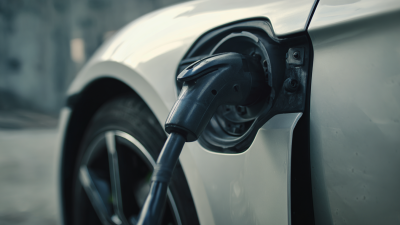
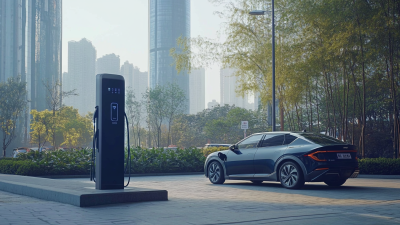
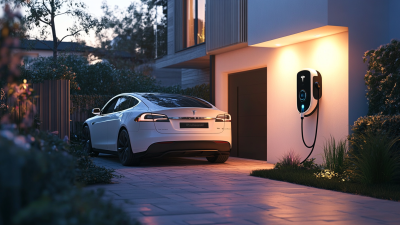
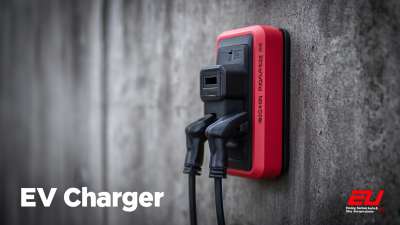
Lately, we've seen a big surge in electric vehicle (EV) adoption, which has really shaken up how folks are thinking about charging stations. These chargers aren’t just about topping up your car anymore—they’re about making the process quicker, easier, and more accessible. According to the International Energy Agency, by 2030, there could be over 145 million EVs out there on the roads. Crazy, right? That’s why having a variety of charging options is becoming more and more important. At TONGXING NEW ENERGY TECHNOLOGY CO., LTD., they’ve got a lineup that’s pretty impressive—from small 3.5kW chargers perfect for home use to massive 720kW ultra-fast stations designed for industrial needs. And here’s the cool part: combining these chargers with solar panels and energy storagemakes the whole system even more efficient and eco-friendly, which totally aligns with the shift toward greener transportation. Picking the right Ev Charger isn’t just about speed—it’s about ensuring your car charges smoothly, minimizing downtime, and making the whole experience seamless. As the EV world keeps evolving, it’s more important than ever to get the right equipment that fits your needs and helps you stay on top of the game.
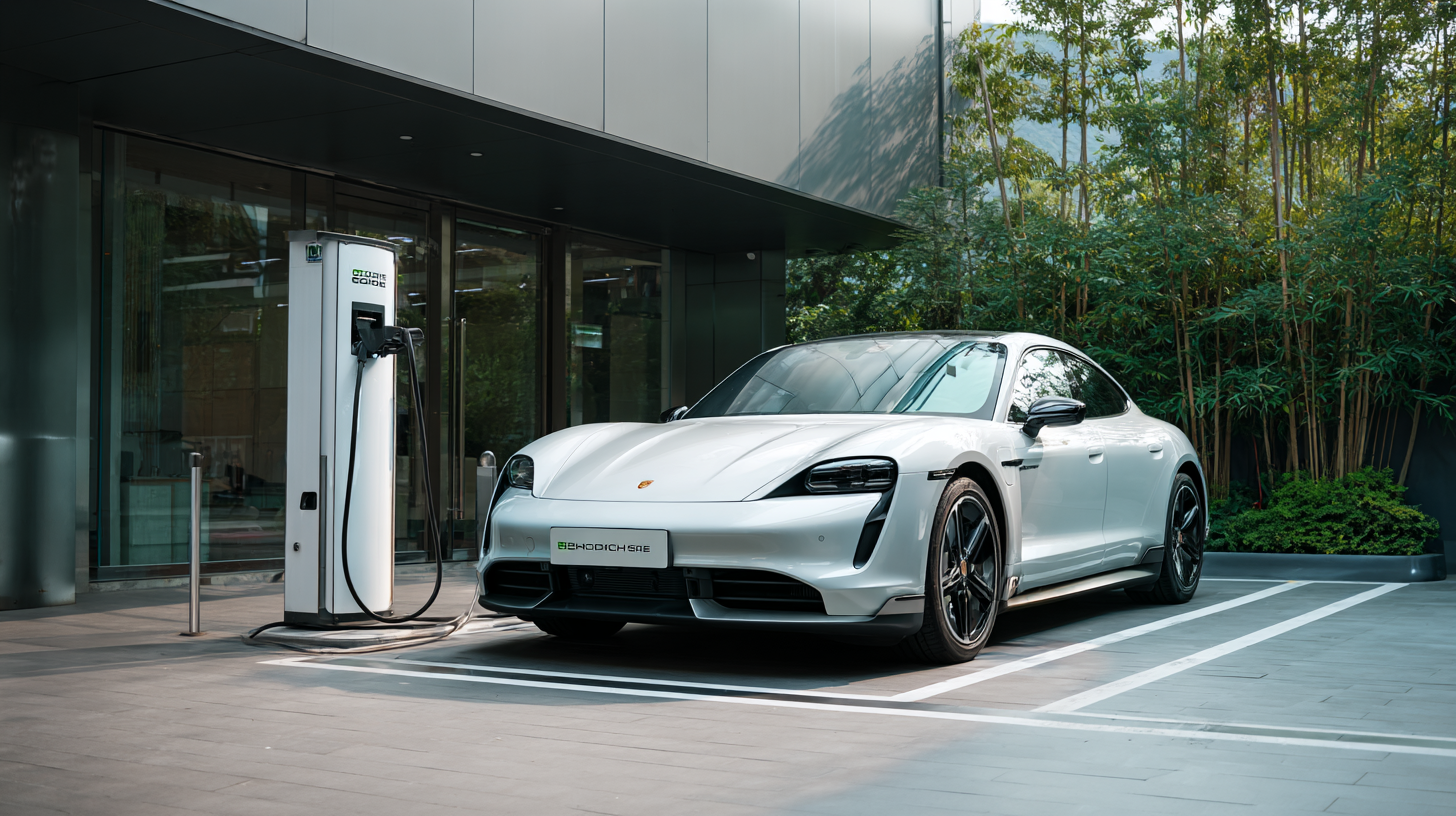
Understanding Different Types of Electric Vehicle Chargers Available in the Market
So, you're thinking about getting an electric vehicle (EV) charger? That’s a smart move, but it can feel kinda overwhelming with all the options out there. Basically, there are three main types: Level 1, Level 2, and Level 3, which many folks call Dc Fast Chargers. Level 1 chargers are the simplest—they use a regular ol’ household outlet and usually give you about3 to 5 miles of range for every hour you plug in. If you’re after faster charging, Level 2 chargers are your friends. You’ll find these in many public stations and some homes, and they can add anywhere from 10 up to 60 miles of rangeper hour—perfect if you need to top up quickly before hitting the road. Then there’s the DC fast chargers, which are booming right now, mainly because more people are jumping into EVs and there’s a big push toward cleaner energy. Industry reports say the global market for these fast chargers could skyrocket by 2032, reaching into the millions. These Level 3 Chargers can give youup to 100 miles of range in just about 30 minutes—super handy when you’re in a rush. If you’re trying to figure out what’s best for you, understanding how much power a charger provides can really help you get the most out of your charging trips and fit it into your driving routine easily.
Evaluating Charging Speed: AC vs. DC Chargers Explained
When you're dealing with charging your electric vehicle (EV), it’s pretty important to get a handle on the difference between AC (Alternating Current) and DC (Direct Current) chargers. It can actually make a big difference in how quickly your car gets charged. So, AC chargers—these are the ones you mostly see at home or in public stations—they tend to charge your car a little slower. According to the folks at the U.S. Department of Energy, a standard Level 2 AC charger can give you about 10 to 30 miles of range per hour, which is perfect if you’re just plugging in overnight.
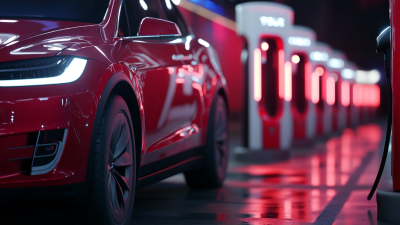
On the flip side, DC fast chargers are a whole different ball game. They pack a punch, delivering over 150 kW of power—meaning you can top up about 80% of your battery in just 20 to 30 minutes. That’s pretty impressive, right? Whether you go with AC or DC really depends on your driving style and how easily you can access charging stations. If you mostly charge your car at home, an AC charger might do the trick for you. But if you’re someone who goes on long trips or needs a quick top-up while on the road, then a DC fast charger is definitely the way to go.
A quick tip: When choosing your charger, think about how much you drive daily and how often you’ll need to charge. If you’re always on the go for long distances, spending a bit more on a DC fast charger could really make your life easier. And don’t forget to double-check if your vehicle can actually use the charger—that way, you’re making sure you get the most out of your setup.
Key Features to Look for in a Home Electric Vehicle Charger
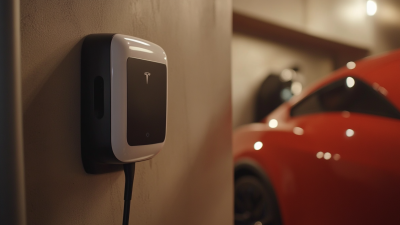
So, when you're picking out a home Electric Vehicle Charger, there are a few key features you really want to pay attention to—stuff that can make a big difference in how efficiently your car charges. One of the biggest factors is how much power the charger puts out, which is usually measured in kilowatts (kW). According to the folks over at the U.S. Department of Energy, most Level 2 chargers sit somewhere between 3.7 kW and 22 kW. That’s a pretty nice jump from the Level 1 chargers, which typically only deliver about 1.3 kW. For example, a 7.2 kW charger can top off a Nissan Leaf in around 8 hours, whereas a 22 kW charger might do it in just over 2 hours—talk about saving time, right?
Another thing to keep an eye on is smart tech. These days, many chargers come with Wi-Fi or Bluetooth built right in. That means you can connect to them via a smartphone app, check on your charging status, or even control it remotely. Pretty handy if you ask me! Plus, these features give you insights into your energy use and let you schedule charges during off-peak hours, which can help save some cash. The International Energy Agency even points out that smart charging can help make the whole grid more efficient and cut down costs for folks like us.
**Tip 1:** Make sure to check your home’s electrical capacity and installation needs first—you don’t wanna get a charger that forces you to do costly upgrades.
**Tip 2:** Double-check that the charger you pick is compatible with your car’s charging standards. No point getting something that doesn’t really work with your ride!
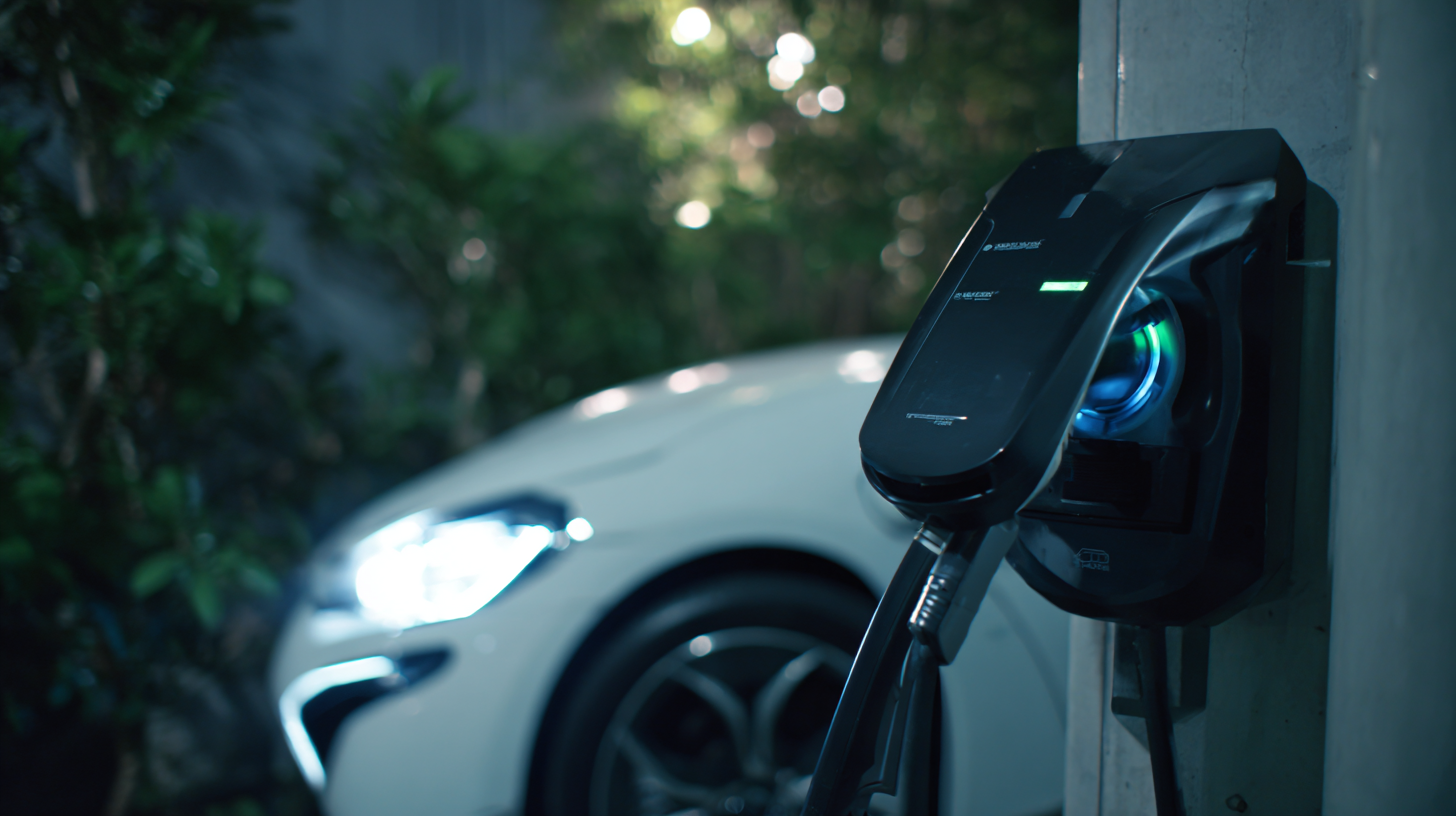
Assessing Your Vehicle's Compatibility with Charger Types
When you're picking out an electric vehicle (EV) charger, it really pays to understand what kind of charger your car supports. Most EVs are compatible with one of three main charging standards: Level 1, Level 2, and DC fast charging. For example, Level 1 chargers are pretty basic—they plug into regular household outlets and are kinda slow, making them perfect for overnight top-ups. On the flip side, Level 2 chargers charge faster, so they’re great for either your home or public stations when you’re in a bit of a hurry. And then you've got DC fast chargers—these are the rapid chargers suited for long trips, but keep in mind, they’re not always around the corner everywhere.
**Tip:** Before you go out and buy anything, it’s smart to check your vehicle’s specs first—see which charging types it actually supports. To get the most out of your charger and your driving routine, pick one that matches how much you drive each day. Oh, and don’t forget about the plug types—lots of EVs use either Type 1 or Type 2 plugs. If your charger and car don’t match up, grabbing an adapter might be a good idea.
And one more thing—if you’re eyeing a Level 2 charger for home, make sure to look into what’s involved with installing it. Some houses might need electrical upgrades, especially if you’re moving to higher voltage setups. It’s often worth chatting with a professional electrician just to avoid any surprises. Doing this can make charging smoother, save you time, and even help your battery stay happy and healthy longer in the long run.
How to Choose the Right Electric Vehicle Charger for Optimal Charging Efficiency - Assessing Your Vehicle's Compatibility with Charger Types
| Charger Type | Power Output (kW) | Charging Time (0-100%) | Vehicle Compatibility | Best Use Case |
| Level 1 Charger | 1.4 - 2.4 | 8-20 hours | All EVs | Home charging, overnight |
| Level 2 Charger | 3.8 - 19.2 | 4-10 hours | Most EVs | Home and public charging |
| DC Fast Charger | 50 - 350 | 30 min - 1 hour | Select EVs | Long-distance travel |
| Wireless Charger | 3 - 20 | Varies | Future EVs | Convenience |
Considering Installation Requirements for Optimal Charger Placement
When you're choosing an electric vehicle (EV) charger, one of the most important things to think about is the installation requirements. This is really key to making sure you place your charger in the best spot and get the most out of it. First off, you’ll want to check out your electrical supply at home. Chargers come with different power levels, so understanding what your home's electrical system can handle is crucial. It’ll help you pick a charger that fits without overloading your circuits. If you're unsure, chatting with a licensed electrician can be a big help—they can tell you if your current setup can support a Level 2 charger, which usually needs a dedicated circuit.
Then there's the actual location where you’ll put the charger. Ideally, it should be easy to access, especially near your parking spot, so plugging in is hassle-free. Keeping the charger close to where your car parks means shorter cables and less chance of voltage drops. Plus, it’s good idea to think about weather protection—installing on a wall or a sturdy support can really extend its lifespan and keep everything running smoothly. Taking a little time to plan all this will not only make charging more efficient but also make your whole EV experience way better—more convenient and less of a headache.
Charging Efficiency of Different Electric Vehicle Charger Types
The chart below illustrates the charging efficiency of various types of electric vehicle chargers. The data represents the average charging times in hours, showcasing the differences in efficiency based on charger type.
Cost-Effectiveness: Balancing Initial Investment with Long-Term Savings
When you're choosing an electric vehicle (EV) charger, one of the most important things to think about is how cost-effective it is. I mean, the upfront price for a charger can really vary, so it's smart to look beyond just the initial cost and consider what you'll save in the long run by using an efficient charger. Sure, opting for a high-quality one might be more expensive upfront, but it usually means faster charging, better energy management, and it’ll probably last longer. All those perks can add up to lower electricity bills and fewer repairs or replacements down the road.
Also, don’t forget to check out any local incentives or rebates. A lot of governments and utility companies offer financial help to make installing a home charger more affordable. Plus, if you go for a smart charger that has monitoring and scheduling features, you can really optimize when you charge, which can cut your electricity costs even more. Overall, taking a step back to look at both the initial cost and the long-term benefits helps you make a smart decision — one that fits your budget and your eco-friendly goals at the same time.
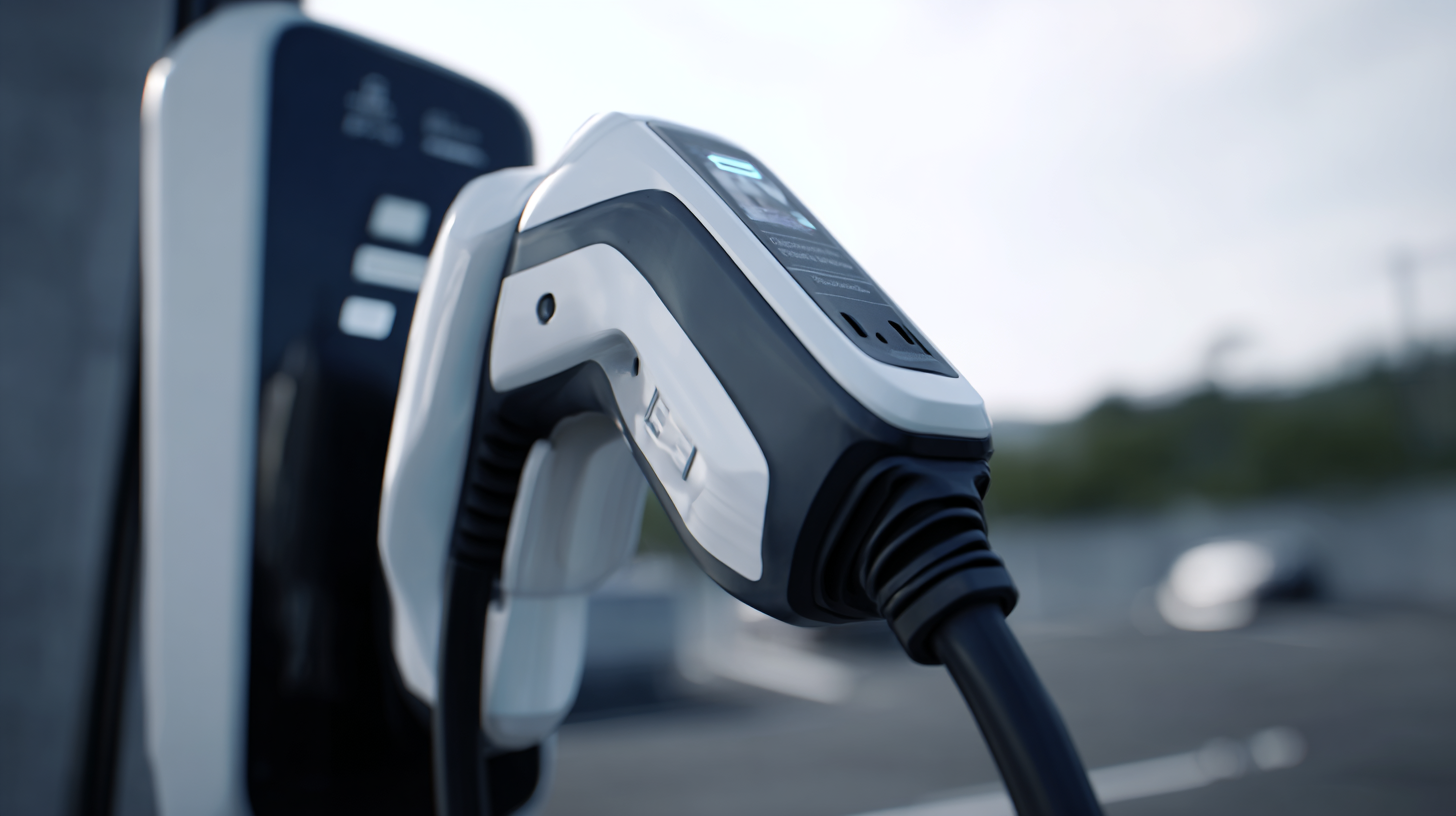
Advancements in EV Charging Infrastructure: Analyzing the 2023 Market Trends for 7-22KW Wallbox Solutions
The rapid advancements in electric vehicle (EV) charging infrastructure have become a focal point in the 2023 market, particularly with the rise of 7-22 kW wallbox solutions. One of the standout technological features in this domain is the Dynamic Load Balancing (DLB) function, which is essential for enhancing both safety and efficiency in home charging setups. With households increasingly reliant on multiple electric appliances, the DLB box ensures that charging does not lead to overloads by intelligently managing the total household current.
The DLB box operates by allowing users to set a maximum current value for the main line. This data is then used by the charger to automatically adjust the charging current within a range of 6A to 32A, based on the current load of other appliances. This innovative capability not only safeguards against potential electrical issues but also optimizes the use of existing power resources, negating the need for costly upgrades to home electrical systems. By preventing overload, the DLB function exemplifies how modern technology can make EV charging both compliant and convenient in everyday domestic environments.
As the market for EV charging solutions continues to expand, incorporating features such as Dynamic Load Balancing will be crucial for ensuring that these installations can coexist with current household demands. This integration promises to enhance user experience, paving the way for more families to adopt electric vehicles without the fear of compromising their power needs.
FAQS
: The main types of EV chargers are Level 1, Level 2, and DC fast charging. Level 1 chargers use standard household outlets, Level 2 chargers provide faster charging, and DC fast chargers enable rapid charging for long trips.
Check your vehicle’s specifications to determine which charging types it supports and consider your driving habits and daily mileage for optimal performance.
Many electric vehicles use either Type 1 or Type 2 plugs, so you may need to invest in an adapter if your charger and vehicle do not match.
You should assess your home's electrical capabilities as Level 2 chargers may require electrical upgrades and a dedicated circuit. Consulting a professional electrician is recommended.
The ideal location for an EV charger is close to your parking area for easy access and minimal cable length, considering also weather protection and proper mounting for efficiency.
Understanding your home’s electrical capabilities helps you choose a compatible charger that can deliver the necessary power without overloading the circuit.
Proper placement, weather protection, and secure mounting of the charger will enhance its longevity and charging efficiency.
Yes, selecting an incompatible charger can impact charging efficiency and potentially reduce the lifespan of your vehicle's battery.
A certified electrician can provide insights into your existing electrical system’s capabilities and ensure that the installation of the charger meets safety and performance standards.
Conclusion
So, when you're trying to pick the right electric vehicle charger, it's really important to get a good handle on the different types out there. You know, like AC versus DC chargers — they vary a lot when it comes to how fast they charge. If you're looking for something for your home, you'd want a charger that’s smart, compatible with your specific vehicle, and easy to install in the right spot. Don’t forget, it’s worth thinking about the long-term savings too—making sure your investment pays off over time is key.
Here at TONGXING NEW ENERGY TECHNOLOGY CO., LTD., we’ve got a whole range of chargers to suit all kinds of needs. Whether you’re after a simple 3.5kW model for home use or an ultra-fast 720kW industrial-grade charger, we’ve got you covered. Plus, our chargers can be paired up with solar power setups and energy storage systems, so you get a flexible, efficient charging solution that fits your lifestyle or business perfectly.