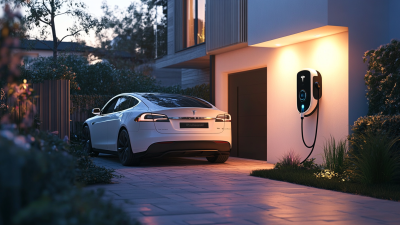
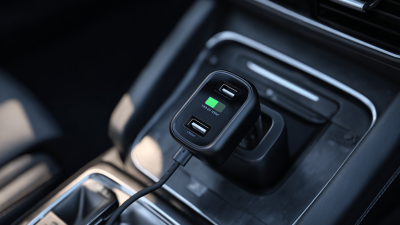
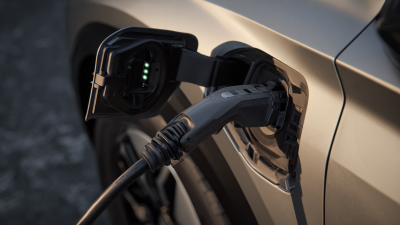
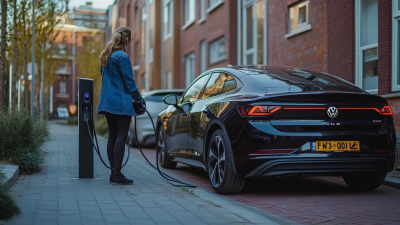
Nowadays, as electric vehicles (EVs) are really catching on in the car world, everyone’s talking about finding efficient and dependable fast chargers. Did you know that, according to a recent IEA report, there were over 1.3 million Public Ev Chargersaround the globe in 2020? And a big chunk of that was fast chargers, which are super important. Picking the right Car Fast Charger isn’t just a minor detail—it really matters whether you're charging at home or running a business. It affects how fast your car gets charged, how smoothly everything works, and how good your overall experience is.
TONGXING NEW ENERGY is offering a wide range of options—from smaller 3.5 kW chargers you’d use at home, all the way up to massive 720 kW ultra-fast stations designed for busy charging hubs. Plus, they’ve got cool integrated solar and energy storage solutions, so EV owners can find just the right setup to fit their needs. All this helps push us further into a more sustainable energy future, one charge at a time.
Understanding the Different Types of Fast Chargers for EVs
When you're trying to pick the right fast charger for your electric vehicle (EV), it really helps to understand the different types out there. Basically, there are three main kinds: Level 1, Level 2, and Dc Fast Chargers. Level 1 chargers are the slowest — they usually just plug into a standard outlet at home and are perfect if you’re charging overnight. Then there’s Level 2, which is more common, often found at home or public stations, and gives you a quicker boost, so you don’t have to wait as long during your day-to-day errands. But honestly, the real game-changer is theDC Fast Charger — these can fill up your EV in like, just 30 minutes! It’s pretty impressive.
Looking at the U.S. right now, there’s a real push to add more of these DC Fast Chargers, especially with so many new EVs hitting the road. The tech is moving fast, but unfortunately, the infrastructure isn’t growing as quickly, which makes it tough sometimes to find accessible chargers, especially at public stations. A bunch of companies are scrambling to build out this essential network — it’s a big deal for encouraging cleaner travel and meeting what drivers really want. So, understanding these options and how the Charging Infrastructure works can really help you makesmarter choices about how to keep your EV charged up whenever you need it.
Key Specifications to Consider When Choosing an EV Fast Charger
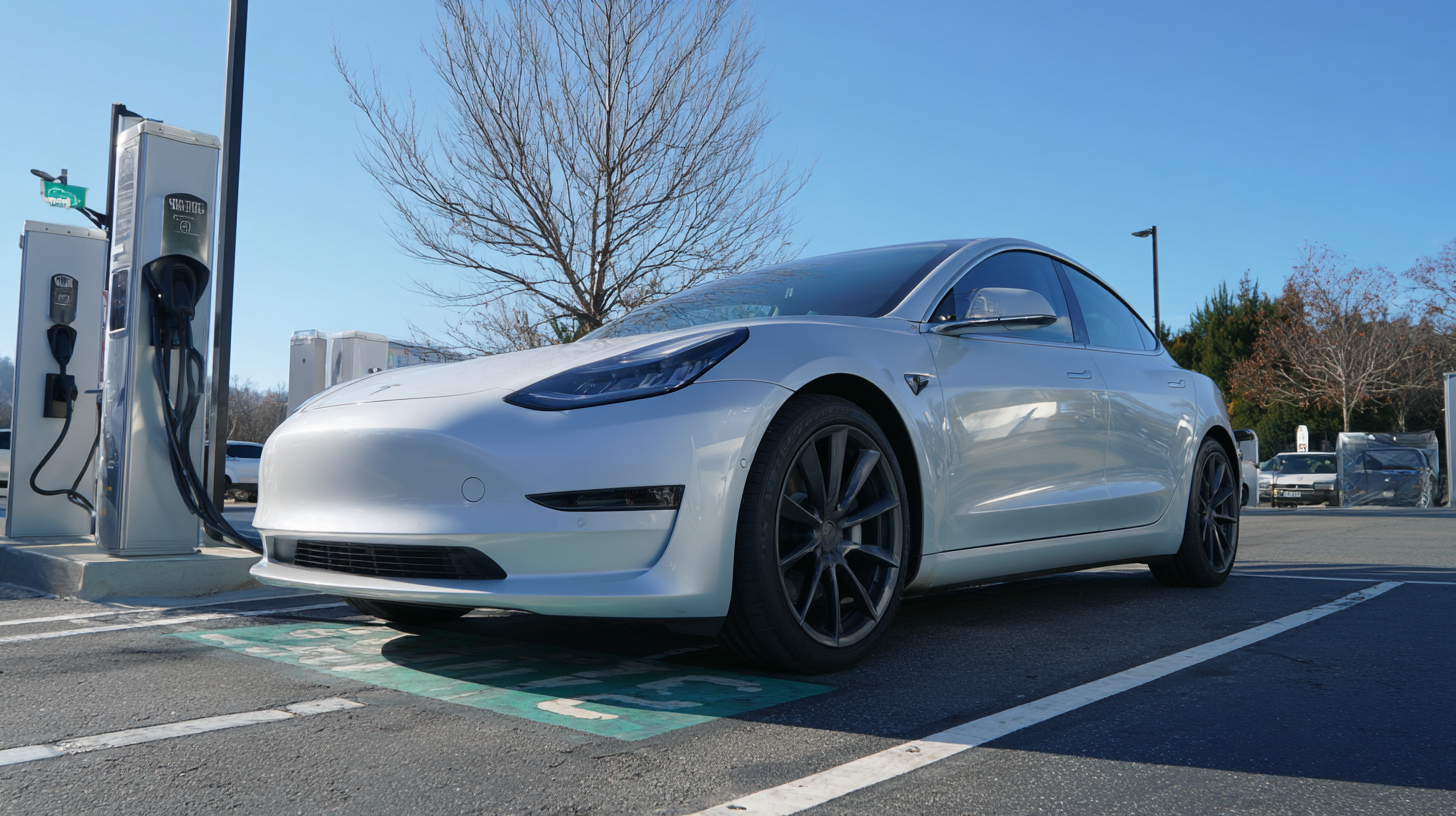 Hey there! Picking out the right fast charger for your electric vehicle isn’t something to take lightly. You’ll want to get a good grasp of the key specs so you can make sure your car charges quickly and smoothly. A good starting point is looking at the charging speed, which is usually measured in kilowatts, or kW for short. Different EVs have their own max charging limits, so it’s important to find a charger that matches up without overdoing it. For example, a Level 2 charger typically puts out anywhere from 7 to 22 kW, while those speedy DC fast chargers can go 50 kW or even more—meaning less time plugged in, more time on the road!
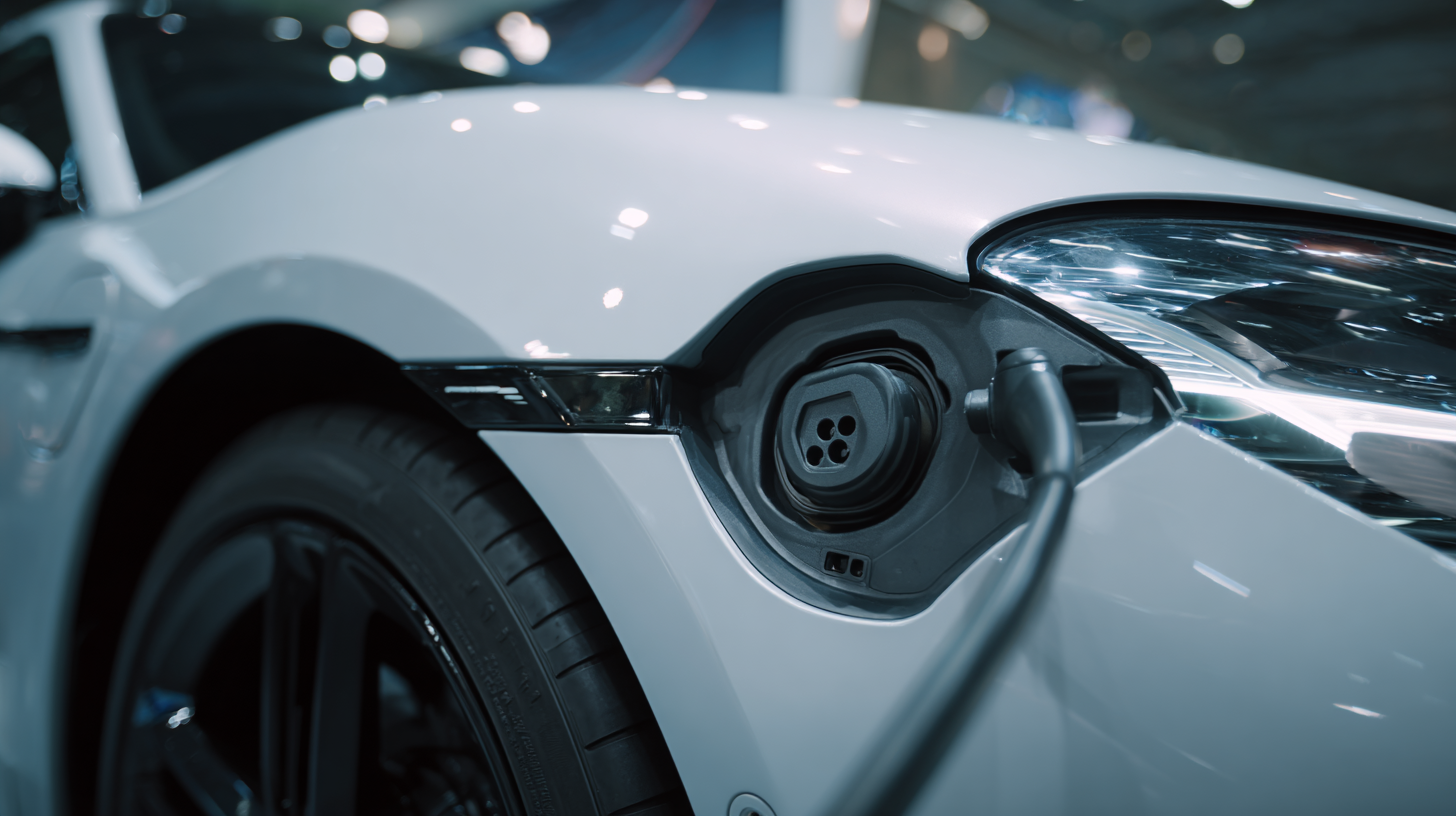
Another thing to keep in mind is the connector type. This needs to match what your EV supports. Usually, you’ll find Type 1 (J1772) and Type 2 (Mennekes) for regular AC charging, but for faster charging, CCS and CHAdeMO are pretty common. Making sure they’re compatible means no annoying delays when you’re trying to juice up. Oh, and don’t forget to check out features like smart charging options or safety features built into the charger—these can be a real lifesaver, preventing overloads and making your charging experience much more convenient. Once you keep these specs in mind, it’s easier to pick a charger that fits your needs perfectly and gets you back on the road in no time.
Comparative Analysis of Level 2 vs. DC Fast Charging Options
Whenever you're dealing with charging your electric vehicle (EV), it’s really useful to get the hang of the differences between Level 2 chargers and DC fast chargers. Basically, Level 2 chargers run at around 240 volts and can give you anywhere from 3.3 kW up to about 19.2 kW. So, while they’re definitely faster than plugging into a standard home outlet, you might still be looking at a few hours—possibly overnight—especially if you're charging at home or somewhere where you can leave your car parked for a while. That makes them pretty handy for everyday use and situations where your vehicle doesn’t need to be ready in a hurry.
Now, DC fast chargers are a whole different ballgame. They use direct current to push power much faster—think anywhere from 50 kW up to 350 kW. That means you can get to around 80% charge in roughly 30 minutes, which is pretty impressive. These are usually found at public charging stations, perfect if you’re on a road trip or just need a quick top-up when you’re short on time.
Here’s a little tip: think about your charging habits and where you usually do it. If most of your charging happens at home and you’re okay with a longer wait, a Level 2 charger is probably enough. But if you’re often on the go, traveling long distances, or you just hate waiting, jumping for a DC fast charger might be the smarter move. Oh, and don’t forget to double-check if your EV plays nice with the chargers available—makes sure you get the most out of your setup!
Comparison of Level 2 and DC Fast Charging for Electric Vehicles
Evaluating Charging Speed: What Does kW Mean for Your EV?
When you're trying to pick the right fast charger for your electric vehicle, understanding how quickly it charges is pretty important — and kilowatts (kW) are a good way to gauge that. Basically, the higher the kW number, the faster your car will fill up. For example, chargers that push out 400 kW can really cut down your charging time, which is awesome if you're on a long road trip or running a fleet of vehicles. Not only does this make things more convenient, but it also helps you get more out of your EV overall.
As EV tech keeps evolving, we're also seeing a bigger focus on pairing fast chargers with renewable energy sources—think solar panels and wind power. Cities are pushing to cut down greenhouse gases, so having fast chargers that work seamlessly with clean energy sources seems like the way forward. Of course, as these charging systems get more advanced, there are new things to think about—like safety checks and electromagnetic field assessments—to make sure everything's running smoothly and securely. As more folks jump into electric vehicles, getting a clear understanding of these aspects will really help you choose the right charging setup that fits your needs best.
How to Choose the Right Car Fast Charger for Your Electric Vehicle Needs - Evaluating Charging Speed: What Does kW Mean for Your EV?
| Charger Type | Charging Speed (kW) | Range per Hour (miles) | Ideal Use Case | Typical Cost |
| Level 1 Charger | 1.4 kW | 4-5 miles | Home Charging | $300 - $600 |
| Level 2 Charger | 3.8 - 22 kW | 10-60 miles | Home or Public Charging | $500 - $1,500 |
| DC Fast Charger | 50 - 350 kW | 100-300 miles | Highway and Quick Stops | $10,000 - $40,000 |
| Tesla Supercharger | 120 - 250 kW | 150-300 miles | Long Distance Travel | Variable, depending on usage |
Safety Standards and Certifications for Electric Vehicle Chargers
Picking out the right electric vehicle (EV) charger can feel a bit overwhelming, but here’s a good rule of thumb: understanding safety standards and certifications is key to making sure you’re getting reliable equipment and staying safe. Two big names you’ll hear about are the International Electrotechnical Commission (IEC) and Underwriters Laboratories (UL). They set the safety rules that most chargers follow. For example, a study by the IEEE (that’s the Institute of Electrical and Electronics Engineers) shows that chargers built to these standards seriously cut down on electrical risks and fire hazards — in fact, following these guidelines can lower failure rates by around 30%. Pretty impressive, right?
When you're choosing a charger, a couple of things to keep in mind: First off, always go for one that's certified by reputable safety groups. That’s your best bet for making sure it meets all the safety standards. Next, think about how fast the charger can deliver power. Market trends suggest that regular home chargers usually fall between 3.5kW and 22kW, while the faster, more powerful chargers—like the ones used commercially—can go up to 720kW. Companies like TONGXING NEW ENERGY TECHNOLOGY CO., LTD. are offering a bunch of options in this space.
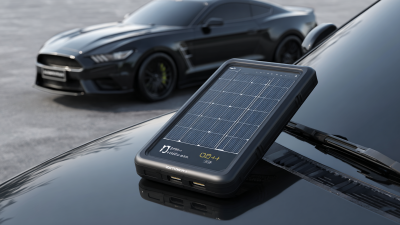
Oh, and here's an added bonus: check if the charger has built-in support for solar panels (PV) and energy storage. It might seem like a small detail, but it actually boosts energy efficiency and can help you save on operating costs over time. Some recent reports say that adding these features can bump up your savings by as much as 20%. Whether it’s for your home or for a business, this could be a really smart move to make your EV charging setup more cost-effective and eco-friendly.
Cost Considerations: Initial Investment vs. Long-Term Savings of Fast Chargers
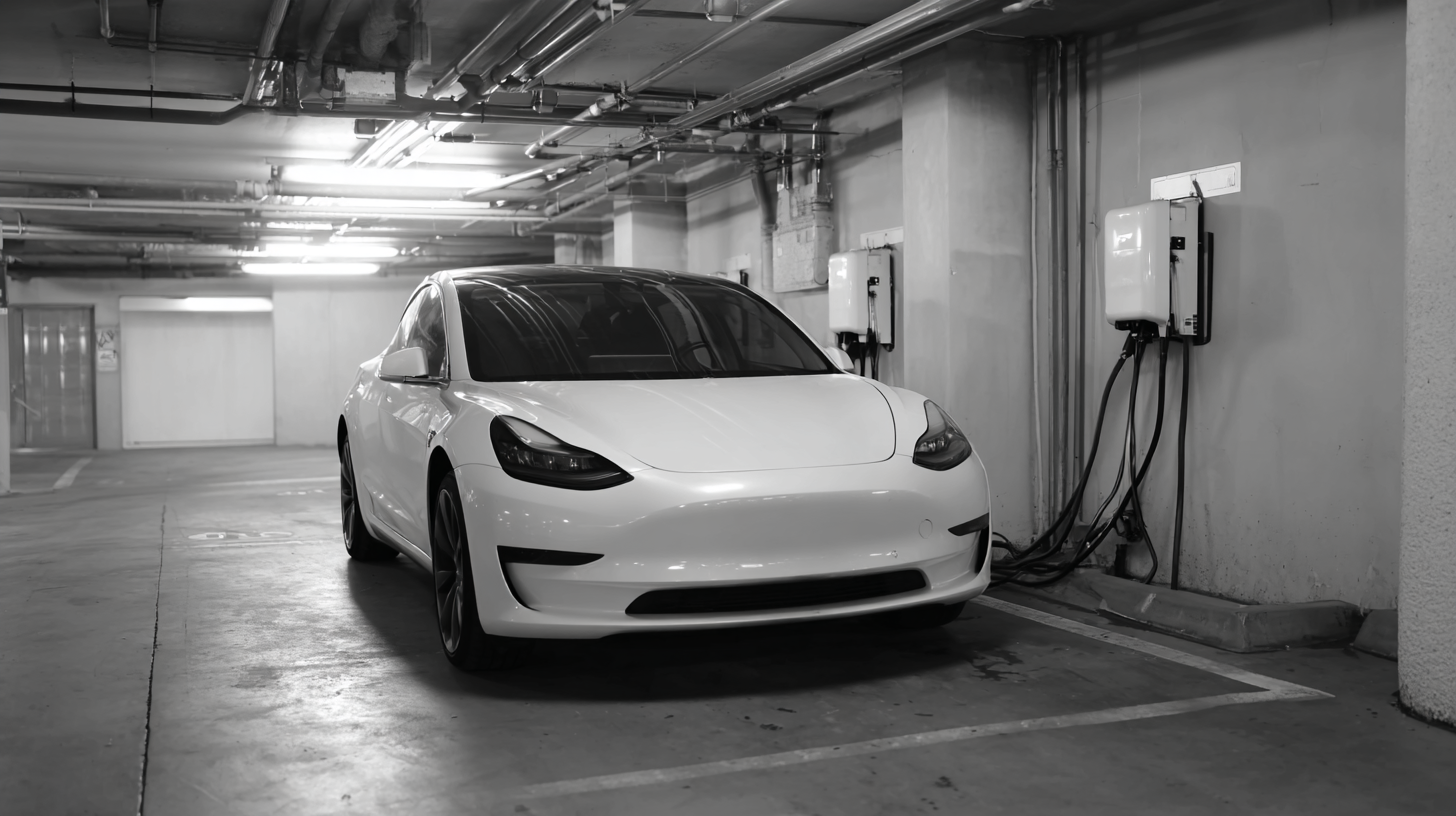
Thinking about getting a fast charger for your EV? It’s definitely worth weighing the initial cost against what you might save in the long run. Sure, fast chargers tend to be pricier upfront than the standard ones, but they make a huge difference by cutting down your charging time. That means less waiting around and more convenience — perfect if you're always on the go or doing longer trips. Plus, being able to quickly top up your car during short stops can be a real game-changer for commuters and road trip enthusiasts alike.
Now, it’s not just about the charger itself. When you add up the ongoing costs, charging your medium-sized electric car at home tends to be about half the price of fueling a similar petrol car. That’s a pretty big savings over time! And recent numbers show that average charging costs around the country are pretty competitive too. So, investing in a fast charger not only makes your daily drives easier but also helps you save on fuel costs in the long run. All in all, it’s a smart move financially — and seriously, it just makes driving an EV that much more convenient.
Revolutionizing Eco-Friendly Travel: The Ultimate Guide to the 7kW EV Charger for High Power Vertical Charging Solutions
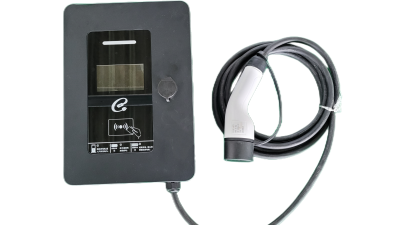
In the realm of eco-friendly travel, the transition to electric vehicles (EVs) has never been more pivotal. The Ovrod EV Charger stands at the forefront of this revolution, offering a high power vertical charging solution that meets the demands of modern EV users. With supported functions like a display screen, indicator lights, card swiping, and Bluetooth connectivity, it enhances the charging experience, making it seamless for users. Whether you own a Tesla, Ford, GM, or multiple brands, the charger’s compatibility with the IEC 61851 Type 2 and J1772 connector ensures hassle-free charging for almost all electric vehicles.
Safety is paramount, and the Ovrod EV Charger is designed with multiple protection features such as Under Voltage, Over Voltage, Overload, and Over-Temp protection. These features not only safeguard the charger but also the vehicle, giving users peace of mind during every charging session. Additionally, its adaptability to various power outputs—16A, 32A, or 48A—means that whether you’re at an urban charging station or a commercial parking lot, you can expect a fast, safe, and convenient charging experience. As we embrace the future of sustainable travel, investing in effective charging solutions like the Ovrod EV Charger becomes a crucial step towards a greener planet.
FAQS
: The three primary types of EV chargers are Level 1, Level 2, and DC Fast Chargers. Level 1 chargers are the slowest and use a standard home outlet, suitable for overnight charging. Level 2 chargers are faster and more common for both home and public charging stations, while DC Fast Chargers can charge an EV in as little as 30 minutes.
Charging speed is measured in kilowatts (kW), with a higher kW rating indicating faster charging. Chargers that deliver a higher kW output, such as 400 kW, can significantly reduce charging times, making them ideal for long trips or fleet operations.
As the number of electric vehicles on the road increases, there is a growing demand for DC Fast Chargers to support these vehicles. However, the growth of charging infrastructure has not kept pace with EV adoption, leading to challenges in accessibility and profitability for public charging stations.
Many companies are working to build out the essential network of fast chargers, which is crucial for promoting cleaner transportation and meeting the increasing consumer demand for electric vehicle charging solutions.
The integration of renewable energy sources, such as solar and wind, is becoming increasingly important as cities aim to meet greenhouse gas reduction goals. Fast charging stations compatible with sustainable energy systems represent a promising trend in the evolution of EV charging.
Yes, advancements in charging technology also require new considerations regarding safety, including assessments of electromagnetic fields to ensure a reliable and secure charging environment.
The future trend includes the development of fast charging stations that are integrated with renewable energy sources, enhancing sustainability while meeting the growing demand for electric vehicle charging.
When selecting a fast charger, consider the type of charger (Level 1, Level 2, or DC Fast Charger), its kilowatt rating for charging speed, compatibility with your vehicle, and the availability of charging infrastructure in your area.
Fast chargers reduce charging time, enhancing convenience and enabling electric vehicle users to charge their vehicles quickly, which in turn improves the overall efficiency of EV usage in various scenarios.
Public charging stations face challenges related to accessibility and profitability, as rapid advancements in charging technology are outpacing the growth of the necessary infrastructure to support electric vehicles.
Conclusion
When you're trying to pick out the perfect fast charger for your electric vehicle, it’s really helpful to get a good grasp of the different kinds out there. You've got your Level 2 chargers and then the more powerful DC fast chargers, each one bringing its own perks depending on how quickly you need to charge and what your setup is like. Important things like power output (measured in kW), safety standards, and certifications should definitely be part of your decision process. Oh, and don’t forget to consider how fast each charger really is — thinking about the long-term savings and what kind of investment you’re making can make a big difference too.
At TONGXING NEW ENERGY TECHNOLOGY CO., LTD., we have a wide range of options to suit just about any need — from small, 3.5kW chargers for home use to massive 720kW ultra-fast charging stations for industrial setups. Our products are designed to be flexible, often integrating solar and energy storage systems, so you can find a reliable and efficient Car Fast Charger that fits your specific needs without any hassle.